Business
Substandard-quality cooking utensils will not be allowed to be sold during Diwali and Dhanteras; BIS hallmarking is now mandatory..
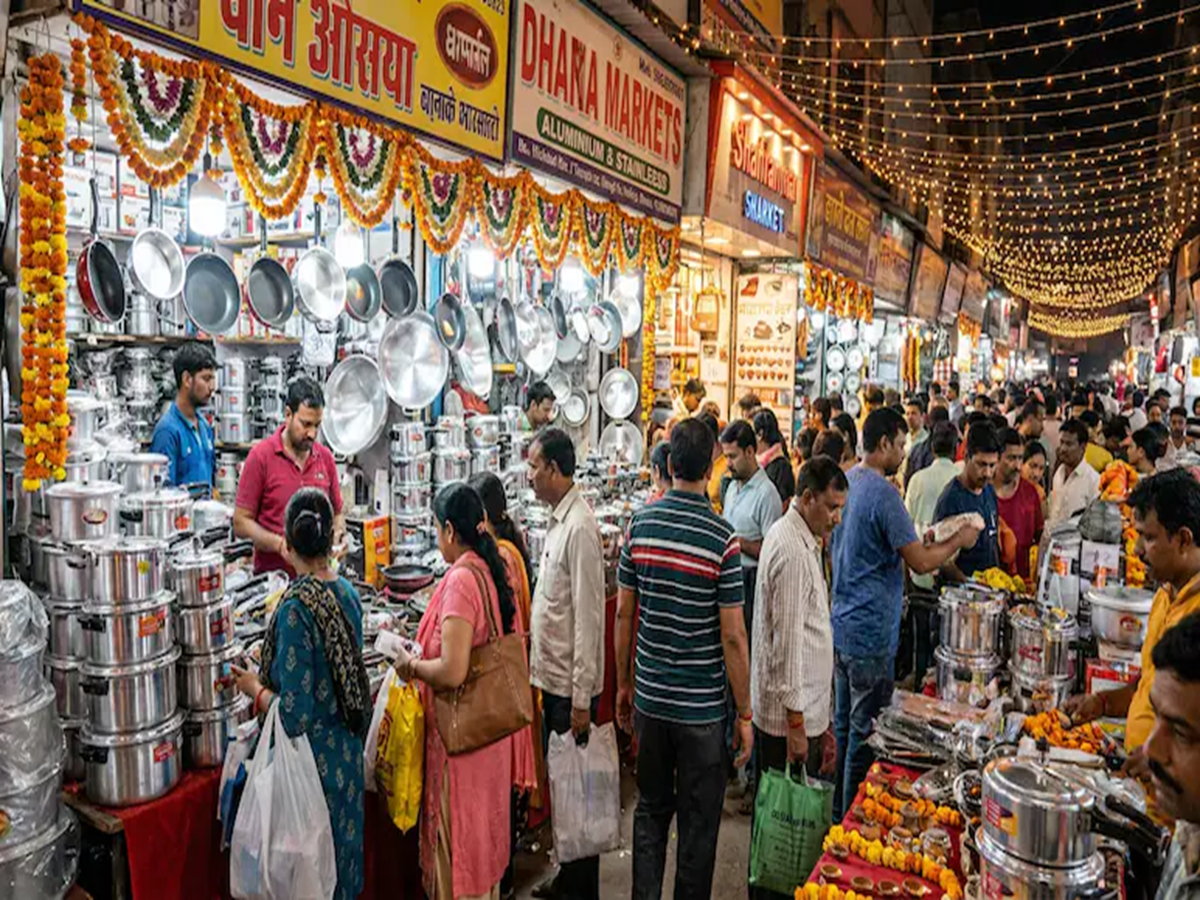
The central government has made the BIS (Bureau of Indian Standards) mark mandatory for cooking utensils and aluminum vessels, issuing a new Quality Control Order to this effect. This BIS standard applies—with immediate effect—to aluminum utensils as well as beverage cans. While the rule came into effect for large-scale industries on April 1, it was scheduled to become applicable to small-scale industries starting October 1. Any violation of these standards will now invite action under the BIS Act.
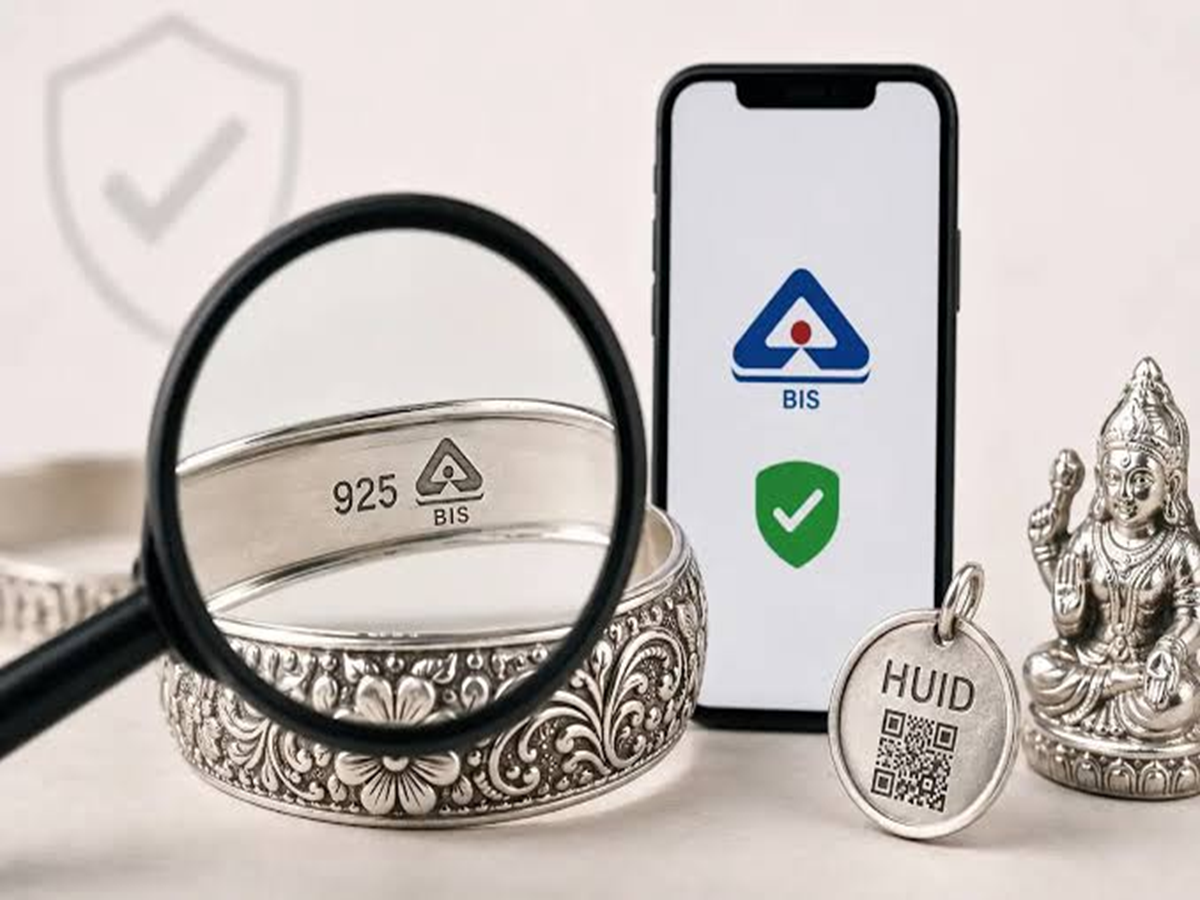
During the festivals of Diwali and Dhanteras, there is a surge in the sale of utensils across North India, including in Delhi and Uttar Pradesh; purchasing utensils on Dhanteras, in particular, is considered auspicious. Often, low-quality utensils are offloaded into the market during this period. To address this, the government has taken a strict stance by mandating the BIS mark. Concerns have frequently been raised regarding the health risks posed by utensils manufactured using inferior-quality aluminum or mixtures of various metals.
**Mandatory BIS Hallmark**
The government has made the Bureau of Indian Standards (BIS) hallmark mandatory for cookware and aluminum utensils, implementing this under the 'Cooking Utensils and Tiffin Quality Control Order'. The BIS mark will serve to verify whether the aluminum and other metals used in the manufacturing of these utensils are harmful. This ensures that consumers receive better-quality products.
**Crackdown on Low-Quality Utensils**
The sale of utensils made from substandard or adulterated metals will be curbed. Products bearing the BIS mark will be more durable and reliable, ensuring that public health is not compromised. However, traders point out that the requirement for certification and the use of higher-quality raw materials may lead to increased production costs, potentially making aluminum utensils more expensive.
**Penalties for Non-Compliance**
Industry associations and the government maintain that manufacturers are already adhering to these quality standards. The market race driven by inferior and cheap products will come to an end, which will, in turn, boost the demand for high-quality goods. Micro and small-scale enterprises may face challenges such as obtaining a BIS license, undergoing factory audits, and conducting laboratory testing of their products; the government had previously granted them a grace period to prepare. These regulations apply exclusively to products sold within the domestic market; utensils intended for export are exempt. Should any utensil manufacturer or retailer be found selling products without the BIS mark, legal action will be initiated under the Bureau of Indian Standards Act, 2016.
PC Social Media