
LIFESTYLE
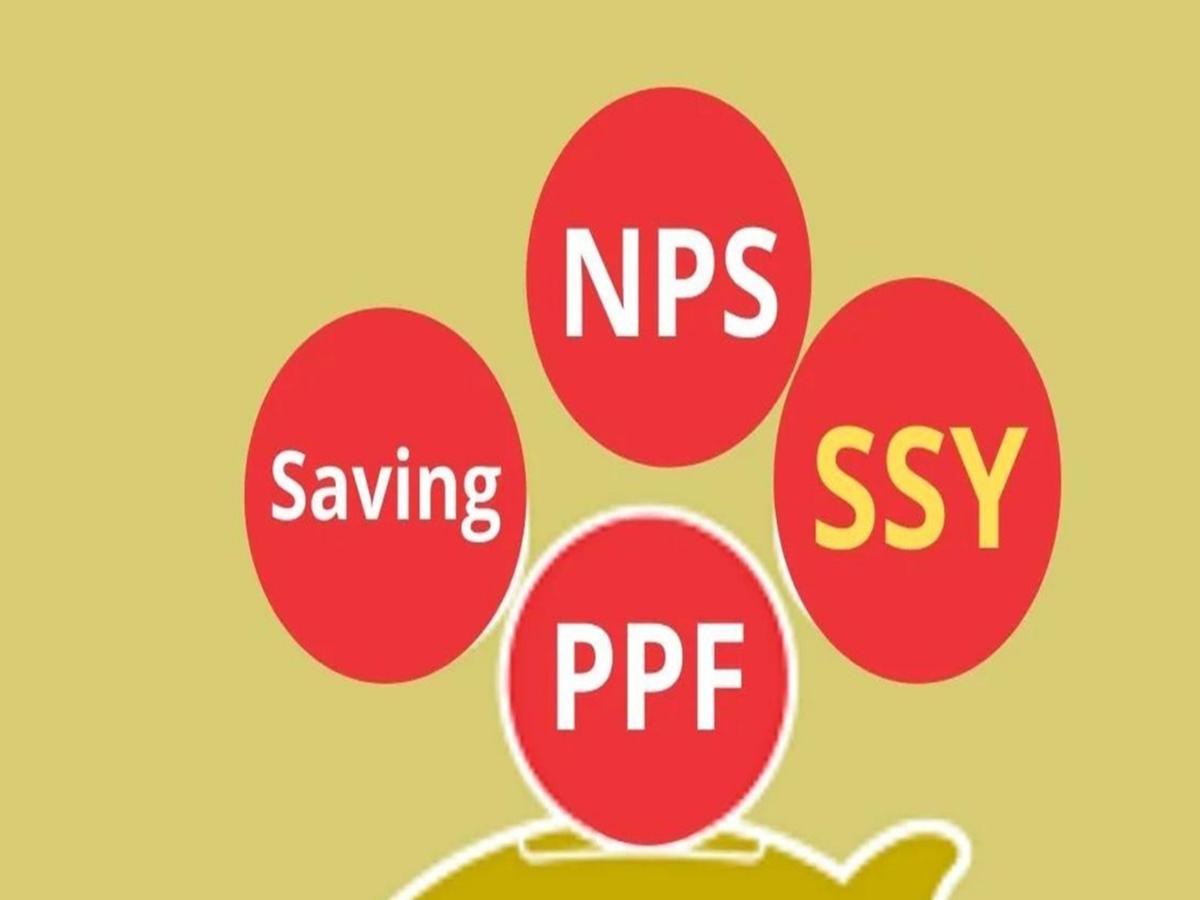
If you need last-minute tax planning, make significant savings with PPF, SSY, and NPS; here's how you'll benefit..

If you're planning your year-end tax return, this month is ideal. During this time, you can invest in the Public Provident Fund (PPF), Sukanya Samriddhi Yojana (SSY), and the National Pension System (NPS), both to accumulate wealth for the future and to plan for your tax savings. Let's find out how and how much tax you can save.
How much will you save in PPF?
Investing in PPF can easily save tax. Under the old tax regime, you could claim a tax deduction on investments up to ₹1.5 lakh in PPF under Section 80C of the Income Tax Act, 1961. However, this benefit is not available under the new tax regime.
If you haven't invested in PPF this financial year, this could be a good opportunity. Additionally, a minimum annual investment of ₹500 is required to keep your PPF account active. If you don't invest ₹500 in a financial year, your PPF account may become inactive.
Sukanya Samriddhi Yojana
The Sukanya Samriddhi Yojana can also help you with tax planning. However, you can open an account under this scheme only if you are the guardian of a daughter. Under this scheme, you can claim tax deductions on investments up to ₹1.5 lakh under Section 80C of the Income Tax Act, 1961, under the old tax regime.
A minimum investment of ₹250 per financial year is required to keep the account active under this scheme.
NPS Can Also Help
NPS can also help you save tax. Under the old tax regime, investing in NPS allows you to claim a tax deduction of up to ₹1.5 lakh under Section 80C of the Income Tax Act, 1961. Additionally, you can also claim a tax deduction of ₹50,000 under Section 80CCD (1B) of the Income Tax Act.

Under the new tax regime, employer contributions to an employee's NPS are tax-free. This contribution can be up to a maximum of 14 percent of the employee's basic salary and dearness allowance (DA). According to the NPS scheme rules, each individual is required to contribute a minimum of ₹1,000 per financial year.
PC Social Media