
LIFESTYLE
Is it a good idea to use a fan during changing weather? Learn about its impact on your health, as well as its pros and cons..
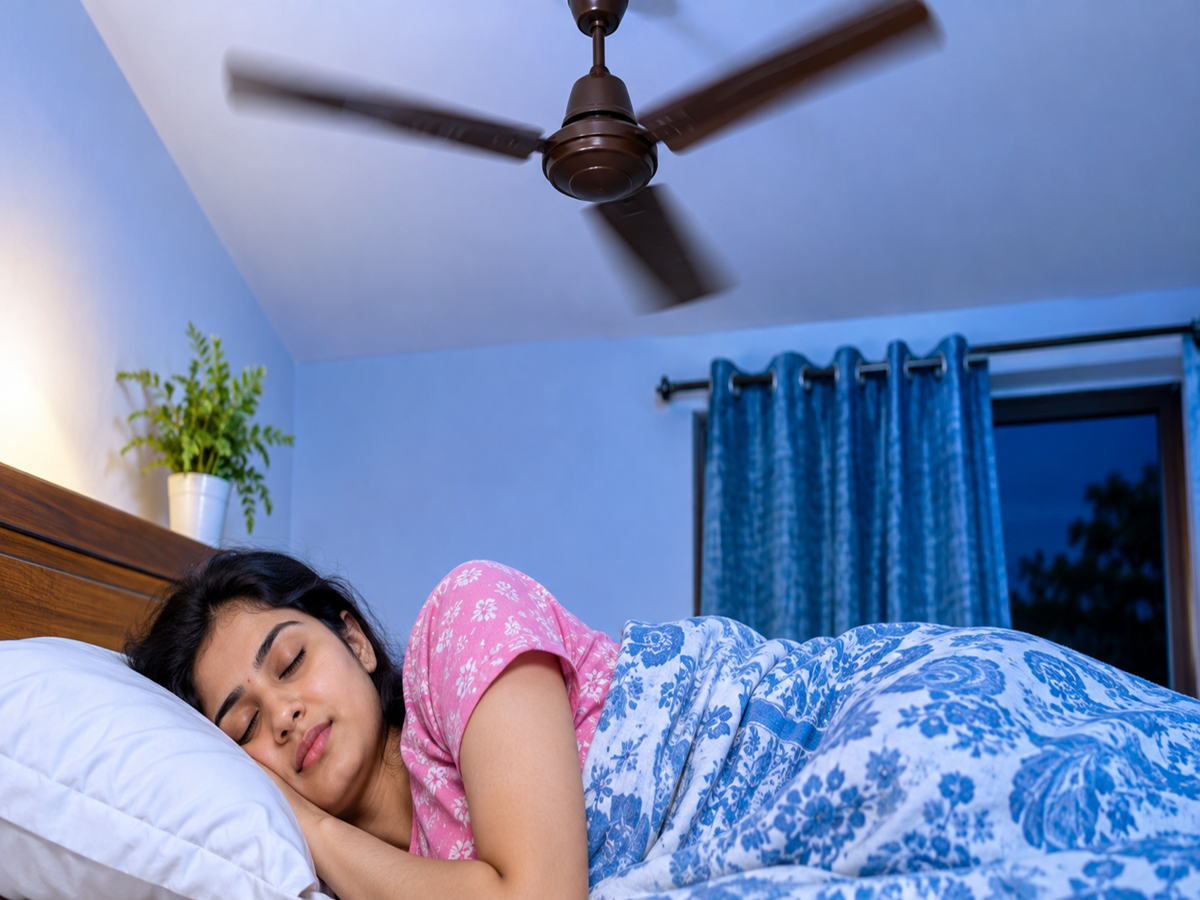
Should You Use a Ceiling Fan During Seasonal Changes? During transitional weather, it is common to experience both heat and cold. Mornings and nights often remain cool, while the afternoons can become uncomfortably hot and humid. This leads many to wonder: should one use a ceiling fan during such weather? Could sleeping with a fan on all night cause colds, coughs, or a sore throat? On the other hand, some people feel hot and restless without one.
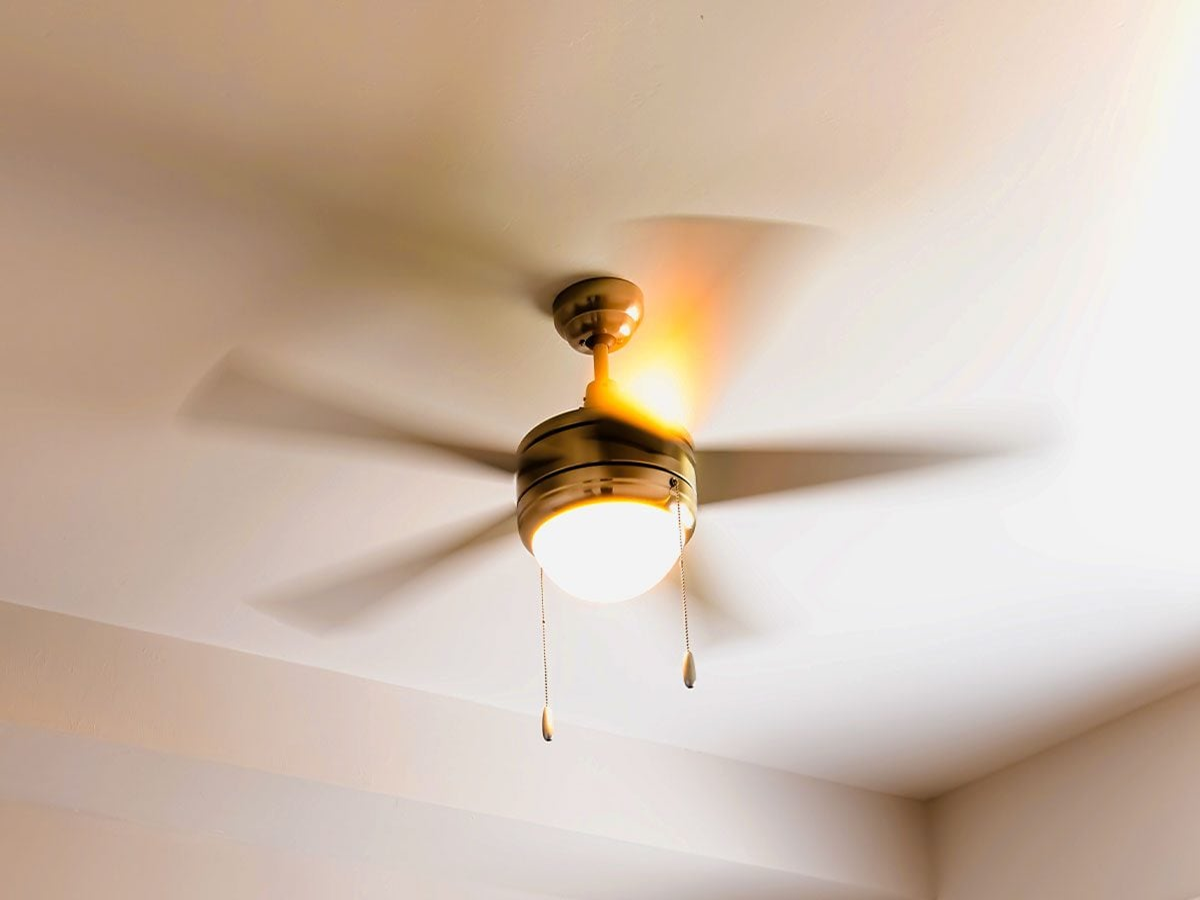
Using a fan is not inherently harmful to your health, but it is important to take certain precautions—especially for children, the elderly, and individuals suffering from allergies or asthma. Let’s explore whether it is advisable to use a fan during changing weather and how it affects the body.
Is it right or wrong to use a ceiling fan during seasonal changes?
Using a fan during transitional weather is not necessarily wrong. It can be used based on the room temperature, humidity levels, and individual needs. If the room feels hot or stuffy, a fan can provide relief. However, if the weather is cool and the breeze from the fan makes you feel chilly, it is better to turn it off. It is also worth noting that the breeze from a fan does not directly cause colds or the flu; these illnesses are primarily spread through viral infections.
5 Benefits of Using a Ceiling Fan During Seasonal Changes
1. Relief from heat and humidity
During seasonal transitions, humidity levels in a room can often rise. Running a fan improves air circulation and helps evaporate sweat, which creates a cooling effect on the body.
2. Improved air circulation in the room
A fan circulates the air within a room, which helps disperse pockets of warm, stagnant air. However, a fan does not bring in fresh outdoor air, nor does it filter polluted air.
3. It can help with better sleep at night
If a room is hot and humid, the gentle breeze from a fan can feel comfortable. It cools the body and can make it easier to fall asleep.
4. It helps in evaporating sweat
The breeze from a fan accelerates the evaporation of sweat from the body, which can help reduce the discomfort caused by heat.
5. It can provide relief from a feeling of stuffiness
In a closed room, heat and humidity can lead to a feeling of stuffiness. Running a fan improves air circulation and can provide relief.
What are the potential downsides of using a fan during changing weather?
A fan itself is not harmful, but using it incorrectly can lead to certain issues.
1. Dryness of the skin and eyes
If the breeze from a fan is directed constantly at the face, some people may experience dryness in their eyes and skin. This can be particularly problematic for those who already have dry skin.
2. Dust and allergy-related issues
If dust has accumulated on the fan blades, it can spread throughout the room when the fan is turned on. This may trigger or worsen allergies, sneezing, and nasal irritation.
3. Feeling cold and experiencing discomfort
Running a fan at a high speed during cooler weather can cause the body to feel uncomfortably cold. Children and the elderly, in particular, may be more susceptible to feeling cold.
4. Dryness in the throat and nose
Constant exposure to the breeze from a fan can cause dryness in the nose and throat for some people. Those who already suffer from allergies or respiratory issues should exercise extra caution.
Is it okay to sleep with a fan on all night?
If a room is hot or humid, it is generally safe to sleep with a fan running throughout the night. However, it is important to pay attention to the fan speed and the direction of the airflow.
Adjust the fan speed according to the weather.
Ensure that the airflow is not directed straight at your face.
If you feel cold, turn off the fan or reduce its speed.
Clean the fan blades before going to sleep.
Avoid exposing children and the elderly to excessively cold air.
PC Social Media