
Parenting
More than 8 million children suffer from epilepsy; if your child also shows these symptoms, be cautious..
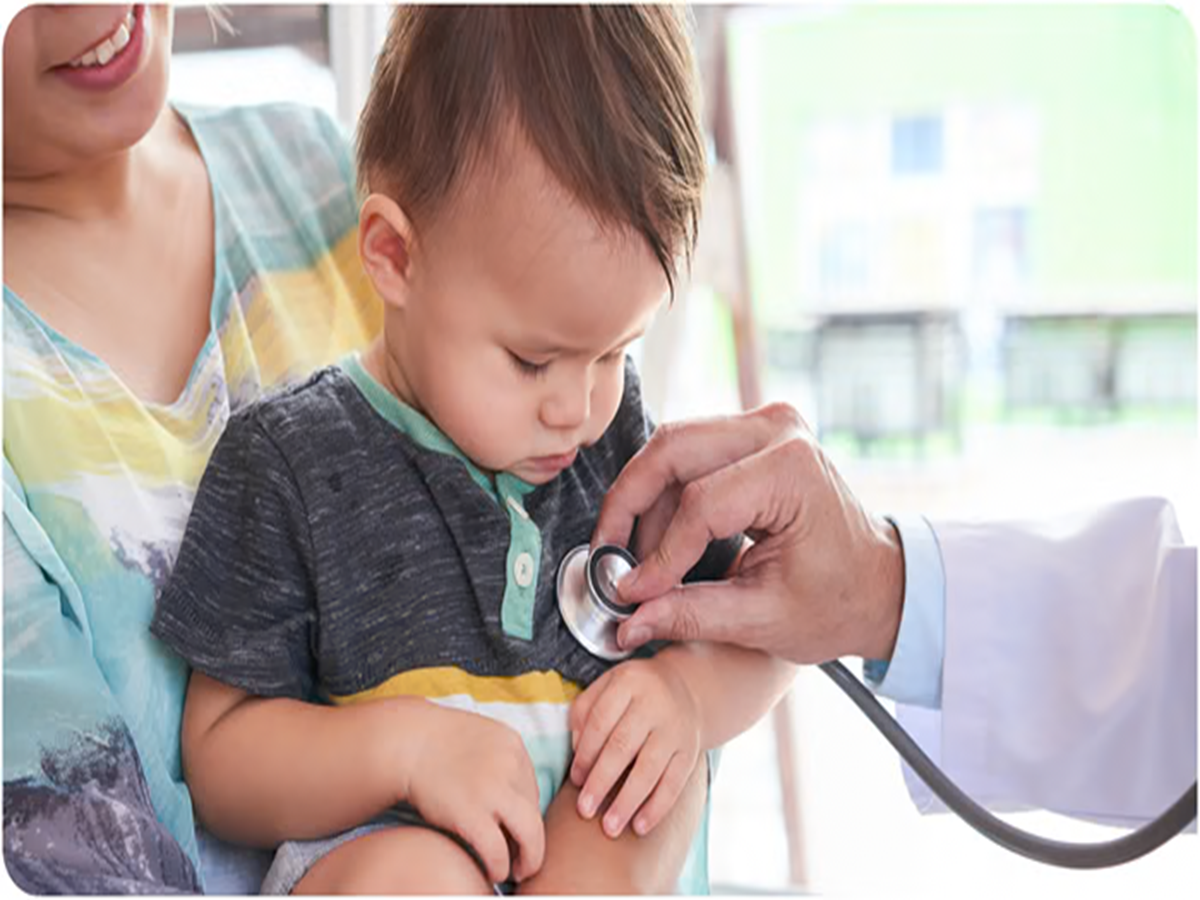
Is there someone around you who suffers from epilepsy—someone who frequently experiences seizures?
Health experts explain that epilepsy is a chronic brain disorder characterized by recurrent seizures, which are caused by abnormal electrical activity in the brain's nerve cells. It can affect anyone, from children to the elderly. Medical reports indicate that more than 8 million children and adolescents worldwide are living with epilepsy, with over 1.2 million new cases emerging each year.
According to health experts, epilepsy in children often goes undetected. Parents frequently mistake the symptoms for mere mischief or a lack of attention. However, certain unusual behaviors—such as a child suddenly becoming quiet for a few seconds, failing to respond when spoken to, or staring fixedly into space—can actually be signs of epilepsy. If you notice these types of episodes recurring in a child—whether your own or someone else’s—take them to a doctor immediately.
Understanding Epilepsy in Children
In India, National Epilepsy Day is observed every year on November 17th to raise awareness about the growing prevalence of epilepsy. This day is dedicated to educating the public about this neurological condition, including its symptoms, causes, and available treatments. Health experts emphasize that parents should remain vigilant and pay close attention to any potential signs in their children.
Epilepsy is a condition where sudden disruptions in the brain's electrical activity trigger seizures. It is a common misconception that an epileptic seizure always involves a child falling to the ground and thrashing their limbs; in some children, the symptoms are so subtle that parents may remain unaware of the condition for a long time.
Could your child also be affected?
Our brain sends messages to the body through millions of nerve cells. These messages function as electrical signals. When the activity of these signals in the brain suddenly becomes abnormal, a seizure can occur. Children, too, can be affected by this.
Factors such as a lack of oxygen to the brain at birth, severe head injuries, brain infections, or certain genetic causes can increase this risk.
Not every seizure in a child is epilepsy. Some children may experience seizures during a high fever; these are known as "febrile seizures."
How can this be identified in children?
Health experts note that the symptoms of epileptic seizures in children may not necessarily be the same as those seen in adults. Certain unusual behaviors or states in children can also be indicators of an increased risk.
A child might suddenly stare fixedly for a few seconds and fail to respond when called.
There may be repetitive, involuntary jerking movements in the muscles of the arms, legs, or face.
The body might suddenly stiffen, or the child might fall down for no apparent reason.
A child may exhibit strange behavior for a period of time or appear confused following a seizure.
Some children may experience sensations such as detecting an unusual odor, feeling sudden fear, or experiencing a tingling sensation in their body before a seizure occurs.
Health experts advise that if a child has a seizure, you should lay them down in a safe place, remove any sharp or hard objects from the vicinity, and turn them onto their side. Do not attempt to restrain the child, stop the jerking movements, or place water or your fingers into their mouth.
PC Social Media