LIFESTYLE
Kajari Teej 2025: Kajari Teej is on 12th August, know the correct way and auspicious time of Neemdi worship..
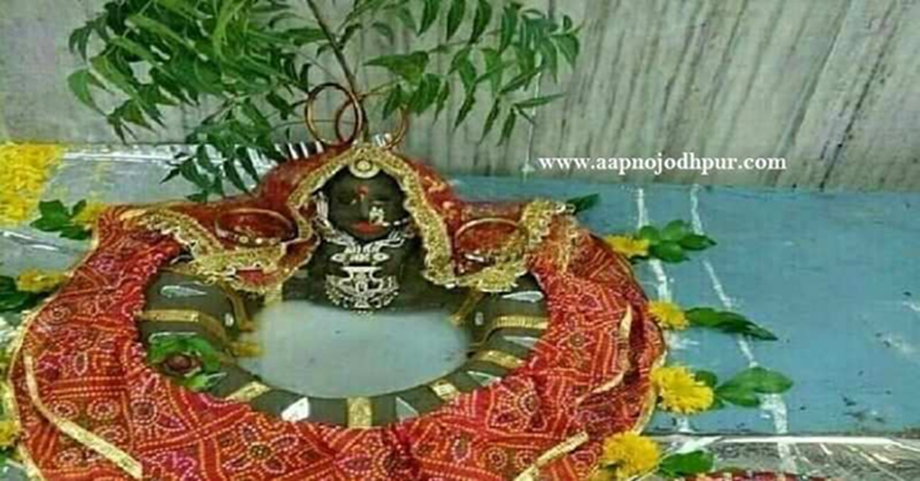
Nimdi Puja on Kajari Teej: Kajari Teej is an important festival deeply rooted in the cultural traditions of North India, which is especially celebrated by women with full devotion and reverence. This festival holds special significance for married women amidst the drizzle of Sawan, because on this day, they observe a fast wishing for their husband's long life, happiness, prosperity, and unbroken good fortune. Traditional costumes, melodious tunes of Kajari songs, and the tradition of swinging add to the beauty of this festival.
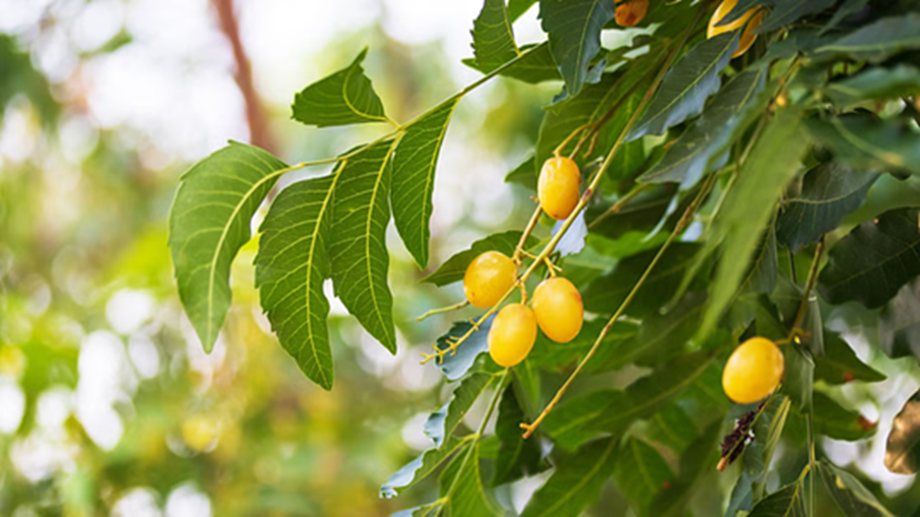
A special aspect of Kajari Teej is Nimdi Pujan, in which women worship the branch of Neem as a goddess. Neem is considered a disease-destroying and environment-purifying tree in the scriptures. This worship not only gives spiritual energy, but it also gives the message of connection with nature and women's empowerment. This festival is a symbol of family unity, love, and collective joy, which spreads positivity and peace in society.
What is Kajari Teej and its significance?
Kajri Teej is a holy festival celebrated in North India, which comes about fifteen days after Hariyali Teej. This festival is especially celebrated by married women to wish for the long life of the husband, family happiness, prosperity, and childbirth. On this day, women observe a fast, sing traditional Kajari songs, and listen to religious stories after worshiping at night. The most special tradition of Kajari Teej is Nimdi Pujan, in which there is a tradition of worshiping neem as a goddess.
What is the tradition of Neemdi Pujan?
In Neemdi Pujan, women consider it a form of mother by establishing a neem tree or its branch as a symbol. At some places, worship is done by placing an idol of the goddess made of clay on top of neem leaves. Women worship Neemdi Mata with turmeric, bangles, vermilion, roli, and other materials of Suhaag. This worship is considered a symbol of good luck, child happiness, and maintaining positive energy in the house.
Fasting and worship method
In the morning, women take a vow to fast after taking a bath and fast without water throughout the day. In the evening, a branch of neem or its idol is installed and worshipped. The story of Kajari Mata is heard, which tells the story of a Brahmin woman's fast and her test. In the end, rice and jaggery are offered, and prayers are offered for a happy married life and family happiness.
Belief associated with Neemdi worship
It is believed that Goddess Durga resides in the neem and by worshipping it, women get the blessings of unbroken good fortune. The coolness and medicinal properties of neem help purify both the body and the mind. Especially in rural areas, women swing under the neem tree while singing Kajari songs and pray to Neemdi Mata for happiness, prosperity, and protection.
Take these measures on Kajari Teej.
By taking some special and easy measures on the day of Kajari Teej, women can make their married life even happier. These measures not only bring blessings of the gods and goddesses, but also maintain peace, love, and prosperity in the house.
After worship, offering Suhaag items like bangles, bindi, comb, and sindoor on the neem twig is considered very auspicious. This brings sweetness to the relationship between husband and wife and strengthens mutual understanding.
Anointing the neem twig with cow's milk, curd, ghee, honey, and Gangajal brings positive energy in the environment and maintains purity in life.
Making a small idol of Shiva and Parvati from the soil of a well, river or pond and worshipping them is very fruitful on this day. This measure helps maintain unbroken good fortune.
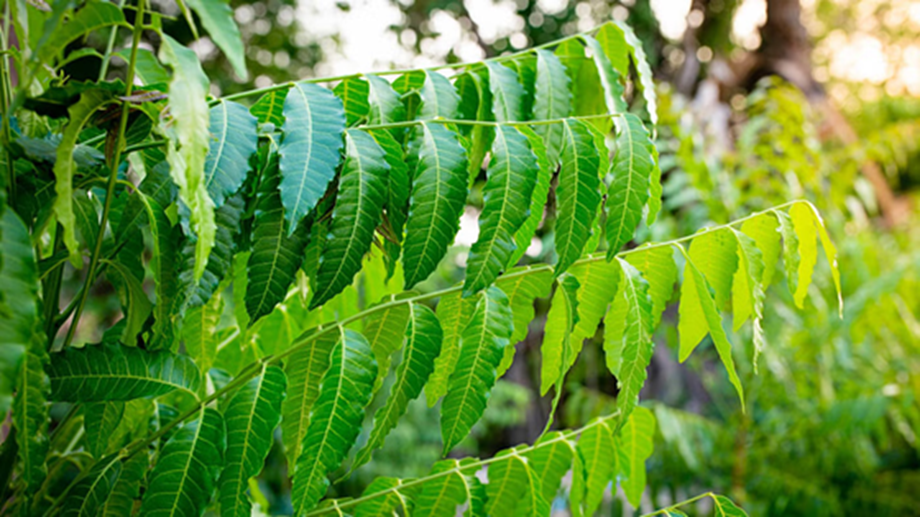
After listening to the story of Kajari Teej, donating saree, bangles, bindi, sindoor, etc. to a married woman is considered very virtuous. This reduces the ongoing crisis and tension in the house.
When offering arghya to the moon at night, keep this feeling in mind. "O Chandra Dev, just as you illuminate the whole world with your light, fill my home with happiness, peace, and good fortune." Arghya offered with this sentiment is considered very effective.
PC Social media