
LIFESTYLE
Makar Sankranti 2026: The festival of Makar Sankranti will be celebrated on January 15th, coinciding with Til Dwadashi and Vriddhi Yoga..

Makar Sankranti 2026: Makar Sankranti is a festival that celebrates the revolution in nature caused by the change in the Sun God's zodiac sign. On this day, Lord Surya (the Sun God) enters the Capricorn zodiac sign from Sagittarius and begins his northward journey (Uttarayana). As soon as the sun begins its northward journey, changes in nature begin. The days start getting longer, and the duration of daylight increases. The intensity of the winter season also begins to decrease. According to the traditional mathematical calculations based on the Surya Siddhanta and other systems established by the sages for determining festivals and fasts in Sanatana Dharma, Lord Surya will enter Capricorn from Sagittarius at 9:39 PM on Wednesday, January 14th.
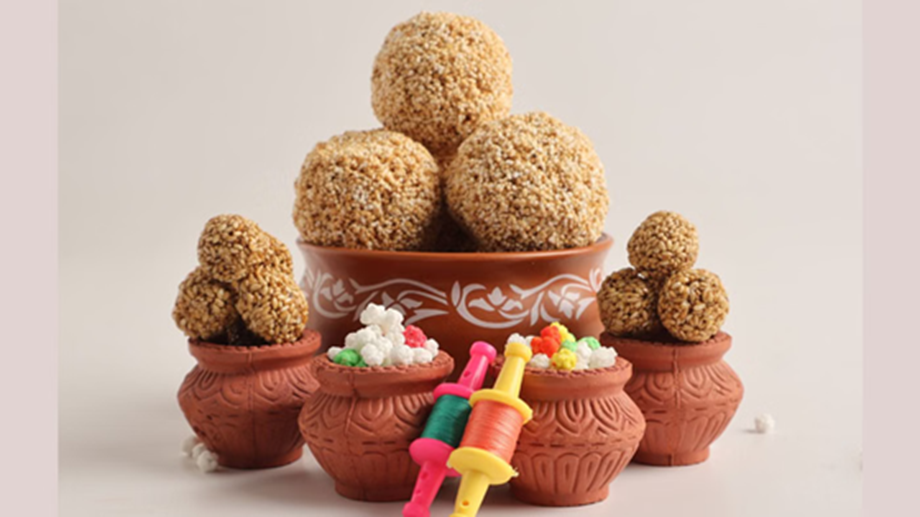
The auspicious period (Punya Kaal) of Sankranti lasts for 16 hours from the time of Sankranti. Therefore, the festival will be celebrated on January 15th, and its auspicious period will last until 1:39 PM. The period from sunrise on January 15th until 1:39 PM will be considered auspicious for bathing and giving alms.
On January 14, 2026, at 9:39 PM, Lord Surya will transit into Capricorn. Since the Sankranti is occurring at night, the auspicious period of Makar Sankranti will begin after sunrise on January 15th. According to the Nirnaya Sindhu, the auspicious period for this year's Makar Sankranti is also on January 15th because the sun's entry into Capricorn is happening at night. Therefore, celebrating Makar Sankranti on Thursday, January 15th, is considered scripturally correct. On the day of Makar Sankranti, it is the Magha Krishna Dwadashi tithi, and it is also the day for breaking the fast of Shat Tila Ekadashi.
However, some almanacs (Panchangs) state the time of Makar Sankranti as 3:13 PM on January 14th, with its auspicious period from 3:13 PM to 5:45 PM. This has created confusion among people. Although in many places people celebrate Makar Sankranti on January 14th, regardless of when the sun transits, this is not correct because the festival of Makar Sankranti depends on the sun's transit, not on January 14th or 15th according to the Gregorian calendar.
Donating khichdi (a dish of rice and lentils) on Makar Sankranti is considered auspicious for mitigating planetary defects. Donating rice and black gram lentils is especially considered to yield highly auspicious results. If Makar Sankranti coincides with Ekadashi (the eleventh day of the lunar fortnight), then according to the scriptures, consuming and donating rice is prohibited. In such a situation, it would be appropriate to celebrate Makar Sankranti on January 15th, as that day is Dwadashi (the twelfth day of the lunar fortnight), and khichdi can be donated and consumed.
Special conjunction of Til Dwadashi and Vriddhi Yoga:
This year, a conjunction of three auspicious yogas is forming on Makar Sankranti, which has multiplied the auspiciousness of the festival many times over. Coincidentally, it is also Til Dwadashi of the Magha month on this day.
According to religious beliefs, sesame seeds originated from the body of Lord Vishnu on Magha Krishna Dwadashi; therefore, donating and consuming sesame seeds on this day is considered highly meritorious. Along with this, the Vriddhi Yoga is also coinciding with the festival day.
In astrology, Vriddhi Yoga is considered especially fruitful for auspicious activities, charity, and religious rituals. The occurrence of Makar Sankranti in the month of Magha is considered auspicious in itself.
Makar Sankranti Bath and Donation Auspicious Time:
According to tradition, the time of sunrise is considered best for bathing and donating. Among these, the Brahma Muhurta (pre-dawn period) is considered the most auspicious. Therefore, celebrating Makar Sankranti on January 15th is correct. Bathe and donate during the auspicious time in the morning on that day.
On January 15th, the auspicious time for Makar Sankranti extends until 1:39 PM. Therefore, you can perform the Makar Sankranti bath and donation from sunrise until 1:39 PM. The Significance of Makar Sankranti
On Makar Sankranti, people eat khichdi (a dish made of rice and lentils), which is why Makar Sankranti is also called Khichdi. Because the sun begins its northward journey on this day, it is also known as Uttarayan. Bathing and giving alms on this day are considered auspicious, bringing merit and absolving sins. Therefore, on Makar Sankranti, one should donate rice, sesame seeds, jaggery, warm clothes, fruits, etc.
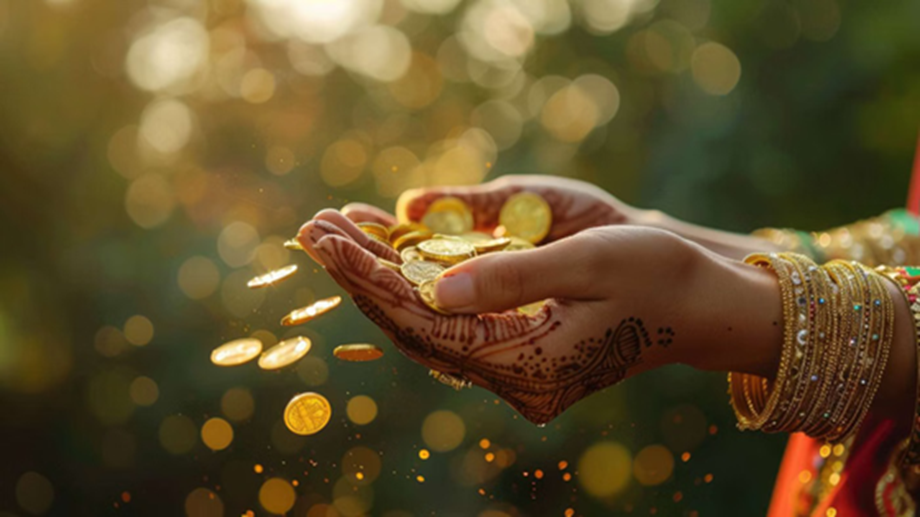
Auspicious Ceremonies Will Not Begin This Time
While auspicious ceremonies usually begin with Makar Sankranti, this year they will only commence after February 2nd. Astrologer Pandit Manoj Kumar Dwivedi explained that due to Venus being in retrograde, auspicious ceremonies will not begin on Makar Sankranti this year. These ceremonies will be possible only after Venus rises again, from February 2nd onwards.
PC Social Media