LIFESTYLE
Menstrual Health Tips: Why is proper nutrition important during periods? Check out the complete diet plan..
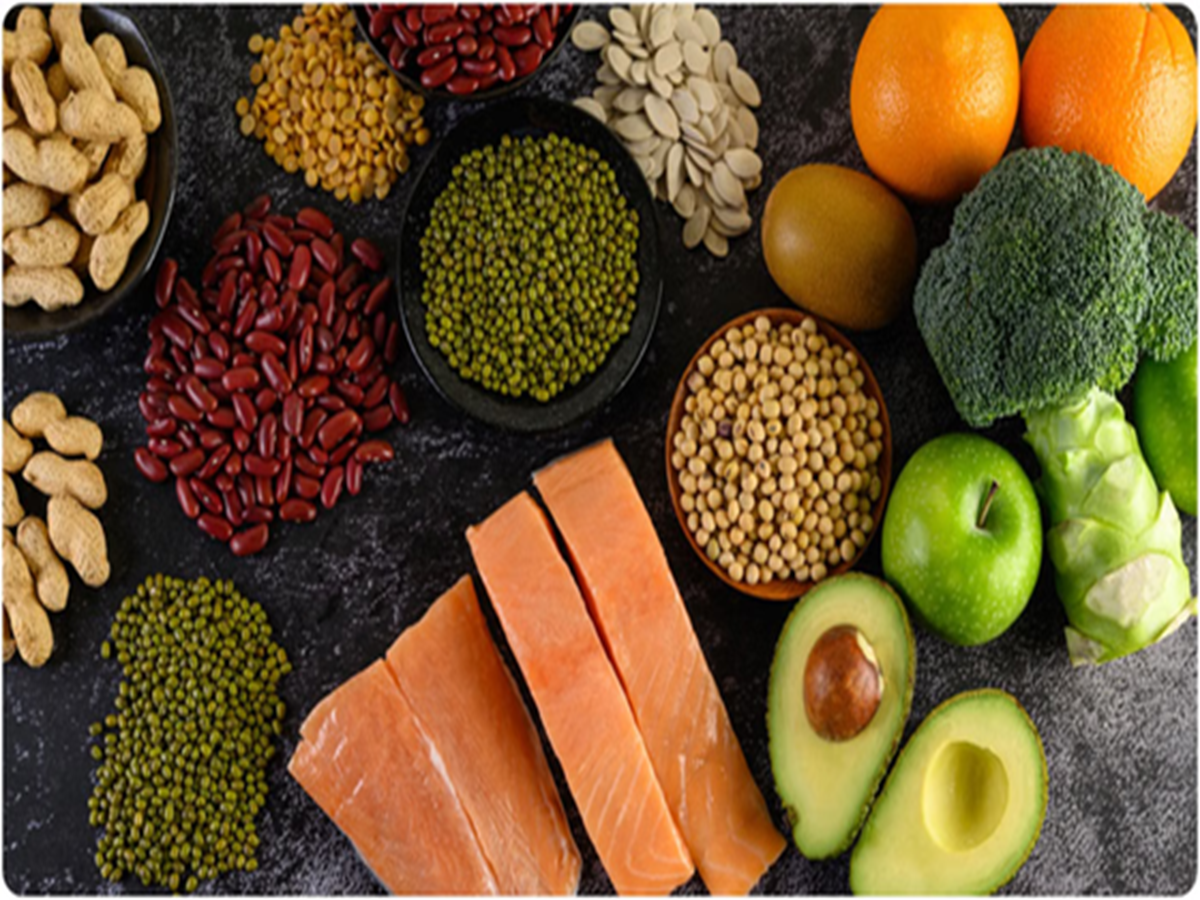
Healthy Diet During Menstruation: Menstruation (periods) is a normal yet sensitive part of a woman's life. During this time, rapid hormonal changes occur in the body, which can lead to issues such as abdominal pain, fatigue, weakness, mood swings, and bloating. Proper nutrition during this period not only helps alleviate these discomforts but also provides the body with essential nutrients.
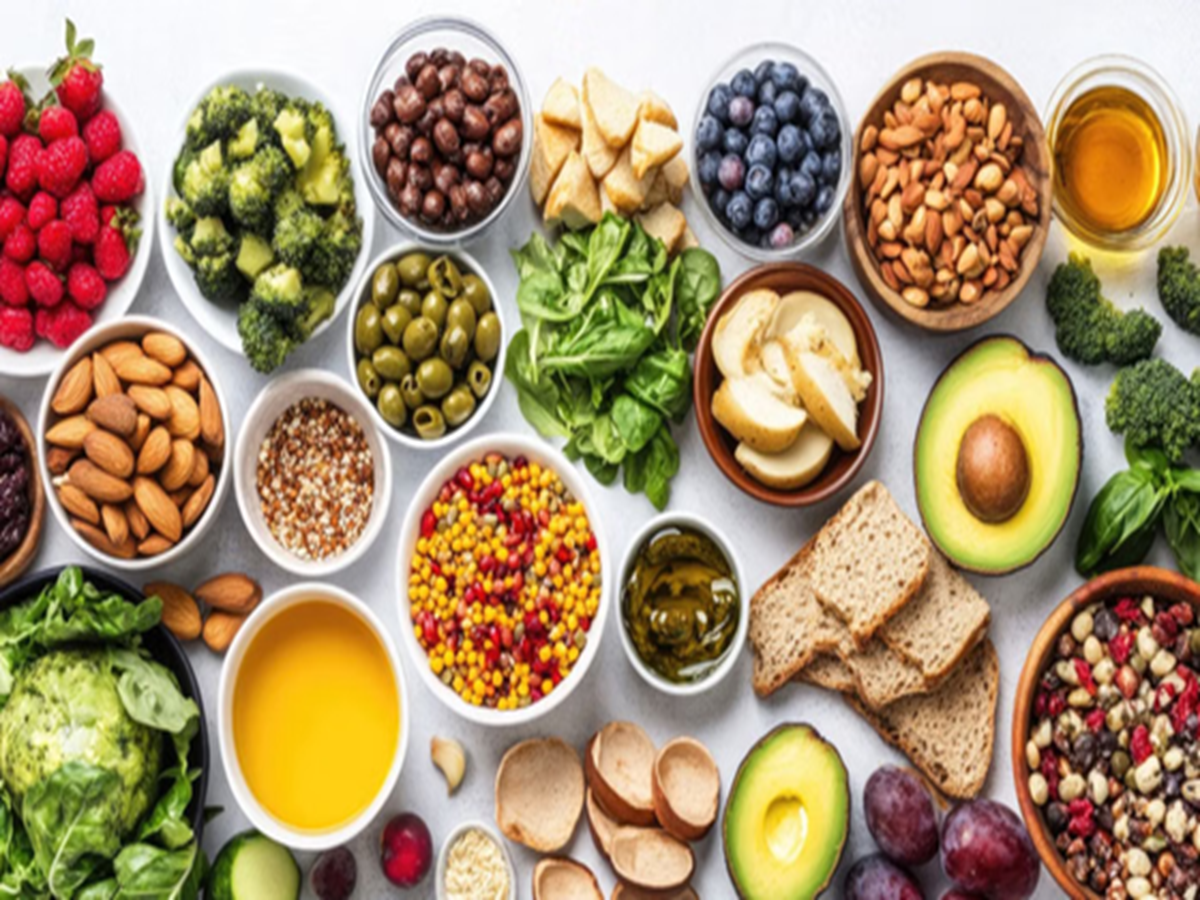
Many women neglect their diet during periods and consume junk food or excessive sweets, which can aggravate these issues. Experts emphasize the importance of consuming adequate amounts of iron, calcium, protein, fiber, and water during this time.
A balanced and nutritious diet helps maintain energy levels, prevents iron deficiency, and keeps hormones balanced. Let us explore what a woman's diet should look like during periods and which foods are beneficial or best avoided.
**Consume Iron-Rich Foods**
Bleeding during periods increases the risk of iron deficiency in the body.
If this deficiency is not addressed in time, it can lead to problems such as fatigue, dizziness, weakness, and low hemoglobin levels.
Include iron-rich foods in your diet, such as spinach, fenugreek leaves, mustard greens, beetroot, pomegranate, raisins, dates, jaggery, kidney beans (rajma), chickpeas (chana), and red lentils (masoor dal).
To enhance iron absorption, consume Vitamin C-rich foods—such as oranges, amla (Indian gooseberry), or lemon—along with these iron-rich items.
**Include Protein in Your Diet**
The body requires extra energy and nutrition during menstruation.
Protein plays a crucial role in muscle repair, hormonal balance, and the body's recovery process.
Protein-rich foods—such as eggs, paneer (cottage cheese), yogurt, milk, lentils, soybeans, tofu, chicken, and fish—help keep you feeling full for longer periods.
This reduces feelings of fatigue and keeps the body more active throughout the day. **Stay hydrated with water and fluids**
During periods, issues such as dehydration, bloating, and headaches can occur.
Drinking adequate water keeps the body hydrated and can help reduce bloating.
Try to drink at least 2.5 to 3 liters of water throughout the day.
Healthy drinks like coconut water, buttermilk, lemonade, soups, and herbal teas help maintain the body's electrolyte balance.
Limit the consumption of caffeine and high-sugar beverages.
**Eat fruits and fiber-rich foods**
Due to hormonal changes during periods, many women experience constipation, gas, and digestive issues.
Fiber-rich foods help maintain good digestion.
Fruits like bananas, apples, oranges, papayas, and berries, as well as seasonal fruits, provide the body with vitamins, minerals, and antioxidants.
Oats, brown rice, whole grains, and green leafy vegetables are excellent sources of fiber.
They provide energy and help you feel full for longer.
**Foods to avoid**
Certain foods can aggravate discomfort during periods.
High salt intake causes water retention in the body, which can increase bloating.

Trans fats found in fried foods, fast food, and packaged snacks can worsen inflammation and abdominal pain.
High-sugar sweets and cold drinks can cause rapid spikes in blood sugar, leading to mood swings and fatigue.
Excessive consumption of tea, coffee, or other caffeinated beverages can increase restlessness and cramps.
PC Social Media