LIFESTYLE
Mount Abu: Planning a trip to the hill station of Mount Abu? Don't forget to visit these 5 temples..

Situated on the banks of the famous Nakki Lake—at Mount Abu, Rajasthan's only hill station—the Sarveshwar Raghunath Temple is considered a unique confluence of faith and history. This ancient temple is dedicated to Lord Rama; notably, it houses a solitary idol depicting him in his childhood form—a feature that distinguishes it from other Rama temples. Typically, in Rama temples, Lord Rama is depicted alongside Sita, Lakshmana, and Lord Hanuman. According to local legends, it was at this very sacred site that Lord Rama received his education from Guru Vashistha. For this reason, the temple holds immense religious significance for devotees.

**Dattatreya Temple, Guru Shikhar**
Guru Shikhar is a sacred pilgrimage site situated atop the highest peak of the Aravalli Range. Located at an altitude of 1,722 meters above sea level, this spot is brimming with natural beauty. It is home to an ancient temple dedicated to Lord Dattatreya and Mother Anusuya. The Dattatreya Temple is built within a cave, which also houses his *Dhuna* (sacred fire pit). This site offers a profoundly spiritual experience for both devotees and tourists, who often leave with a deep sense of peace and faith.
**Dattatreya Temple, Guru Shikhar**
This temple is situated approximately 12 kilometers from the town of Mount Abu. To reach it, one must ascend a flight of about 150 steps. Daytime is considered the most suitable time to visit this site. Entry to the temple is not permitted at night, as the proximity to a wildlife zone poses a risk of encounters with wild animals. The site serves as a major center of attraction for devotees and tourists alike; here, the natural scenery is mesmerizing, and the atmosphere feels both serene and sacred.
**Achaleshwar Mahadev, Achalgarh**
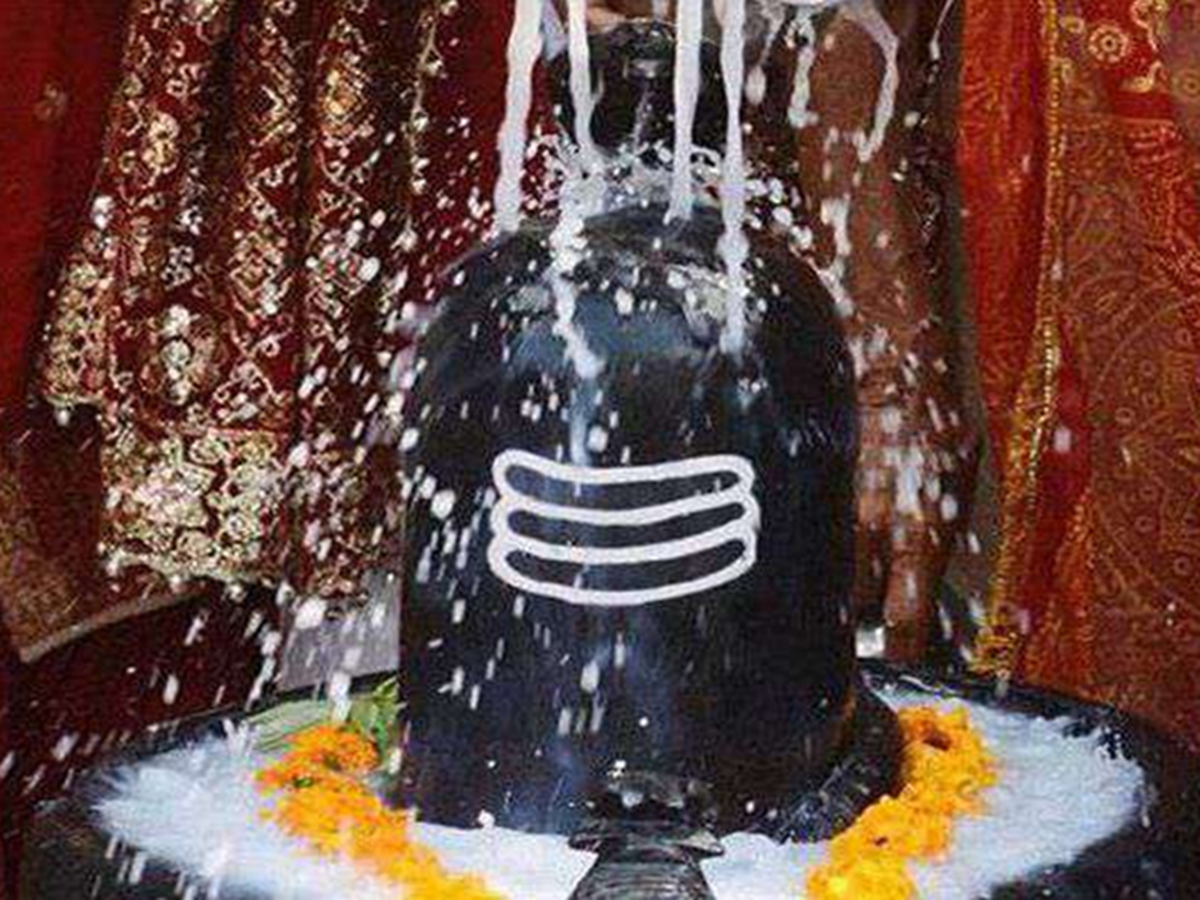
Located in Achalgarh, approximately 5 kilometers from Mount Abu, the ancient Achaleshwar Mahadev Temple stands as one of the most unique Shiva temples in the country. It is the only temple where, instead of the traditional *Shivlinga* form, Lord Shiva is worshipped in the form of his toe. According to legend, Lord Shiva supports the entire range of Mount Abu hills upon his toe. Devotees offer water into a deep chasm situated at the spot where the Shivling is typically placed within the temple. No matter how much water is poured into it, this chasm never fills up.
**Shaktipeeth Adhar Devi Temple**
The renowned Adhar Devi Temple—a *Shaktipeeth* (sacred seat of the Goddess)—in Mount Abu serves as a major center of faith. Here, the Goddess is worshipped in the form of *Maa Katyayani*. It is believed that this is the very spot where the lips (*adhar*) of Goddess Sati fell. For this reason, the shrine is known as the Adhar Devi Temple. Adhar Devi is revered as the *Kuldevi* (family deity) by various communities, including the Rajput Parmars. This temple is considered an extremely sacred site by devotees, and large numbers of pilgrims visit it to offer their prayers and seek blessings. The natural surroundings are also remarkably picturesque. Furthermore, this site serves as a symbol of Mount Abu's distinct religious identity.

**Adhar Devi Temple**
The Adhar Devi Temple is an ancient cave shrine nestled amidst the hills of Mount Abu. To reach the temple, visitors must ascend a flight of approximately 250 steps. Within the sanctum, the sacred footprints (*Charan Padukas*) of the Goddess are worshipped. It is widely believed that this *Shaktipeeth* possesses immense miraculous powers; consequently, every year during the festival of *Navratri*, devotees from across the country and abroad flock to this site in large numbers to pay their respects. Locals also refer to this shrine as the Arbuda Devi Temple. This sacred site represents a magnificent confluence of religious faith and natural beauty. The atmosphere here feels profoundly serene and sanctified, deeply resonating with the reverence of the devotees.
PC Social Media