LIFESTYLE
Numbness in the hands and feet during cold weather is not just a result of the weather; it could also be a sign of an autoimmune disease..

In winter, many people experience numbness, tingling, or coldness in their fingers, hands, or feet. People usually dismiss this as a normal effect of the weather, but according to experts, in some cases, this problem can be an early sign of an autoimmune disease. It's especially important to be vigilant if your fingers change color or become painful when exposed to cold.
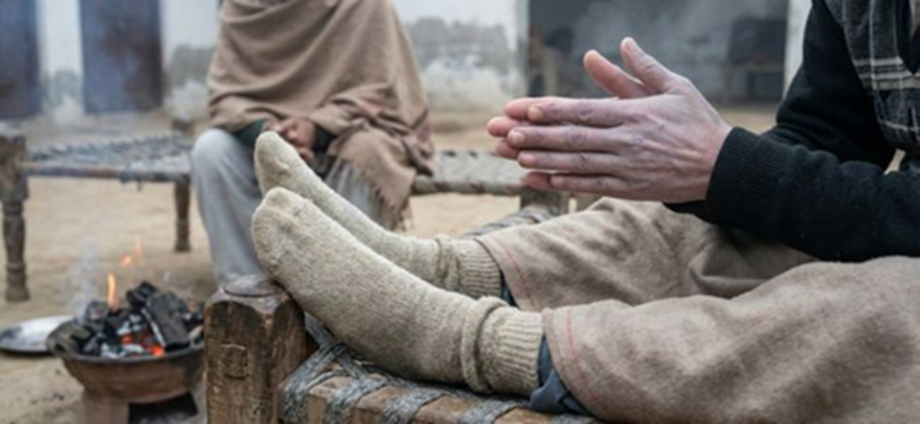
Numbness in Hands and Feet
Why do hands and feet become numb in the cold?
In cold weather, the body constricts the blood vessels in the hands and feet to conserve heat. This reduces blood flow to these areas, causing numbness or tingling. If this condition resolves quickly, it's usually not a cause for concern. Orthopedic doctors explain, "It's normal for hands and feet to become numb in mild cold, but if it happens repeatedly and persists for a long time, it needs to be investigated."
Raynaud's Phenomenon
One of the main reasons for numbness in the hands and feet in cold weather can be Raynaud's phenomenon. In this condition, the blood vessels in the fingers suddenly constrict due to cold or stress.
Its symptoms include:
Fingers turning white or blue
Tingling or numbness
Redness and pain upon warming
Dr. Sunil Kumar Chaudhary says, "Raynaud's phenomenon can sometimes occur on its own, but in some cases, it is associated with autoimmune diseases such as lupus, scleroderma, or rheumatoid arthritis."
Other diseases that can be the cause
Numbness in the hands and feet in cold weather is not limited to Raynaud's. Other health problems can also be behind it:
Autoimmune diseases
Diabetic neuropathy
Thyroid disorders
Vitamin B12 deficiency
Nerve-related problems
Doctors say, "If numbness is accompanied by weakness, burning, or pain, it's not right to simply dismiss it as a result of the cold." When is it necessary to see a doctor?
You should contact a doctor if you experience these symptoms:
Frequent changes in finger color
Numbness that persists for a long time
Increasing pain or burning sensation
Development of sores or blisters on the skin
Feeling of numbness even when it's not cold
"Getting tested in time can help identify autoimmune diseases in their early stages, making treatment easier," says the doctor.
Prevention and Care Measures
Keep your hands and feet warm at all times
Avoid direct exposure to cold
Avoid smoking
Eat a balanced diet
Try to reduce stress
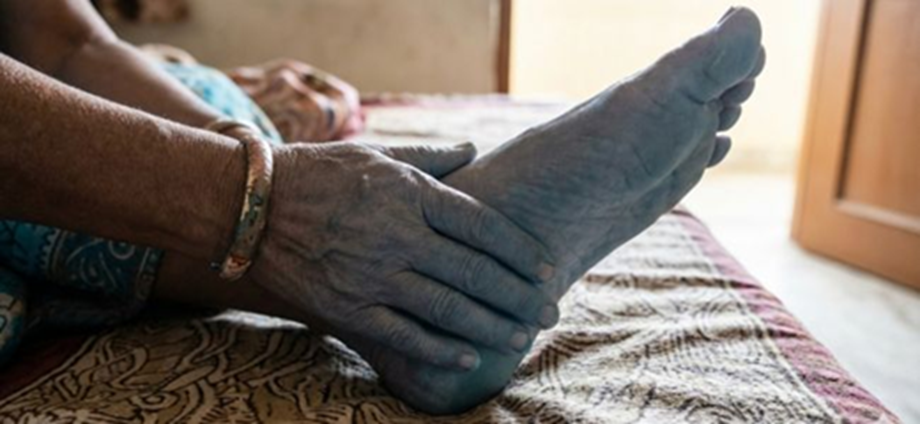
Numbness in the hands and feet during winter is not always serious, but if it occurs frequently or is accompanied by other symptoms, it could be a sign of an autoimmune disease. Consulting a doctor and getting tested promptly is the first step towards better treatment.
PC Social Media