LIFESTYLE
On Shani Jayanti, do not make this mistake under any circumstances; otherwise, Lord Shani may become displeased..
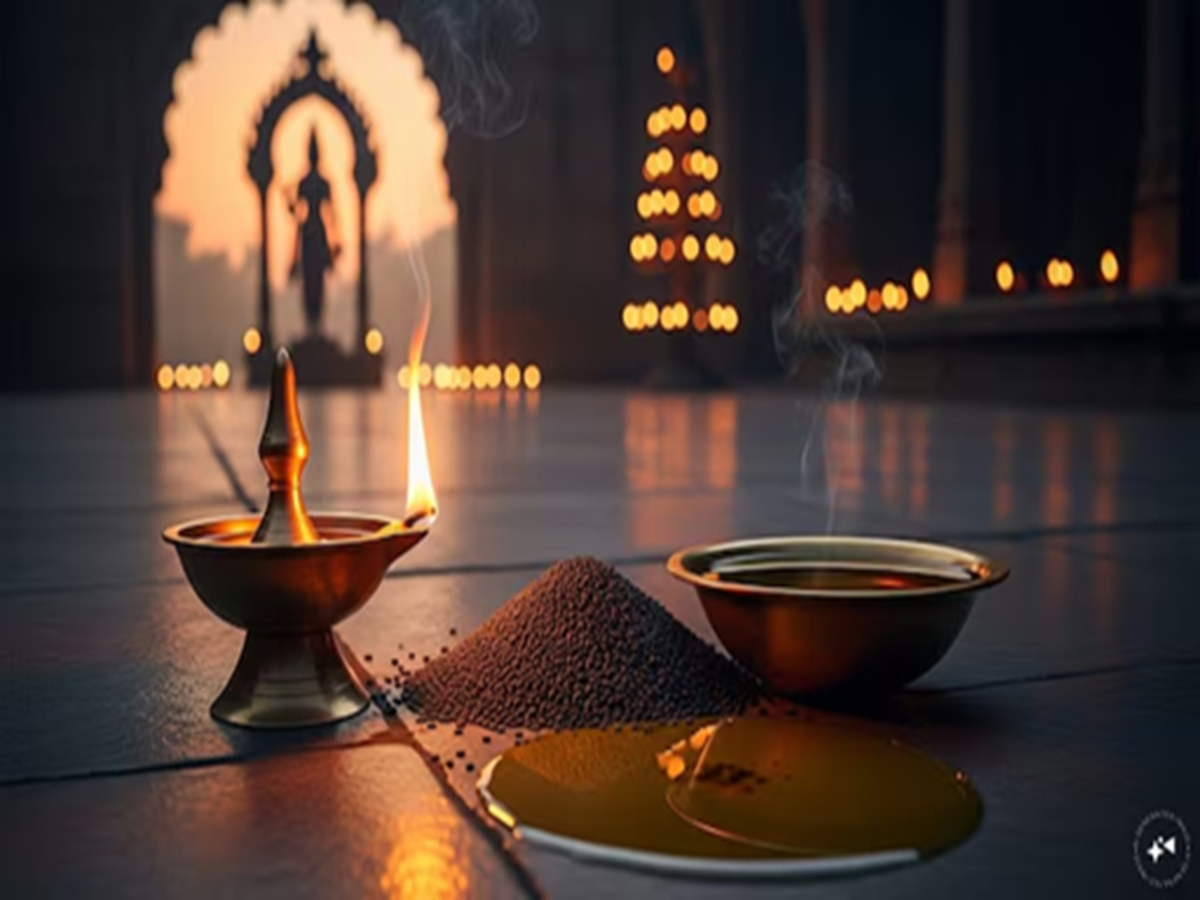
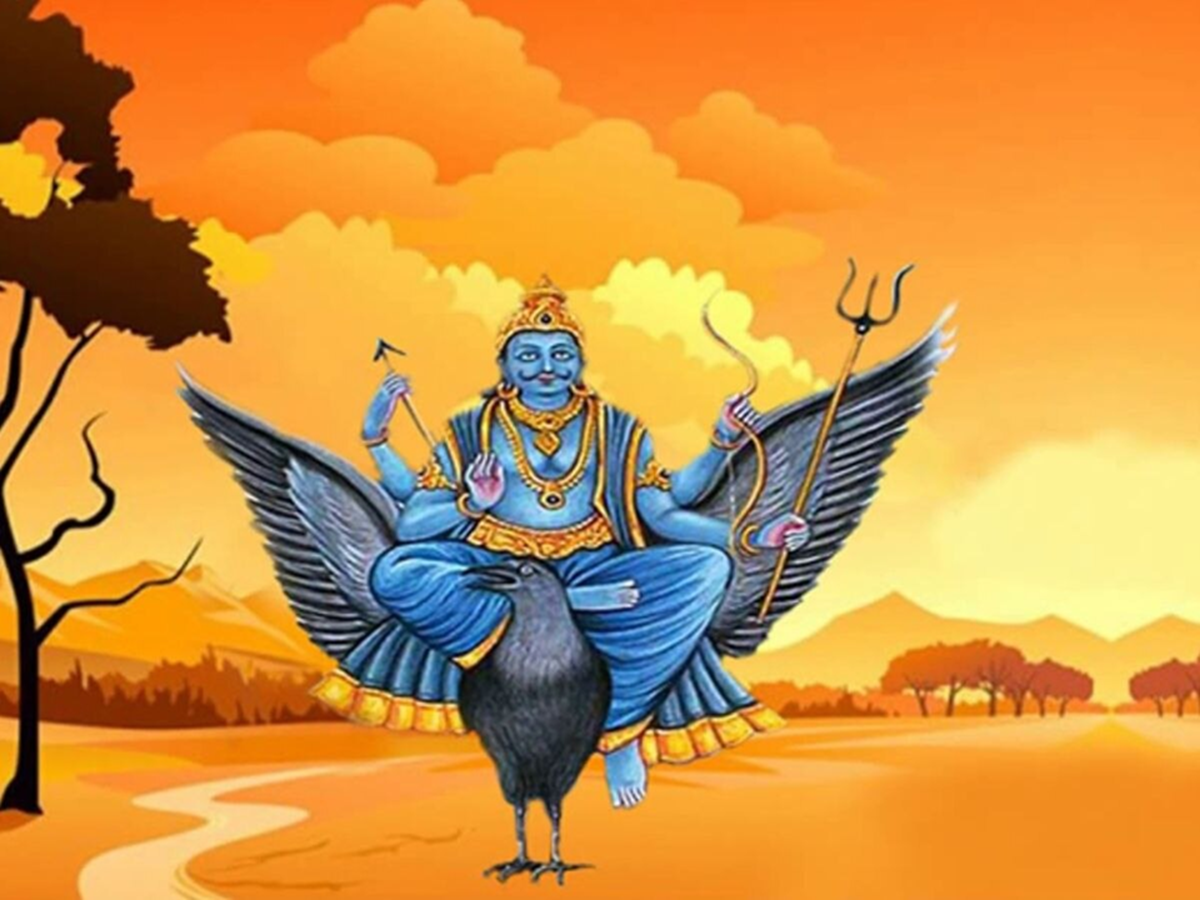
Shani Jayanti 2026: The mere mention of Lord Shani's name simultaneously evokes thoughts of fear, discipline, and the reckoning of one's deeds in people's minds. However, in the realm of astrology, Shani is not regarded merely as a punitive planet; rather, he is revered as the deity of justice and balance. This is precisely why the day of Shani Jayanti is considered exceptionally significant. On this day, devotees perform special rituals and prayers to seek relief from their troubles, planetary afflictions (*Graha Dosha*), and obstacles hindering their progress in life.

A noteworthy aspect is that the use of mustard oil, black sesame seeds, and earthen lamps (*diyas*) during Shani worship is not merely a matter of tradition; it is believed to be deeply intertwined with profound astrological symbolism. It is held that the proper utilization of these items serves to pacify Shani's malefic gaze, thereby ushering in positive transformations in one's life.
When will Shani Jayanti be celebrated in 2026?
According to the Hindu Panchang (calendar), Shani Jayanti is observed annually on the *Amavasya* (New Moon) Tithi during the month of *Jyeshtha*. In the year 2026, the *Amavasya* Tithi will commence at 5:11 AM on May 16th and conclude at 1:30 AM (late night) on May 17th. Based on the *Udaya Tithi* (the Tithi prevailing at sunrise), Shani Jayanti will be celebrated on Saturday, May 16, 2026. In astrology, this specific alignment is considered highly potent, as Saturday is, by its very nature, the day dedicated to Lord Shani. Many astrologers believe that the prayers and rituals performed on this year's Shani Jayanti will yield long-lasting effects—particularly for those currently undergoing the phases of *Shani Sade Sati* or *Dhaiyya* (specific periods of Shani's influence).
Why do people fear Shani?
People often become apprehensive at the mere mention of Shani's name; however, astrological wisdom asserts that Shani merely delivers the consequences of an individual's *Karma* (deeds). If, despite consistent hard work, one fails to achieve success in life—or faces persistent difficulties in their career or financial instability—people often attribute these struggles to *Shani Dosha* (afflictions caused by Shani). Nevertheless, many astrological experts maintain that Shani ultimately serves to strengthen the human spirit. He imparts invaluable lessons in patience, discipline, and resilience in the face of adversity. It is for this reason that, alongside worship, acts of charity and philanthropy (*Daan-Punyam*) are accorded special significance on the auspicious occasion of Shani Jayanti.
**The Astrological Significance of Mustard Oil**
**Why is Mustard Oil Offered?**
The use of mustard oil is most prominently observed during the worship of Lord Shani (Saturn). It is believed that mustard oil helps pacify the intense energy associated with the planet Saturn. This is why devotees offer oil at Shani temples or light oil lamps beneath Peepal trees. In villages and small towns, even today, people on Saturdays pour mustard oil into an iron bowl, gaze at their own reflection within it, and subsequently donate the oil. It is believed that this practice diminishes negative energy and mitigates the adverse effects of the "evil eye."
**Why are Black Sesame Seeds Considered Auspicious?**
**Helpful in Mitigating *Shani Dosha* (Saturn-related Afflictions)**
Black sesame seeds are regarded as one of the most significant elements associated with Lord Shani. According to Vedic astrology, black sesame seeds help alleviate afflictions stemming from an individual's past *karma* (actions). For this reason, on *Shani Jayanti* (the birth anniversary of Lord Shani), people donate black sesame seeds, bathe in water infused with sesame seeds, and offer them during worship rituals. In many families, there is also a tradition of distributing *Til ke Laddoos* (sesame-based sweets) or other sesame-based food items to the poor on this day. Astrologers state that if Saturn is weak in an individual's horoscope, or if the influence of *Rahu* and *Ketu* is particularly strong, the donation of black sesame seeds is considered highly beneficial.
**The Spiritual Significance of Lighting a Lamp**
**A Symbol of Transitioning from Darkness to Light**
The tradition of lighting lamps on *Shani Jayanti* is considered not merely a religious custom, but a deeply spiritual practice as well. In particular, lighting a mustard oil lamp beneath a Peepal tree is deemed highly auspicious. It is believed that the flame of the lamp symbolizes the dispelling of fear, confusion, and mental stress that may be pervading an individual's life. Many people visit Shani temples in the evening on this day to offer lamps (*Deepdan*). They hold the belief that this practice brings peace and stability into their homes. Interestingly, astrology characterizes Saturn as a slow-moving planet; consequently, the blessings bestowed by Lord Shani also manifest gradually, yet leave a lasting and enduring impact.
**What to Do and What to Avoid on *Shani Jayanti*?**
**Points to Keep in Mind**
On the day of *Shani Jayanti*, donating items such as black clothing, *Urad Dal* (black gram lentils), black sesame seeds, and mustard oil to the needy is considered a highly auspicious act. Furthermore, it is advised to refrain from lying, insulting others, and getting unnecessarily angry on this day. Many people also recite the Hanuman Chalisa and the Shani Stotra on this day. It is believed that doing so mitigates the adverse effects of Shani Dosha and provides mental strength.
PC Social Media