Parenting
Parenting: Is Your Child Troubled on the Inside? These 5 Signs Indicate They Are Hiding Their Anxiety...

As parents, we always want to see our children happy and safe; however, there are times when children are deeply troubled by something internally, yet we remain completely oblivious to it. Indeed, anxiety or stress is not limited to adults; it affects children as well.

The biggest challenge is that children often struggle to articulate their distress in words. They fear that their parents might get angry or fail to understand them. Consequently, their anxiety begins to manifest through their behavior. Let us learn from Dr. Vineet Banga, Director of Neurology at Fortis Hospital, Faridabad, about five key signs indicating that your child may be concealing their anxiety from you.
**Sudden Changes in Sleep or Appetite**
If your child is unable to sleep properly at night, experiences recurring nightmares, or suddenly wakes up in the middle of the night, it is a cause for concern. Furthermore, if they have suddenly drastically reduced their food and fluid intake—or, conversely, have started overeating—it signals that something is inwardly consuming them. Anxiety often impacts these fundamental daily routines first.
**Irritability or Anger Over Trivial Matters**
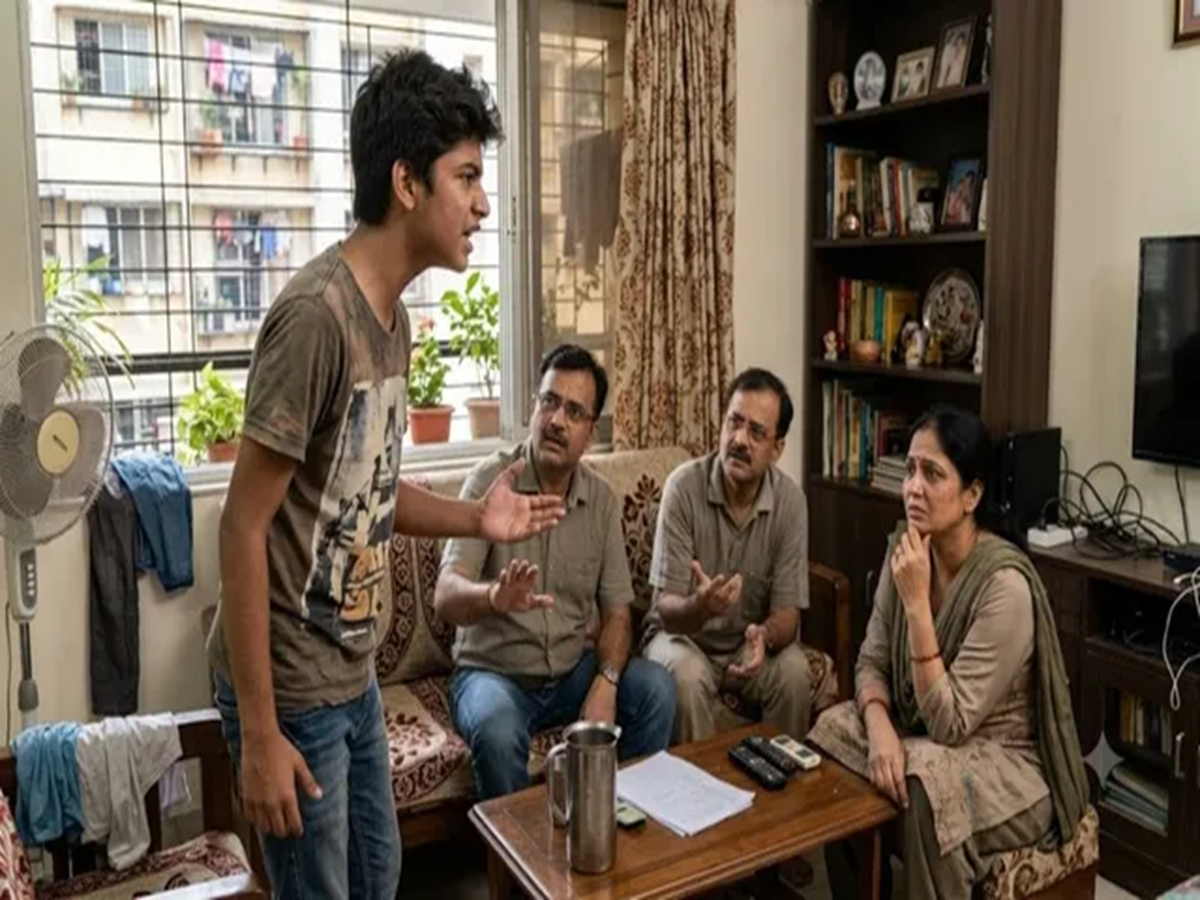
Has your usually calm and cheerful child recently started crying over minor issues or becoming angry very quickly? When children feel frightened, distressed, or confused internally, they often struggle to regulate their emotions. In such instances, their stress begins to surface in the form of anger, stubbornness, or irritability.
**Physical Symptoms Without Any Underlying Illness**
Often, anxiety is not confined solely to the mind; its effects are directly visible on the body as well. If your child frequently complains of stomach aches, headaches, or nausea—particularly before going to school, on the day of an exam, or when leaving the house—and a medical examination reveals no underlying physical illness, it could be a significant indicator of stress. **Withdrawing from Friends and Family**
If your child suddenly stops participating in their favorite activities, begins avoiding their closest friends, or prefers spending most of their time alone in their room rather than sitting with the family, pay attention. Anxiety tends to isolate individuals, cutting them off from the crowd.
**Lack of Focus in Studies**
Due to anxiety, a child's mind is often racing with a multitude of thoughts and fears simultaneously. Consequently, it is quite common for their attention to wander. If their school grades suddenly begin to drop, if completing their daily homework starts taking an excessive amount of time, or if they are unable to sit still in one place, they need your understanding rather than a reprimand.
**What Should You Do as a Parent?**
If you observe any of these signs in your child, do not panic or get angry immediately. Spend as much time as possible with your child and speak to them affectionately, like a friend. Reassure them that, no matter what happens, you will always be there for them.

Instead of asking them directly, try to inquire about their day in a gentle, roundabout manner. If, despite this, you feel that your child is deeply distressed and the situation is beyond your control, do not hesitate to seek help from a qualified child counselor or psychologist. Your timely love and support can easily resolve even the most significant challenges your child may be facing.
PC Social Media