
Parenting
Parenting Tips: No talk time is more dangerous than screen time; learn what it is and how it affects children..
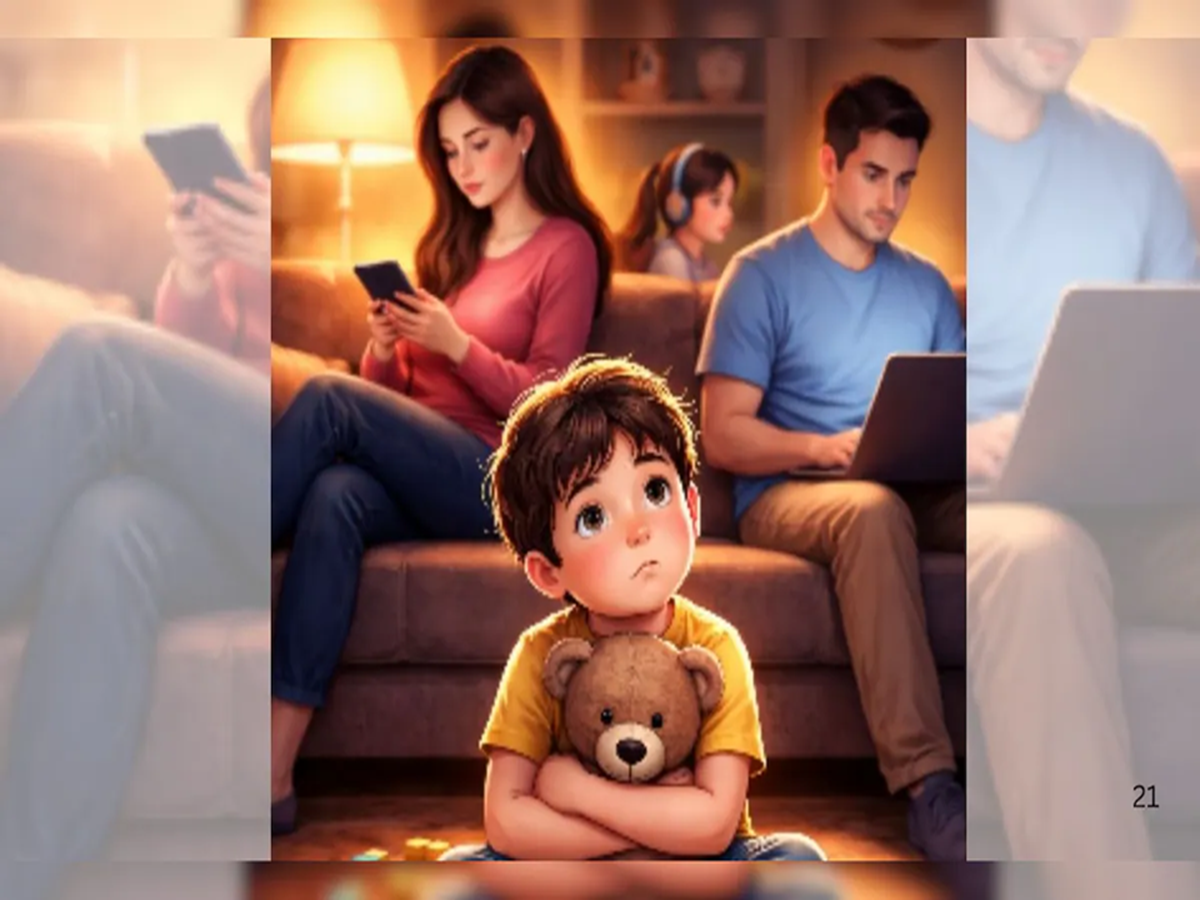
Parenting Tips: In today's digital age, the biggest fear regarding parenting is screen time. Parents are often worried about their children using mobile phones, tablets, and TVs excessively. However, experts say that there is something even more dangerous than screen time for children, something we often overlook: no talk time. That is, the time when there is no communication between parents and children.
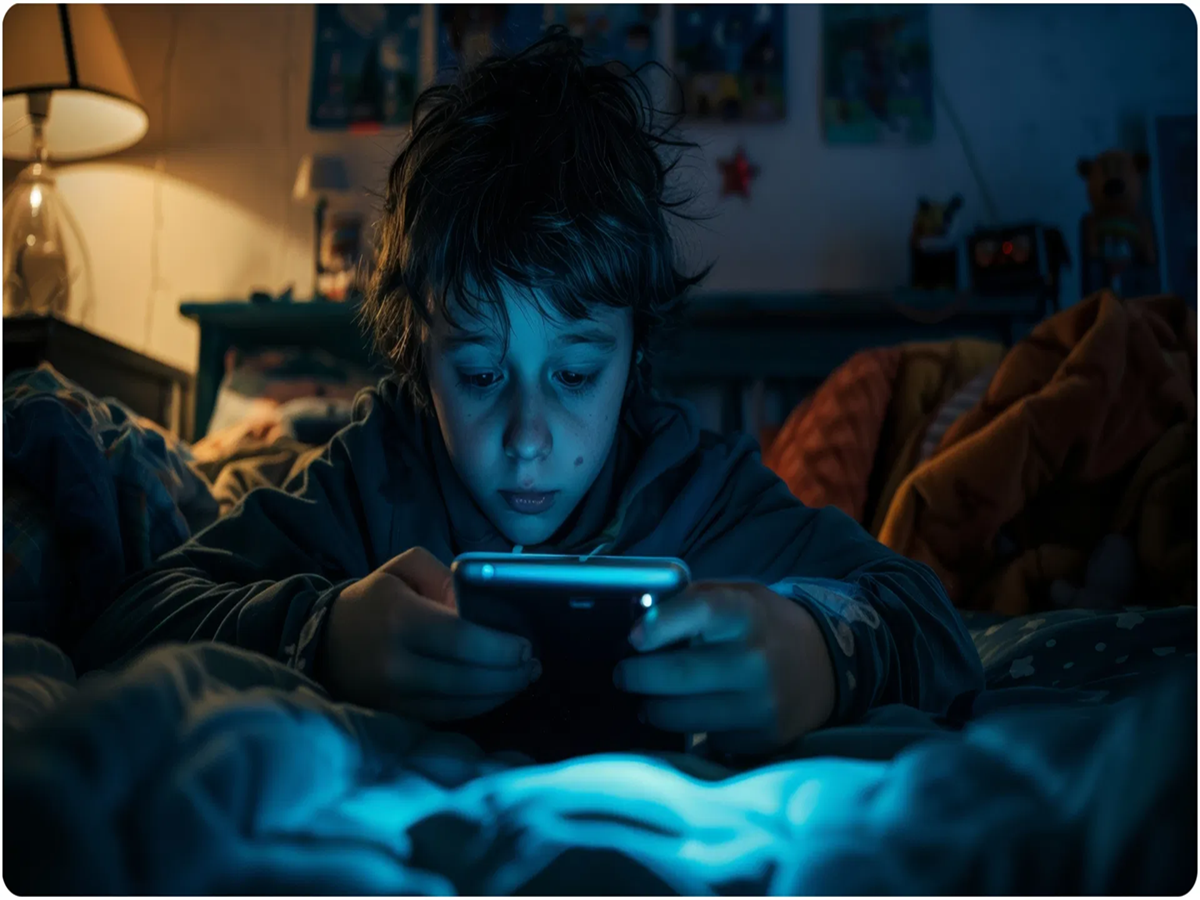
What is No Talk Time?
No talk time means an emotional and communicative distance between parents and children, even while living under the same roof. During mealtimes, after school, or before bedtime, when conversations should be happening, everyone is busy with their mobile phones or work. Children want to ask questions, they want to share their thoughts, but there is no one to listen to them.
Why is No Talk Time More Dangerous?
Screen time can be limited, but if children's feelings remain suppressed, the impact lasts for a long time. Lack of communication makes children feel lonely and unheard. Gradually, they start distancing themselves from their parents and stop sharing their feelings.
Impact on Children's Mental Health
No talk time silently harms children's mental health. Such children may become more irritable, experience a lack of self-confidence, fail to learn to identify and express their emotions, and may suffer from stress and anxiety. When children are not heard at home, they start looking for understanding and belonging in the wrong places outside the home.
Deep Impact on Relationships:
Conversations with parents during childhood form the emotional foundation of children. Due to no talk time, a lack of trust develops between parents and children. This distance increases further during adolescence, leaving parents unaware of what is happening in their children's lives.
Impact on Learning and Thinking Abilities
Conversation strengthens children's ability to think, ask questions, and make decisions. When there is no communication, children's linguistic abilities and critical thinking are also affected. They don't learn to express themselves properly.
What should parents do?
Ending "no talk time" isn't difficult; it just requires a little awareness.
Spend at least 15-20 minutes every day with your children without phones.
Ask them about their day and listen attentively.
Instead of immediately scolding them for mistakes, try to understand.
Make conversation a habit before bedtime.
Don't take your children's feelings lightly.
Connection is more important than screen time.
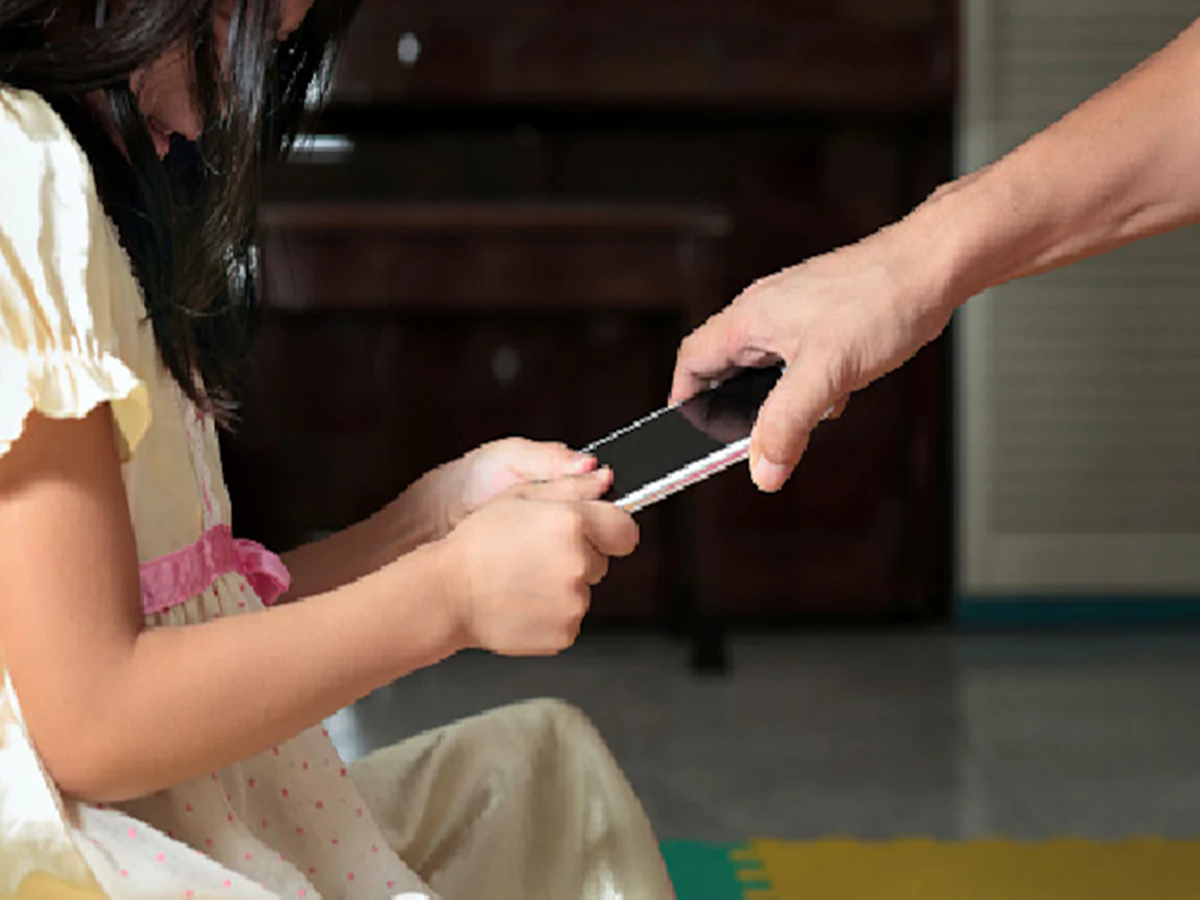
The most important thing for children is not distance from mobile phones, but closeness to their parents. When there is conversation at home, screen time automatically becomes limited. Children learn what they see.
It's important to be wary of screen time, but ignoring "no talk time" is even more dangerous. Children need listening ears and understanding hearts the most.
PC Social Media