
Parenting
Parenting Tips: These 5 things are like nectar for growing children; start feeding them today..
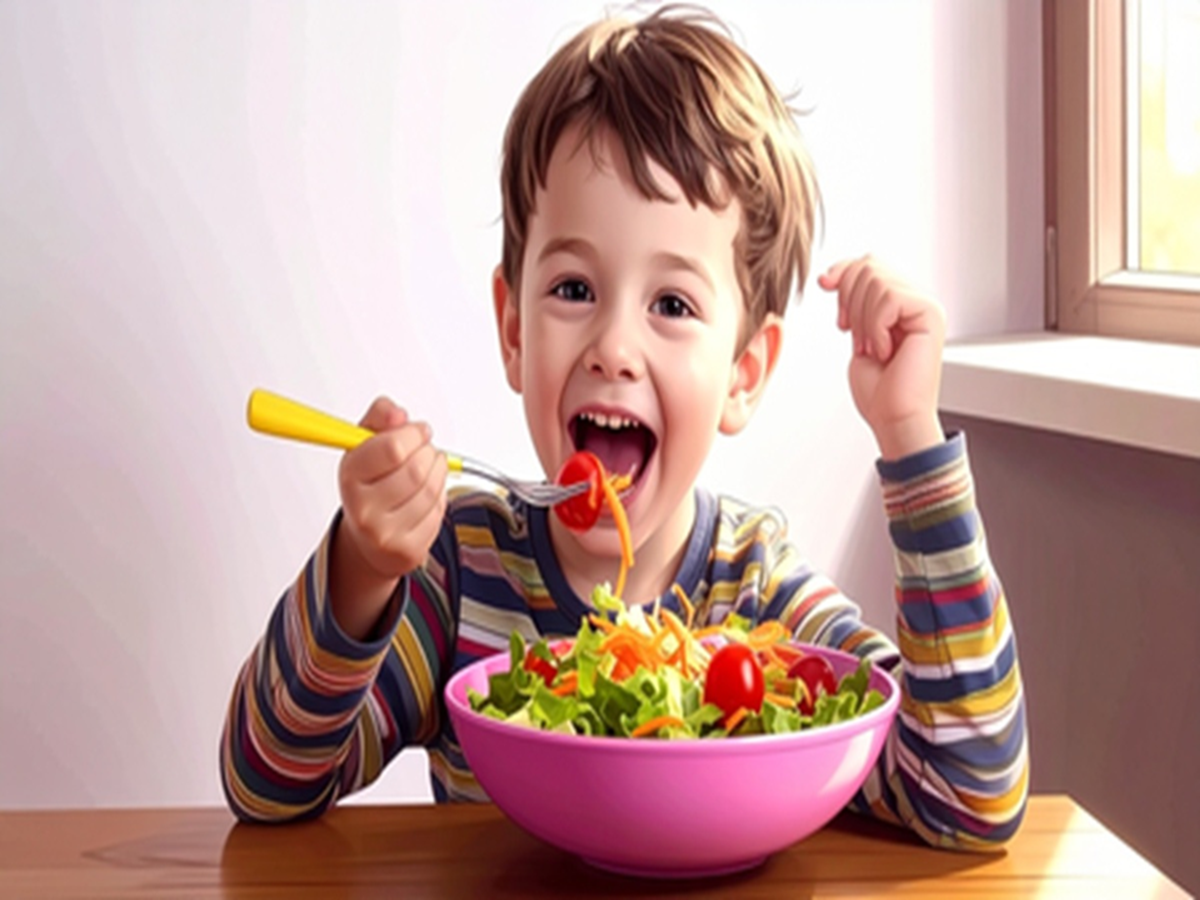
Brain Foods for Kids: The age range of 5 to 12 years is considered the most crucial phase for a child's physical and mental development. During this time, children grow rapidly; their bones strengthen, muscles develop, and their brain's learning capacity expands quickly. Proper nutrition at this age lays the foundation for their lifelong health and mental acuity. However, junk food has increasingly become part of children's eating habits today. Therefore, it is essential to understand what a child's diet should look like at this age to ensure their development proceeds in the right direction. Let’s explore what should be included in the diet of children aged 5 to 12...

**Protein is the Top Priority**
Children's bodies primarily require protein for growth. Protein helps build body cells and strengthen muscles. Including sources such as lentils, milk, yogurt, paneer (cottage cheese), eggs, soy, chickpeas, or chicken in a child's diet fosters better physical development. Research indicates that children who regularly consume adequate protein exhibit superior growth and physical strength compared to others.
**Rapid Bone Strengthening**
For children aged 5 to 12, calcium and Vitamin D are considered vital for bone development alongside protein. Since bones strengthen rapidly during this age, foods like milk, yogurt, paneer, and ragi are essential. Spending some time in the sun also helps the body produce Vitamin D, which strengthens bones and reduces the risk of future issues like weakness or pain.
**Strengthening the Immune System**
Fruits and vegetables are crucial for the brain health and immune systems of children aged 5 to 12. The vitamins, minerals, and fiber they contain strengthen the body from within. Children who regularly eat a variety of fruits and vegetables have better immunity and fall ill less frequently. Additionally, their concentration and learning abilities are enhanced. Whole Grains for Energy
Whole grains—such as wheat, oats, cracked wheat (dalia), brown rice, and multigrain foods—are excellent sources of energy. They release energy gradually, helping children stay active and maintain their concentration for longer periods. Experts recommend giving children whole grains instead of refined flour. Healthy fats are also considered essential for brain development; the nutrients found in almonds, walnuts, peanuts, and seeds help boost children's memory and learning abilities.

Supports Brain Function
Staying hydrated is equally important. Adequate water intake is crucial for maintaining the body's balance, as it supports digestion, energy levels, and brain function. Conversely, sugary and carbonated drinks can be harmful to children's health, so their consumption should be limited.
PC Social Media