Parenting
Parenting: Whether it's school or other activities, keep kids safe in the online world—5 easy ways..
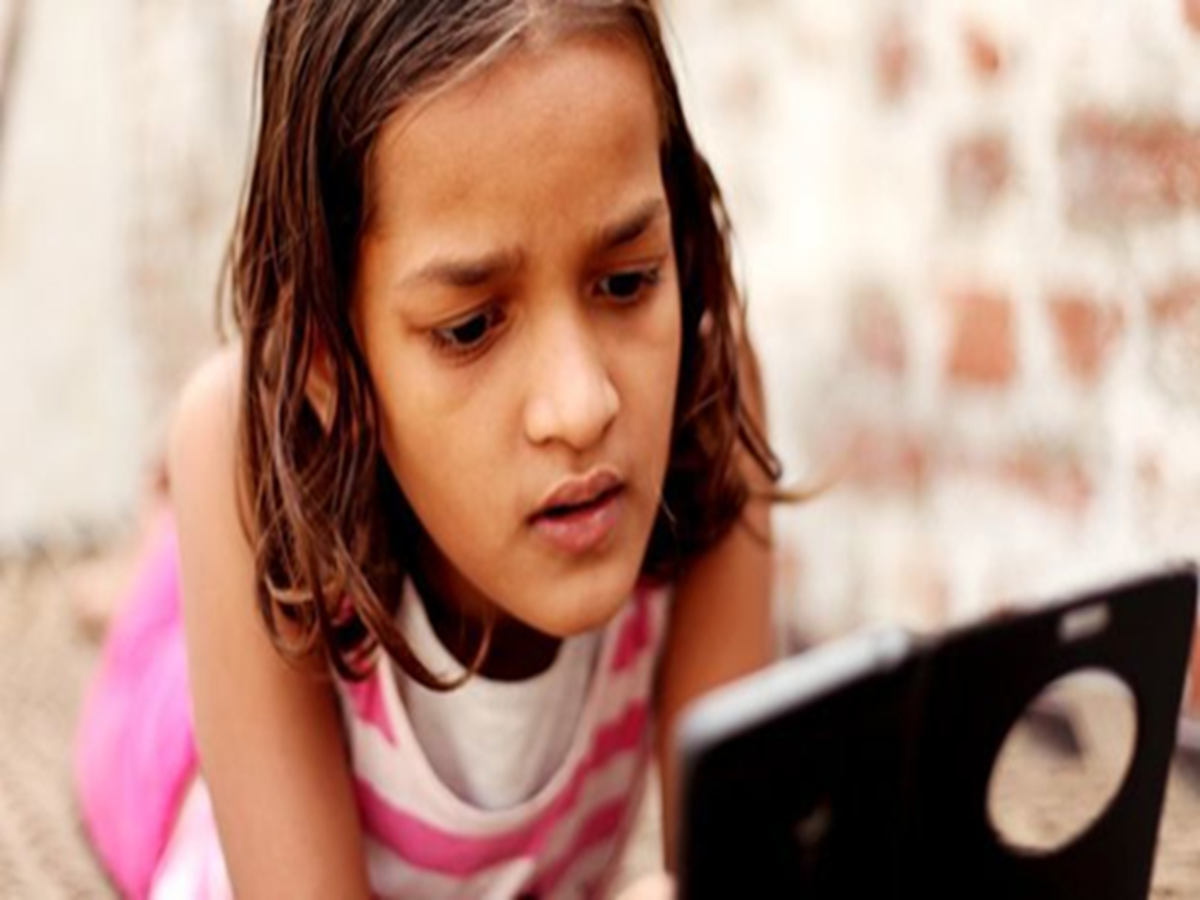
Digital Parenting Advice: Nowadays, children use the internet for everything—from schoolwork to entertainment. As children grow older, the amount of time they spend online also increases. Connecting with friends, learning new things, and pursuing interests online is wonderful, but it also comes with various risks. Parents need to ensure that their children's online experiences remain safe and positive. The United Nations International Children's Emergency Fund (UNICEF) suggests five simple strategies that can protect children from online dangers and help them lead a healthy digital life.

**Establish Clear Online Rules:** Talk openly with your children about who they communicate with online, what they share, and who can view their posts. Explain to them that anything posted online—whether it be photos, videos, or comments—leaves behind a permanent "digital footprint." Teach children never to make discriminatory, offensive, or hurtful remarks toward others. Instruct them to immediately inform their parents if they ever feel troubled, frightened, or uncomfortable while online. Additionally, establish clear guidelines regarding the time, location, and manner in which electronic gadgets are used.
**Leverage Technology for Safety:** Ensure that your child's phone or tablet is always kept up to date. Keep privacy settings enabled to prevent unauthorized individuals from accessing their personal information. Cover webcams when they are not in use. For younger children, utilize parental controls and "Safe Search" features. Advise your children never to share personal details—such as their name, photos, home address, or school—with anyone online. Exercise caution when using free online resources or applications.
**Spend Time Online with Your Children:** Sit down with your children to play games, watch videos, and engage in conversation online. This allows you to monitor their activities and helps you guide them in avoiding misinformation, fake news, and inappropriate content. Teach them how to identify advertisements and how to steer clear of negative messaging. Assist them in selecting age-appropriate apps and games. Set a Good Example Yourself – Children learn by observing their parents or the elders in the household. Therefore, adopt good online habits yourself. Exercise caution when sharing photos or videos of your children. Encourage them to speak politely, respect others, and post positive comments. If your child begins to hide things online or appears distressed, talk to them openly. Reassure them that if any problem arises, they can tell you without fear.
Let Them Have Fun and Express Themselves – The internet serves as an excellent medium for children to foster creativity, learn, and express their views. Encourage them to use platforms where they can acquire new skills aligned with their interests. Encourage them to engage with online exercise videos or play active games. However, remember that maintaining a healthy balance between online time and offline sports or family time is essential. Throughout this process, parents should play an active role.

How to Report Cyberbullying? In today's digital age, a primary concern for most parents is that their children remain immersed in their phones, tablets, or laptops throughout the day. Online games, social media, and video platforms captivate children to such an extent that they begin to disconnect from the real world. To ensure your children's online safety, stay informed about your school's digital policies and local helplines. Also, teach them how to report instances of cyberbullying or inappropriate content.
PC Social Media