LIFESTYLE
Planning a Tulsi Vivah? Learn about the essential items needed for the ritual—from adornments and flowers to other worship materials..
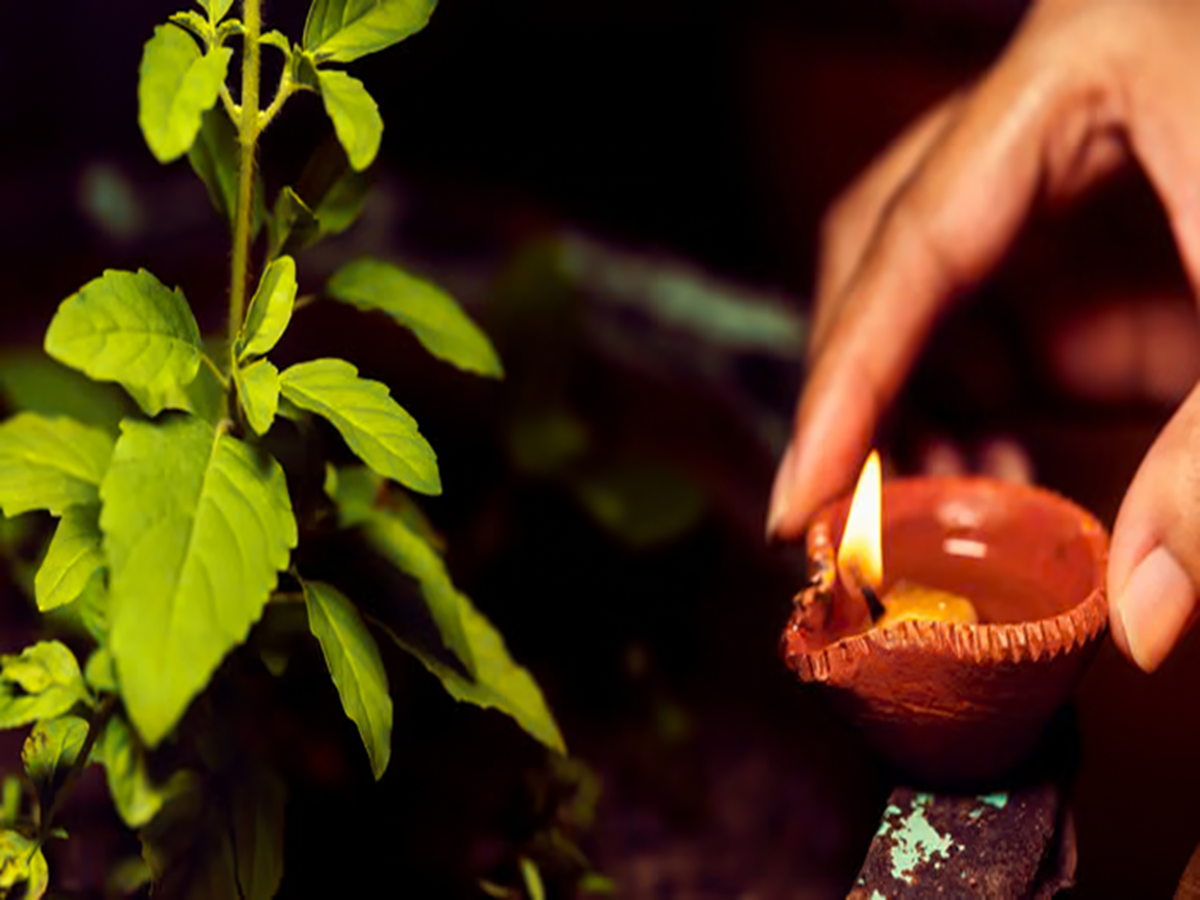
Tulsi Vivah Samagri (Ritual Items) List: In Hinduism, Tulsi Vivah holds special religious significance. It is believed that performing Tulsi Vivah yields merit (punya) equivalent to that of 'Kanyadaan' (the ritual of giving away one's daughter in marriage). Furthermore, it is said to invoke the special blessings of Goddess Lakshmi and Lord Vishnu. According to the Hindu calendar (Panchang), Tulsi Vivah is traditionally performed on the Dwadashi Tithi (the twelfth day) of the bright fortnight (Shukla Paksha) in the month of Kartika. In some regions, however, there is also a tradition of performing it on the Ekadashi Tithi (the eleventh day). If you are planning to perform Tulsi Vivah at home this year, let us look at the ritual items (samagri) required for the ceremony.
Tulsi Vivah 2026
As per the Hindu calendar, Tulsi Vivah is observed on the Dwadashi Tithi of the bright fortnight in the month of Kartika. This year, the Dwadashi Tithi will begin at 06:31 AM on November 21, 2026, and conclude at 04:56 AM on November 22, 2026. Based on the 'Udaya Tithi' (the sunrise-based date), Tulsi Vivah will be celebrated on Saturday, November 21, 2026. Alternatively, if you wish to perform the ceremony on 'Devutthana Ekadashi' (Devutthani), it can be done on November 20, 2026.
Worship Materials (Pujan Samagri) for Tulsi Vivah
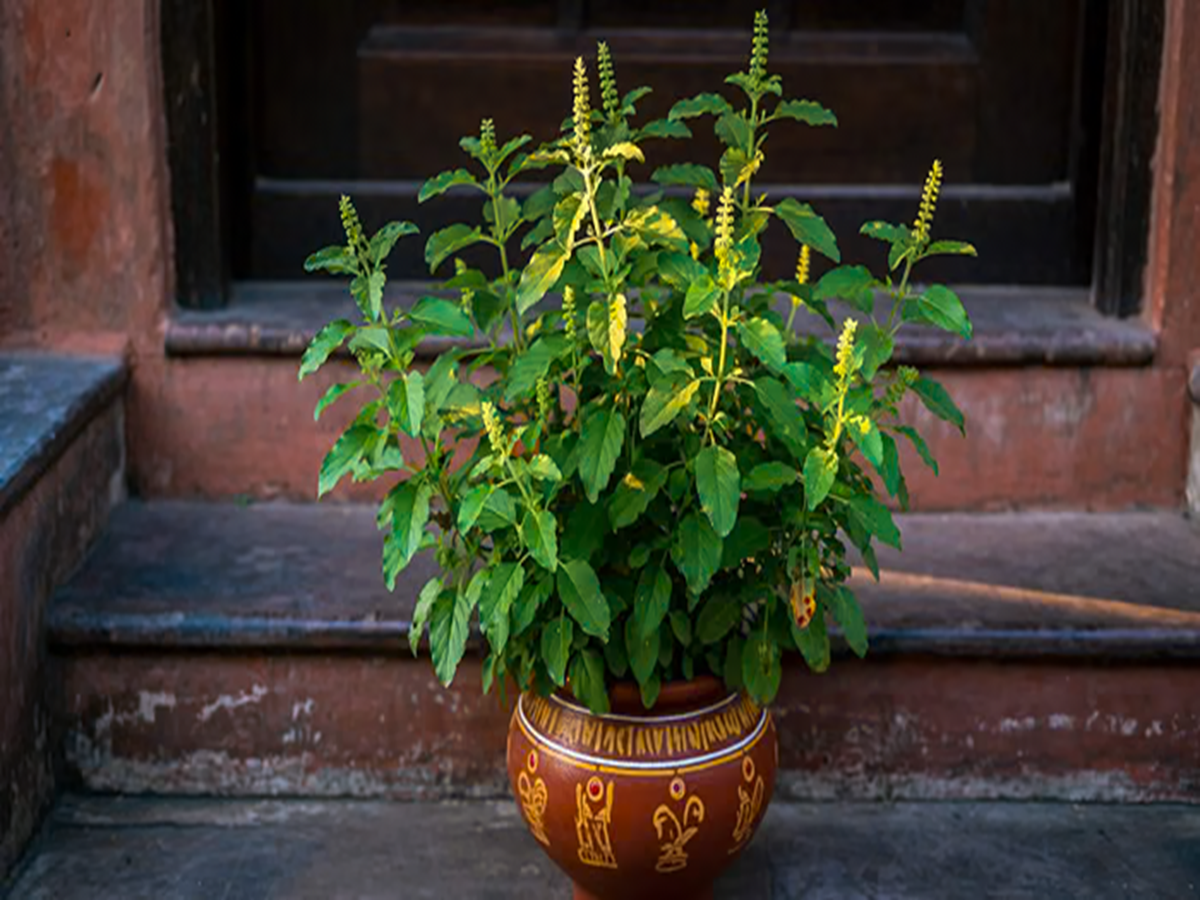
Tulsi plant and a pot (gamla)
Idol of Lord Vishnu or a Shaligram
Red, yellow, or *chunari*-patterned cloth
A small platform (*chowki*) and a mat (*aasan*) for the ritual
Sugarcane stalks and banana leaves for decorating the *mandap* (canopy)
Coins for *dakshina* (offering) and ritual use
Sweets (*mishtanna*) for *prasad* and *bhog* (offerings)
Items for the adornment (*shringar*) of Mother Tulsi
Yellow-colored clothing for Lord Vishnu
A *kalash* (ceremonial pot) and mango leaves
Flowers, garlands, and Tulsi leaves
Fruits, sweets, and *panchmeva* (a mix of five types of dry fruits/nuts)
Coconut and turmeric rhizomes
*Roli*, *kumkum*, *akshat* (unbroken rice grains), and sandalwood paste
Ganga water and pure water
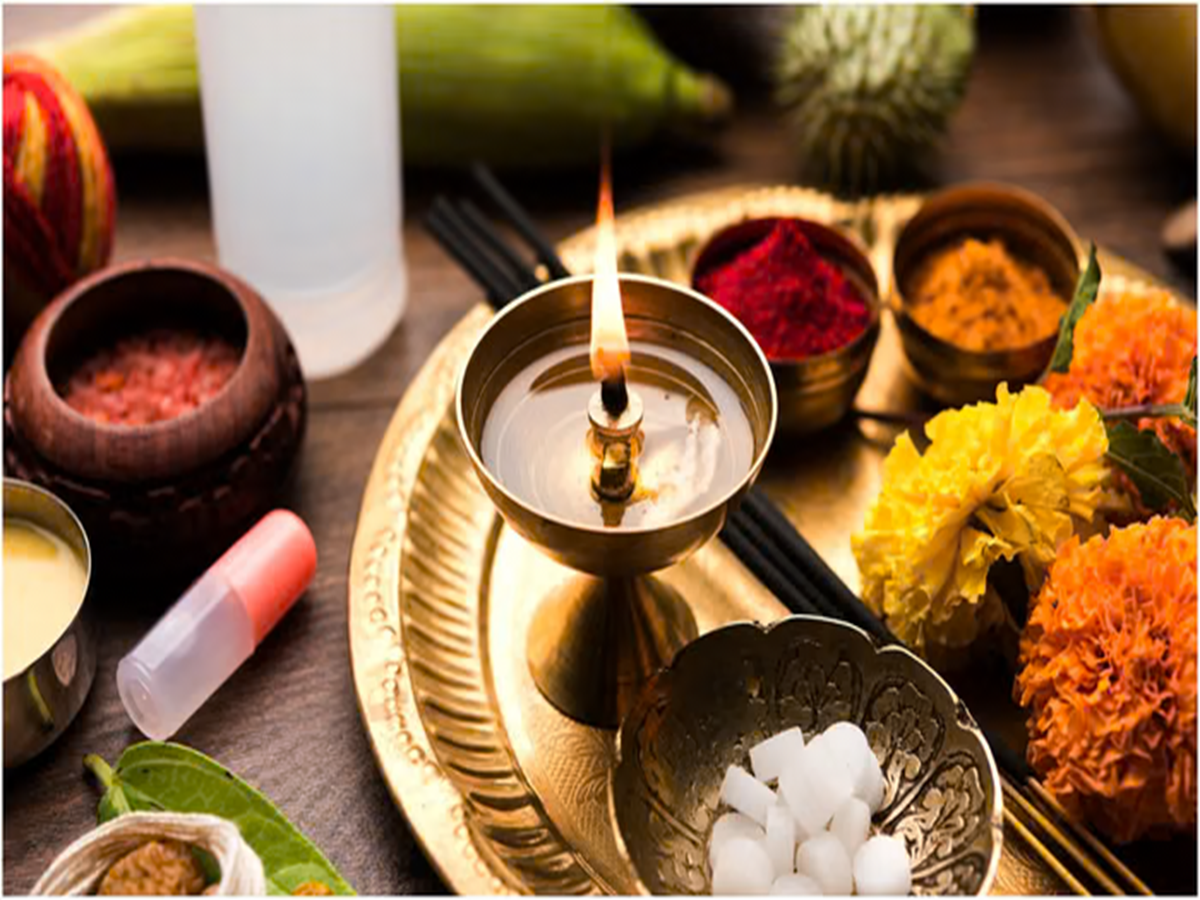
Incense (*dhup*), *diya* (lamp), camphor, and *ghee* (clarified butter)
Cotton wicks and incense sticks (*agarbatti*)
Betel leaf (*paan*), betel nut (*supari*), and cloves
*Kalava* (sacred thread) and *janeu* (sacred thread worn across the torso)
*Panchamrit* (a mixture of five sacred ingredients)
Auspicous Timings (*Shubh Muhurat*) for Tulsi Vivah 2026
*Pradosh Kaal* (evening twilight period) for worship: 5:25 PM to 7:49 PM
*Brahma Muhurat* (early morning period): 4:40 AM to 5:30 AM
*Abhijit Muhurat* (midday period): 11:42 AM to 12:28 PM
*Godhuli Muhurat* (dusk/sunset period): 5:25 PM to 6:13 PM
PC Social Media