LIFESTYLE
Pradosh Vrat July 2026: A remarkable convergence of Shivratri and Ravi Pradosh—triple the benefits from a single fast..

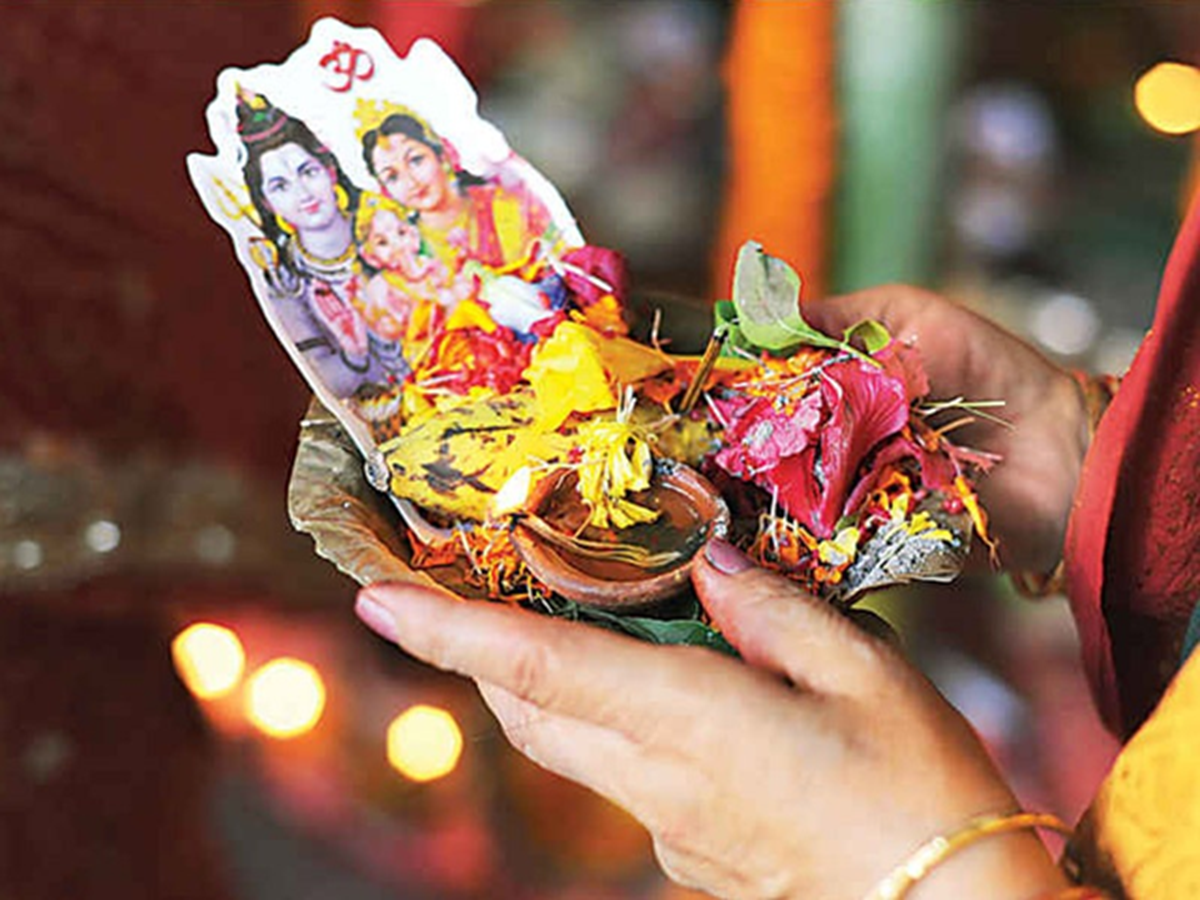
Pradosh Vrat July 2026: A remarkable coincidence of Shivratri occurs on the first Pradosh Vrat of July. By observing a single fast on this day, you can reap threefold the spiritual merit. Along with the abundant grace of Lord Shiva, you will also receive the blessings of the Sun God. Consequently, Sunday, July 12, is a day of immense spiritual significance. Observing the fast and performing worship on this day will help alleviate your troubles, sorrows, and sins, while also fulfilling your heartfelt wishes.
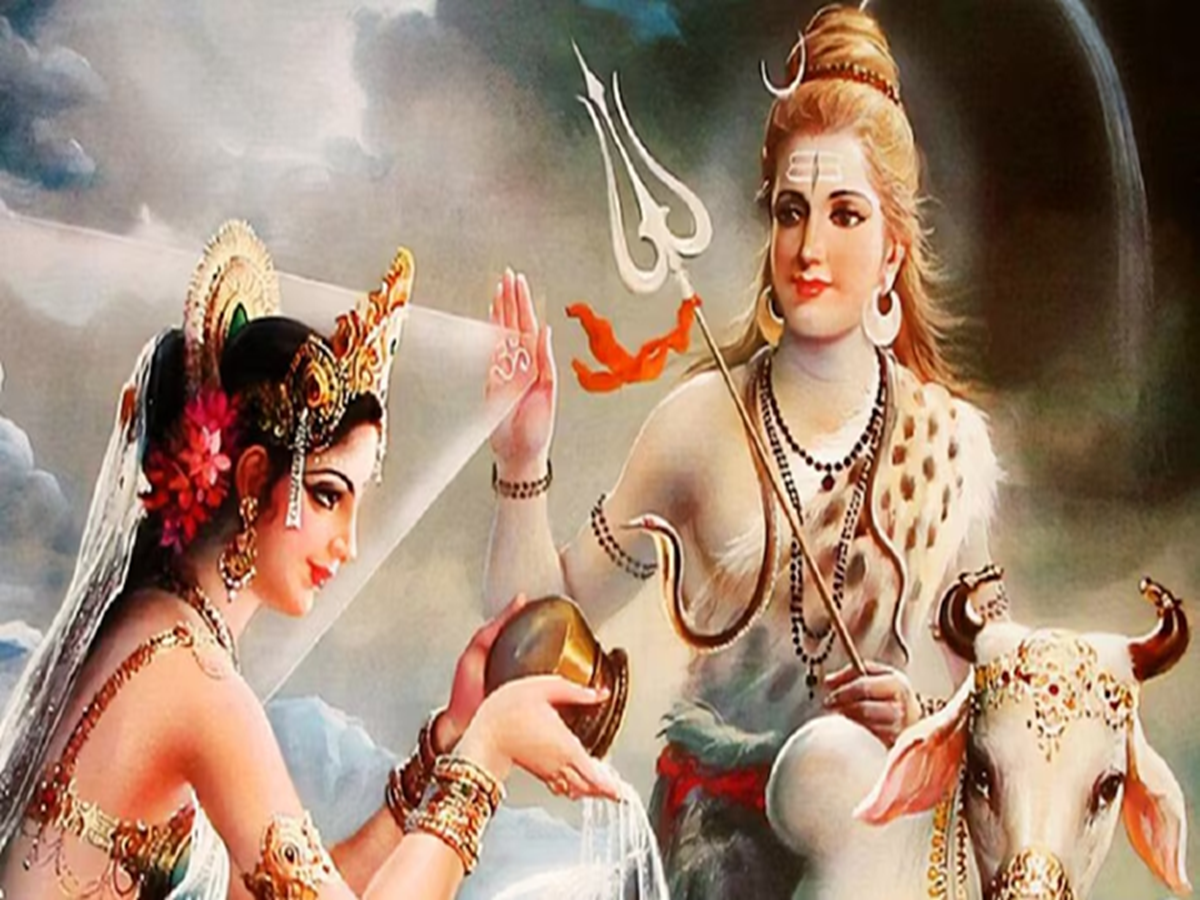
**Auspicious Confluence of Ravi Pradosh and Ashadha Shivratri**
Ravi Pradosh Vrat (Pradosh Vrat falling on a Sunday) and Ashadha Shivratri coincide on Sunday, July 12. According to the *Panchang* (Hindu almanac), the *Ashadha Krishna Trayodashi Tithi* (13th day of the dark fortnight of Ashadha) prevails from 2:04 AM to 10:29 PM on July 12; thereafter, the *Ashadha Krishna Chaturdashi Tithi* (14th day) begins and continues until 6:49 PM on the following day, Monday, July 13.
Based on the *Udaya Tithi* (sunrise date) and the *Pradosh Kaal* (evening twilight period), Pradosh falls on Sunday. Meanwhile, the observance of Shivratri relies on the calculation of the *Nishita Muhurat* (the auspicious time around midnight); based on this, the *Nishita Muhurat* within the *Ashadha Krishna Chaturdashi Tithi* falls on July 12 itself. Therefore, the fasts for both Ravi Pradosh and Ashadha Shivratri will be observed together on July 12.
**Threefold Benefits from a Single Fast**
By observing a fast on July 12, you can gain threefold benefits. In addition to the merits of Pradosh and Shivratri, you will also receive the benefits associated with the Sunday fast. To observe this, wake up early in the morning, complete your ablutions (bath, etc.), and wear clean clothes. Then, first make a solemn vow (*Sankalp*) to observe the fast and perform the worship.
Next, worship Lord Surya (the Sun God) at sunrise and offer *Arghya* (water oblation) to Him. Chant the Surya Mantra. Afterward, visit a Shiva temple or perform *Jalabhishek* (ritual bathing with water) of Lord Shiva at home. Perform the Shivratri *Puja* using offerings such as *Belpatra* (wood apple leaves), *Bhang*, *Dhatura*, *Akshat* (unbroken rice grains), sandalwood paste, honey, flowers, and garlands.
Finally, perform the Pradosh Vrat worship in the evening after sunset. During this ritual as well, worship Mahadev (Lord Shiva) according to the prescribed rites. Worship for the Pradosh Vrat is always performed in the evening, whereas the Shivratri fast does not have this restriction; you may perform the worship of Lord Shiva at any time you wish. In this way, you can accrue the spiritual merit of three fasts through a single observance.
**Auspicious Timings (Muhurat) for Ravi Pradosh and Ashadh Shivratri**
Auspicious time for Pradosh worship: Today, from 7:22 PM to 9:24 PM
Shivratri worship timing: From 7:15 AM to 12:27 PM
**Auspicious Timings for July 12**
Brahma Muhurat: From 4:10 AM to 4:51 AM
Abhijit Muhurat: From 11:59 AM to 12:54 PM
Labh-Unnati Muhurat (Gain/Progress): From 8:59 AM to 10:43 AM
Amrit-Sarvottam Muhurat (Best/Nectar-like): From 10:43 AM to 12:27 PM
Shubh-Uttam Muhurat (Auspicious/Excellent): From 7:22 PM to 8:38 PM
Amrit-Sarvottam Muhurat (Best/Nectar-like): From 8:38 PM to 9:54 PM
**Fasting during two auspicious Yogas**
On July 12, all three of these fasts coincide with two auspicious Yogas. On this day, *Vriddhi Yoga* will prevail from the morning until 8:06 PM, followed by *Dhruva Yoga*. Tasks undertaken during *Vriddhi Yoga* lead to growth and expansion, whereas *Dhruva Yoga* is ideal for tasks requiring stability or permanence.
PC Social Media