LIFESTYLE
Should Karwa Chauth puja be performed in the morning or evening? Learn the fasting rules and important points for husbands..
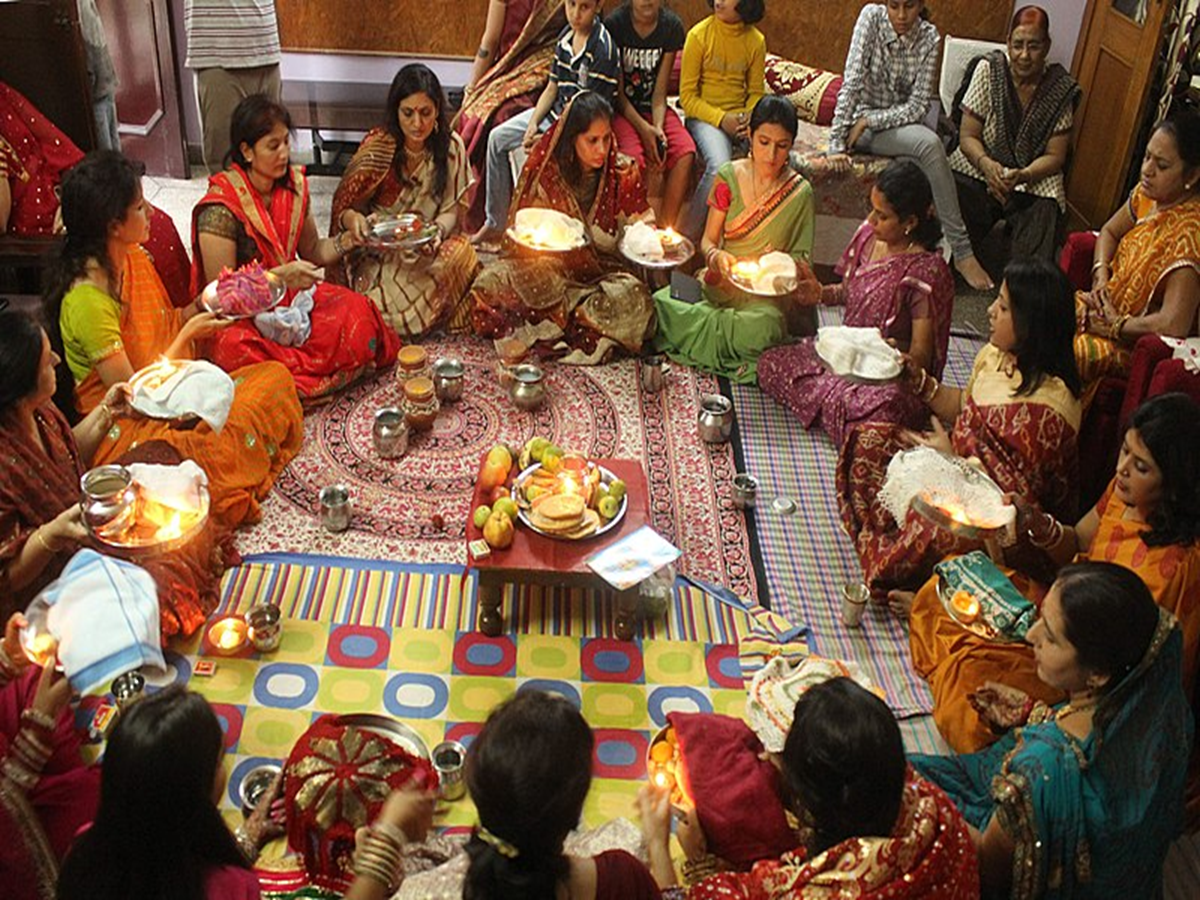
Karwa Chauth 2026 Rules: Married women observe the Karwa Chauth fast for the long life of their husbands and a happy marital life. This is a *nirjala* (waterless) fast. The fast begins at sunrise on the day of Karwa Chauth and concludes with *paran* (breaking the fast) after moonrise. In some regions, the fast is observed from sunrise until sunrise the following day.

Those observing the Karwa Chauth fast for the first time should familiarize themselves with the rules regarding the fast and the *puja* (worship). For instance, should the *puja* be performed during the day or in the evening? Is it permissible to consume fruits during a *nirjala* fast? Let us explore the rules of Karwa Chauth.
Rules for Karwa Chauth
If you are observing the Karwa Chauth fast for the first time, please note that the ritual involves worshipping Goddess Gauri, Lord Ganesha, and Lord Shiva. Goddess Gauri is the embodiment of eternal marital bliss (*akhand saubhagyavati*); it is through her grace that one is blessed with such good fortune.
The Karwa Chauth fast lasts for more than 12 hours, spanning from sunrise until moonrise.
No water is consumed during the fast, which is why it is termed a *nirjala* (waterless) fast. One must abstain from water for 12 to 13 hours—specifically, until the moon has been worshipped and an *arghya* (offering of water) has been made.
Some may wonder: if water is prohibited, is it permissible to consume fruits or other food items? Since the consumption of water is forbidden, it follows that consuming fruits, milk, or other edibles is also not permitted. You are not to consume anything during this fast.
If you are observing this *nirjala* fast for your husband, it is appropriate for him to support you—either by observing a fast himself or by adhering to a *satvik* (pure/simple) diet.
If you are unwell or pregnant, there are relaxations regarding the rules of the fast. You may observe the fast while consuming fruits, water, milk, or similar items. You might feel a sense of guilt, fearing that this could be considered a transgression or a flaw in your observance, but that is not the case. God yearns for devotion, not for your rituals. These rituals were established because, in the Kali Yuga, it is not possible to perform the rigorous penance (tapas) that was practiced in the Satya Yuga or Treta Yuga; thus, through strict fasts and observances, one can still attain spiritual merit.
There is a tradition of consuming 'Sargi' before beginning the fast. On Karwa Chauth, one should eat items like fruits, yogurt, or *poha* before sunrise. You may also consume coconut, tea, or coffee. Following this, your *nirjala* (waterless) fast begins at sunrise.
The Karwa Chauth *puja* (worship) is performed in the evening. After sunset, the *Pradosh Kaal* begins; during this time, Goddess Gauri, Lord Ganesha, and Lord Shiva are worshipped.
At the time of moonrise, the women observing the fast should offer *arghya* (a ritual offering) to the moon. Only after this should they break their fast by accepting water from the hands of their spouse. Those who follow the tradition of breaking the fast after sunrise the following day should proceed accordingly.
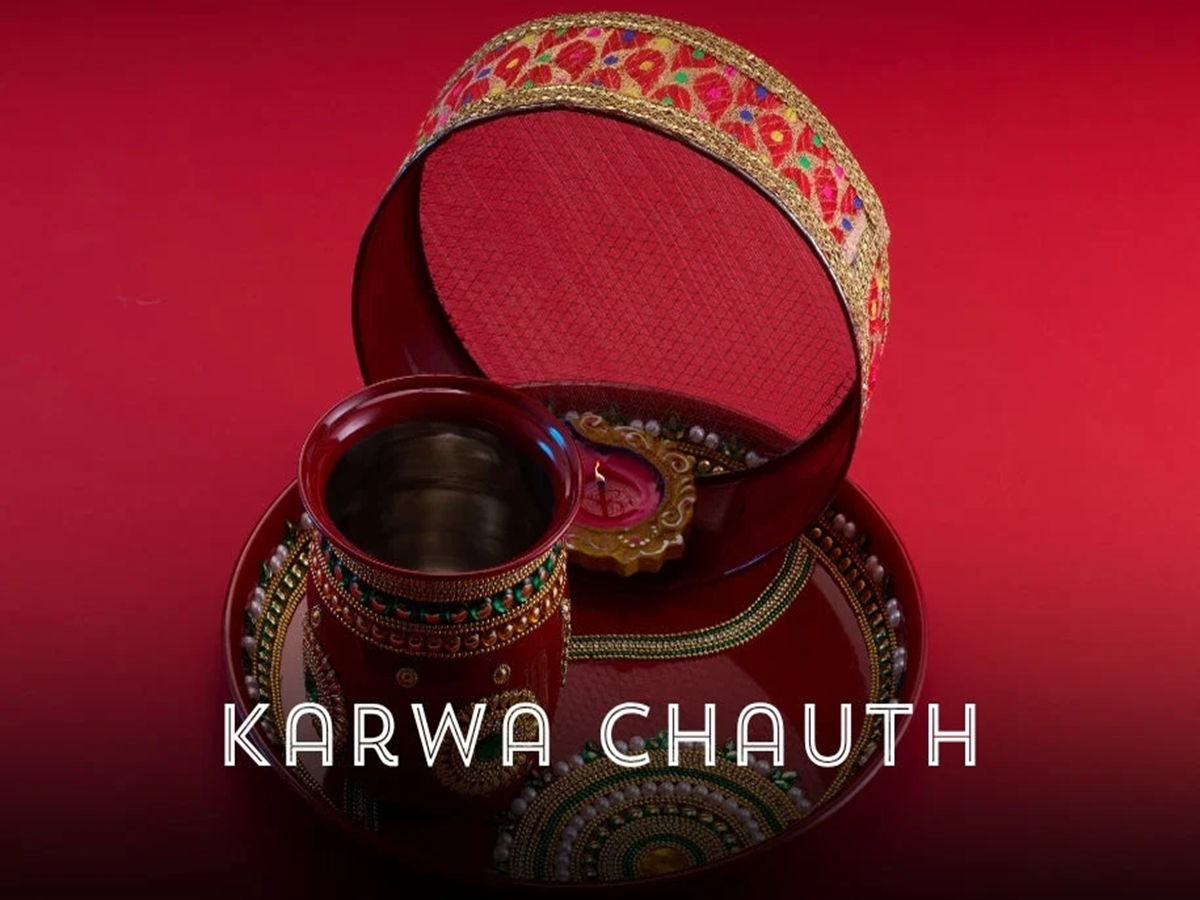
How long will the fast last on Karwa Chauth 2026, and at what time is the *puja* performed?
In 2026, women observing Karwa Chauth will observe a *nirjala* (waterless) fast lasting 13 hours and 46 minutes. The Karwa Chauth *puja* is conducted in the evening during the *Pradosh Kaal*, involving the worship of Goddess Gauri, Lord Ganesha, and Lord Shiva.
Can one consume fruits or water during the *nirjala* fast of Karwa Chauth?
Which deities should women who are observing the Karwa Chauth fast for the first time worship?
PC Social Media