LIFESTYLE
Side effects of high cholesterol: Can have a serious impact on everything from the heart to the kidneys..
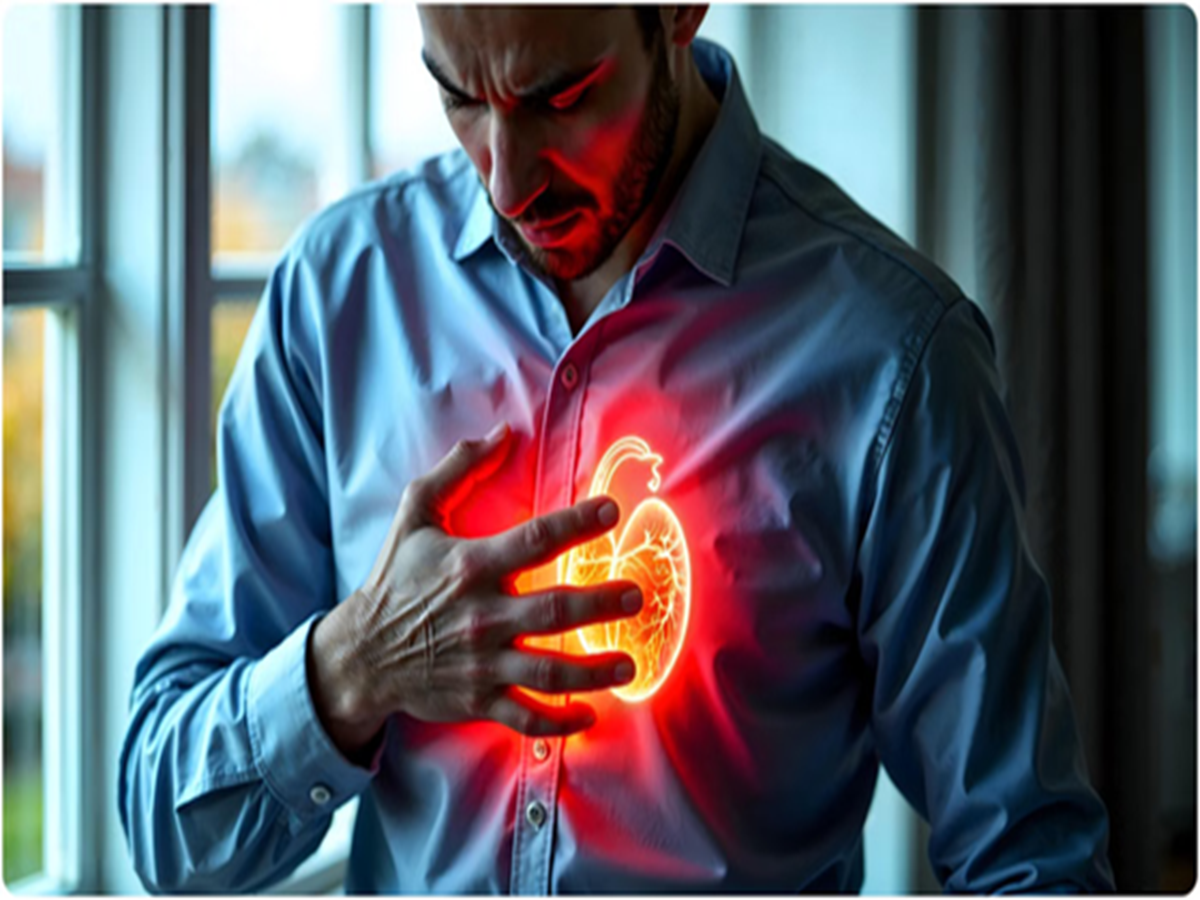
Side Effects of High Cholesterol: The problem of high cholesterol is rising rapidly due to today's fast-paced lifestyle, poor diet, and a lack of physical activity. Cholesterol is a fat-like substance essential for the body, but excessive levels can pose a serious health risk.

The issue is that high cholesterol is often called a "silent killer" because clear symptoms do not appear in the early stages. However, when levels of "bad" cholesterol (LDL) rise significantly, it accumulates in the arteries and begins to impede blood flow. In such cases, it is crucial to recognize certain warning signs the body exhibits. Let us explore the symptoms of high cholesterol, its side effects, and ways to prevent it.
Symptoms of High Cholesterol
Chest pain
Cholesterol buildup in the arteries can affect blood flow, leading to a sensation of chest pain or pressure.
Shortness of breath
Difficulty breathing can occur when the heart does not receive sufficient blood and oxygen.
Feeling fatigued easily
Experiencing extreme fatigue even during routine activities can be a sign of high cholesterol.
Leg pain or cramps
Impaired blood circulation can cause pain, numbness, or cramps in the legs.
Yellow spots on the skin
Some people may develop yellow fatty deposits around their eyes or on their skin.
Side Effects of High Cholesterol
Increased risk of heart disease
When levels of "bad" cholesterol (LDL) rise, it begins to accumulate on the walls of the arteries.
Over time, this buildup narrows and hardens the blood vessels, preventing adequate blood and oxygen from reaching the heart.
This significantly increases the risk of heart attacks, coronary artery disease, and other heart-related conditions.
Increased risk of stroke
High cholesterol can affect not only the heart but also the brain. When cholesterol accumulates in the arteries supplying blood to the brain, blood flow can be obstructed.
A complete blockage in an artery can lead to a stroke, which may prove fatal.
High Blood Pressure
Cholesterol buildup in the arteries impedes blood flow.
This forces the heart to work harder to pump blood, potentially raising blood pressure.
Prolonged high blood pressure can have serious effects on the heart, brain, and kidneys.
Impaired Kidney Function
The kidneys require adequate blood flow to function properly.
Cholesterol accumulation in the renal arteries can impair kidney function.
This increases the risk of kidney disease, and uncontrolled cholesterol levels over the long term can damage the kidneys.

Ways to Prevent High Cholesterol
Eat a balanced, low-fat diet.
Exercise regularly.
Avoid smoking and alcohol.
Maintain a healthy weight.
Undergo periodic lipid profile tests.
PC Social Media