
LIFESTYLE
Sleep Disturbance: Lack of sleep is the breeding ground for thousands of ailments—are you getting enough sleep? Here is how to find out..

Just as maintaining a proper lifestyle and diet is essential for keeping the body healthy, getting 7–9 hours of quality sleep every night is equally crucial. Sleep is not merely a time for rest; it is also a vital process through which the body repairs itself. If, for any reason, you fail to get a full night's sleep—even for just one night—you may begin to experience issues such as fatigue, lethargy, irritability, and headaches the following day. Furthermore, if this sleep-related problem persists frequently, it can increase the risk of various health complications, ranging from elevated blood pressure to numerous other physical ailments.
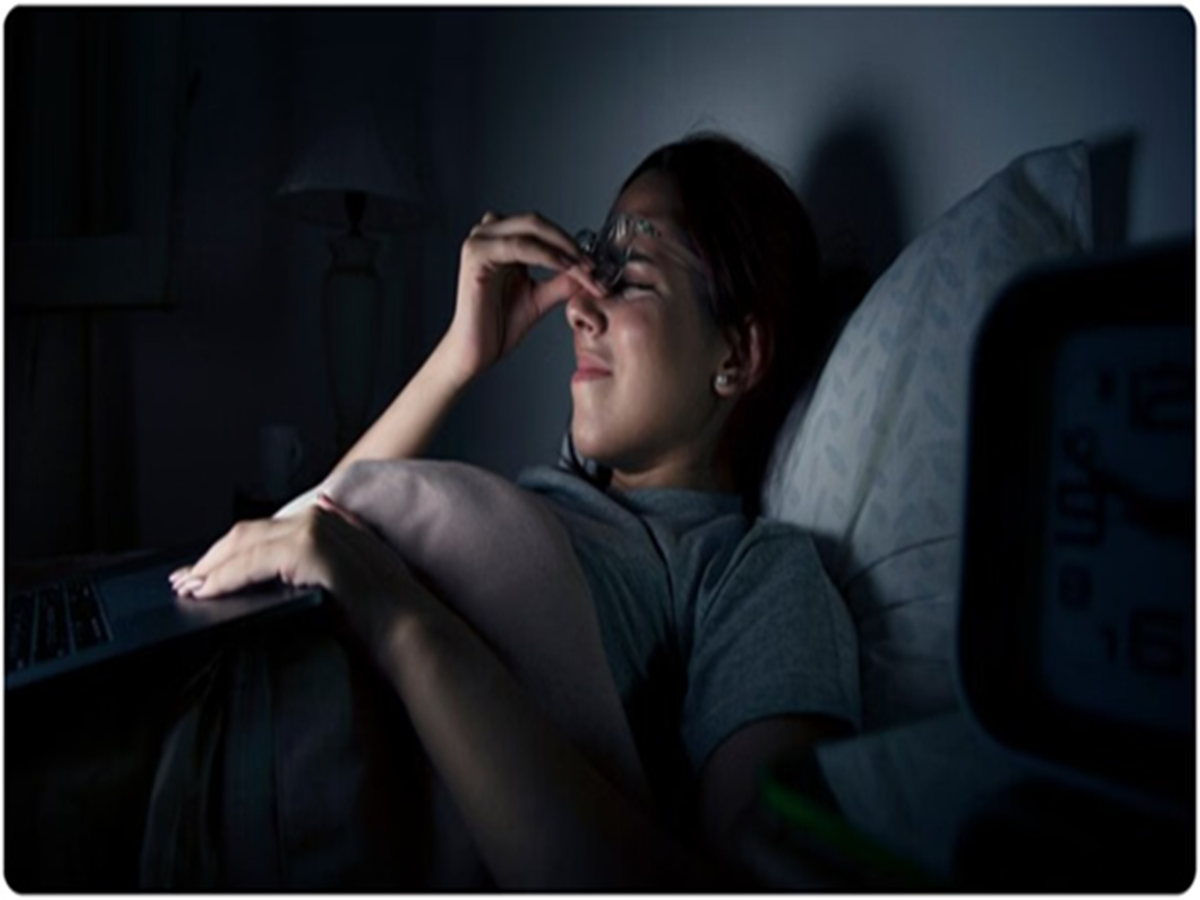
Individuals who consistently fail to get adequate sleep, or those suffering from conditions like insomnia, often begin to manifest the adverse effects of sleep deprivation. If you, too, are struggling with difficulties in falling asleep or obtaining quality rest, it is imperative that you consult a doctor to obtain an accurate diagnosis and appropriate treatment for the issue.
Let us explore the specific symptoms that manifest in the body when one does not get sufficient sleep.
**Sleep Deprivation Can Make You Sick**
Studies indicate that chronic sleep deprivation significantly increases the risk of developing high blood pressure, diabetes, obesity, depression, and cardiovascular diseases. During sleep, the body repairs cellular damage, eliminates toxins, and consolidates memories.
Individuals who are unable to get a good night's sleep often face difficulties in decision-making, experience irritability, and struggle to focus on their work during the day.
Sleep disorders frequently lead to persistent daytime fatigue, irregular breathing patterns, or a diminished capacity for concentration.
If you have been unable to get adequate sleep for several days, it may trigger behavioral issues, such as heightened irritability and increased anger.
**Impact on Mental Health**
Over time, individuals suffering from sleep disorders—particularly insomnia—may face an increased risk of developing mental health conditions. It is quite common for such individuals to experience anxiety and stress, which can further elevate their susceptibility to depression. Chronic sleep deprivation can adversely affect one's quality of life, in addition to contributing to obesity, diabetes, and heart disease.
In children, a lack of sleep can also lead to impaired learning abilities, memory issues, and personality changes.
Use these symptoms to determine whether you are getting adequate sleep:
Sleep deprivation manifests through both physical and mental symptoms. Physically, common signs include persistent fatigue, headaches, eye irritation, muscle aches, and frequent illness. Mental symptoms encompass irritability, mood swings, anxiety, sadness, and a lack of concentration. According to research, individuals who get insufficient sleep are at a higher risk of developing depression and anxiety.

If you experience two or more of these symptoms, you may be suffering from a sleep disorder:
Frequently dozing off while driving.
Falling asleep shortly after sitting down to watch TV or read.
Difficulty concentrating on work or studies.
A decline in work performance.
Others frequently remark, "You look sleepy."
Experiencing a memory decline.
Difficulty managing your emotions.
Experiencing excessive daytime sleepiness.
PC Social Media