
LIFESTYLE
That historic fort in Delhi where wishes are sought by writing letters to 'jinns'; a magnificent example of architecture..
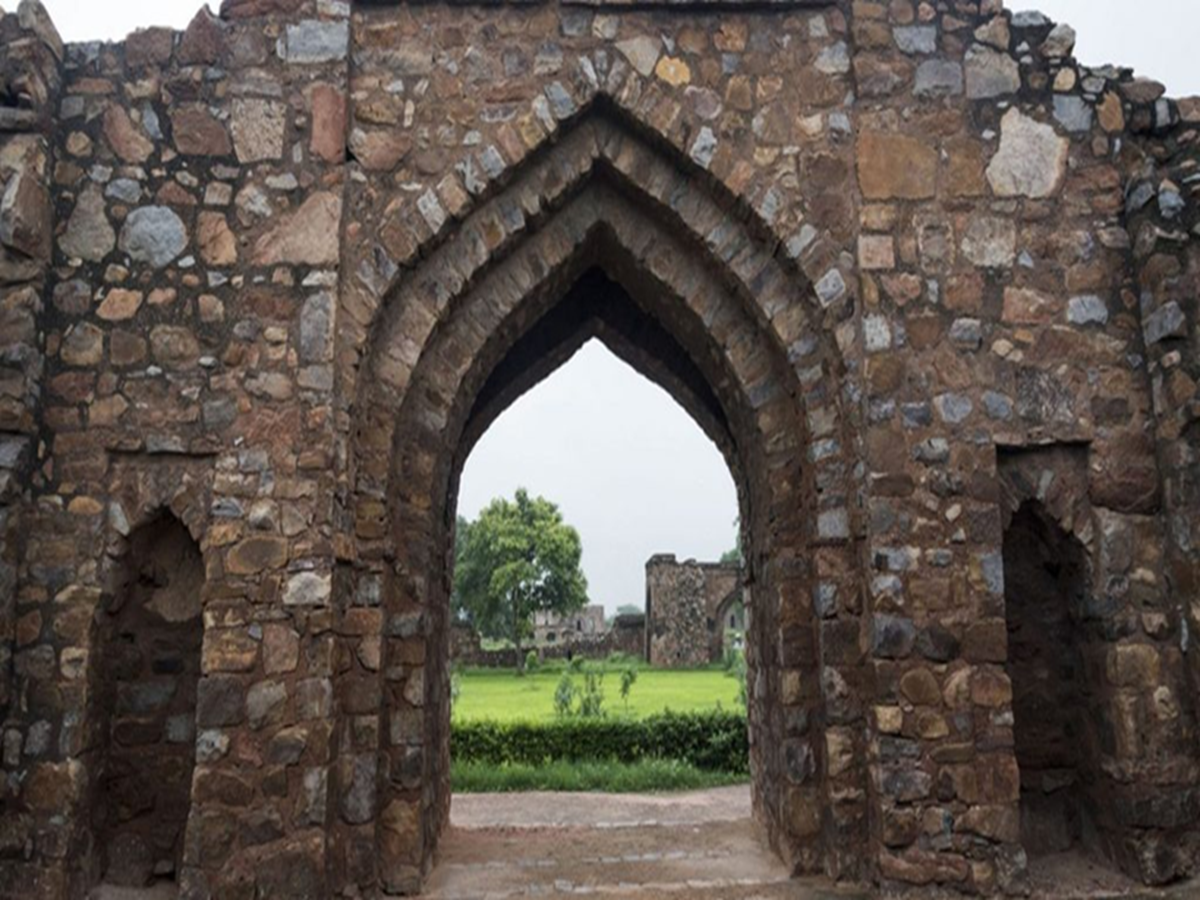
Do you know which city was the fifth city of Delhi? In the 14th century, when a severe water crisis struck Old Delhi, Sultan Firoz Shah Tughlaq made a major decision. Leaving the old capitals behind, he established an entirely new city on the banks of the Yamuna River—'Firozabad'.
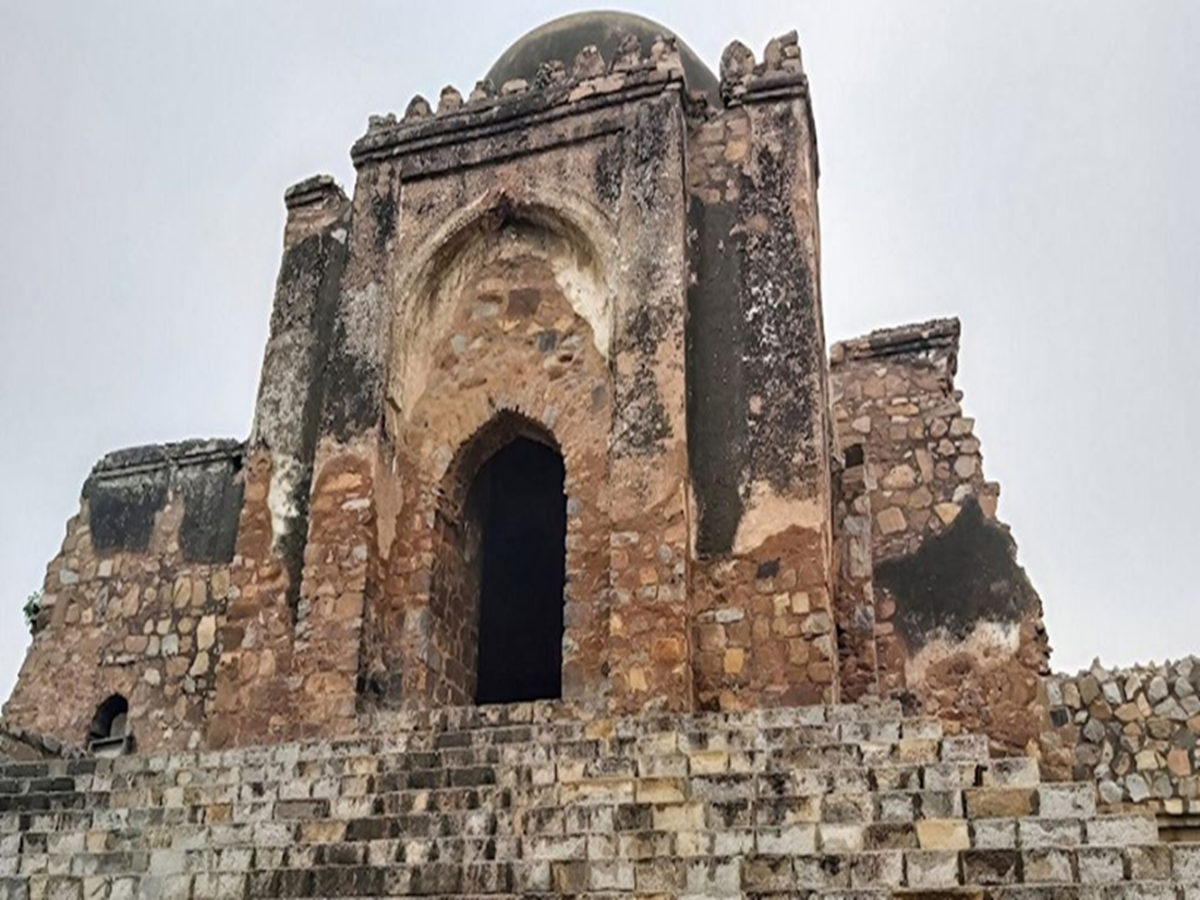
The heart and main stronghold of this city was 'Kotla Firoz Shah', known today as Firoz Shah Kotla. It is one of Delhi's oldest and most fascinating structures. Let us explore some lesser-known stories about this historic fort.
**Its Unique Design Captivated Even the Mughals**
Sultan Firoz Shah was always concerned with the welfare and protection of his subjects. Numerous inns, bridges, palaces, and towns were constructed during his reign. Known as 'Kushk-e-Firoz', this fort stands as a magnificent example of architecture.
This polygonal fort, featuring sturdy walls built from rubble, was the first to be divided into specific sections based on function. The engineering was so impressive that the powerful Mughals later adopted this very method of fort construction. The eastern section of the fort opened directly towards the Yamuna River. The grand main gate, flanked by massive bastions, offers a clear glimpse into the fort's former grandeur and defensive strength.
**The Gleaming 'Ashoka Pillar' Brought from Haryana**
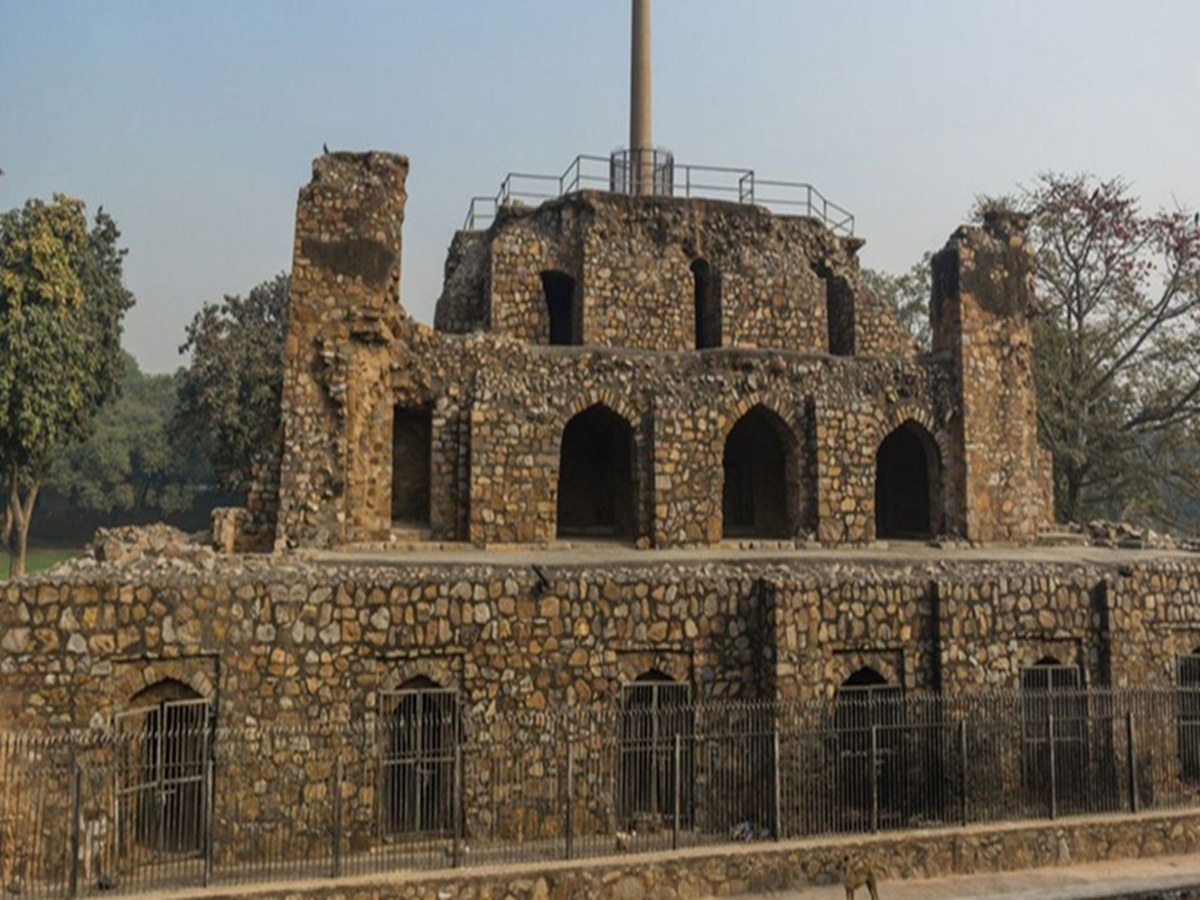
In the center of the fort, one can see various historic ruins from both the northern and southern sections. Standing proudly here is the sandstone 'Topra Ashoka Pillar'. Originally commissioned by Emperor Ashoka, this ancient monument was transported here from Topra Kalan in Haryana.
The pillar bears numerous historical inscriptions in Sanskrit, Pali, Prakrit, and the Brahmi script. Even today, when the golden afternoon sunlight falls upon it, the pillar gleams brilliantly, leaving onlookers spellbound. Additionally, the fort's serene and expansive gardens offer visitors a beautiful experience that blends history with nature.
**The Mosque and Circular Stepwell That Captivated Timur**
Right next to the pillar lies a unique architectural gem of the Tughlaq dynasty—the 'Jama Masjid'. It is one of the largest and oldest structures of that era where prayers are still offered today. When the ruler Timur visited in 1398 AD, he was so awestruck by the mosque's beauty that, upon returning to his empire, he commissioned another mosque inspired by this very design.
Meanwhile, another architectural marvel lies hidden in the north-western section of the complex: a circular stepwell (*baoli*) that once met the area's water needs. It is the only stepwell in Delhi with a circular design, featuring a well and a tank integrated into a single structure.
**Do Jinns Really Reside Here?**
Beyond the pages of history, this place is also known for a unique mystery. According to folklore and local belief, the fort is inhabited by 'Jinns' (genies).
Those who believe in supernatural powers leave letters detailing their troubles here. People trust that the Jinns will read their petitions, resolve their problems, and bestow blessings upon them. Some even visit to seek protection from evil spirits or to undergo rituals to ward off malevolent forces. While it may seem unusual, many visitors place immense faith in this phenomenon.
**Excitement Beyond the Fort**
A whole world awaits you outside Feroz Shah Kotla as well. Just a short distance away stands the 'Red Fort'—a masterpiece of Mughal architecture and a UNESCO World Heritage Site—which is a top choice for every tourist.
If you enjoy shopping and street food, the vibrant and historic market of nearby Chandni Chowk is sure to make your day. On the other hand, if you wish to explore Delhi's history from the pre-Mughal era, you must visit 'Purana Qila,' which holds countless stories within itself.
PC Social Media