LIFESTYLE
What is it about watermelon that poses a risk of food poisoning? Get the essential facts from a doctor..

Watermelon and Food Poisoning: During the summer season, watermelon is considered a superfood because it consists of over 90% water. It is rich in nutrients and boasts a delicious taste. This is precisely why people consume large quantities of watermelon during the summer months. However, several cases of food poisoning linked to watermelon consumption have been reported so far this season. There have even been reports of fatalities. Consequently, people have begun to fear eating watermelon, with many believing that consuming it will make them susceptible to food poisoning. The question now arises: what exactly is it about watermelon that causes food poisoning?
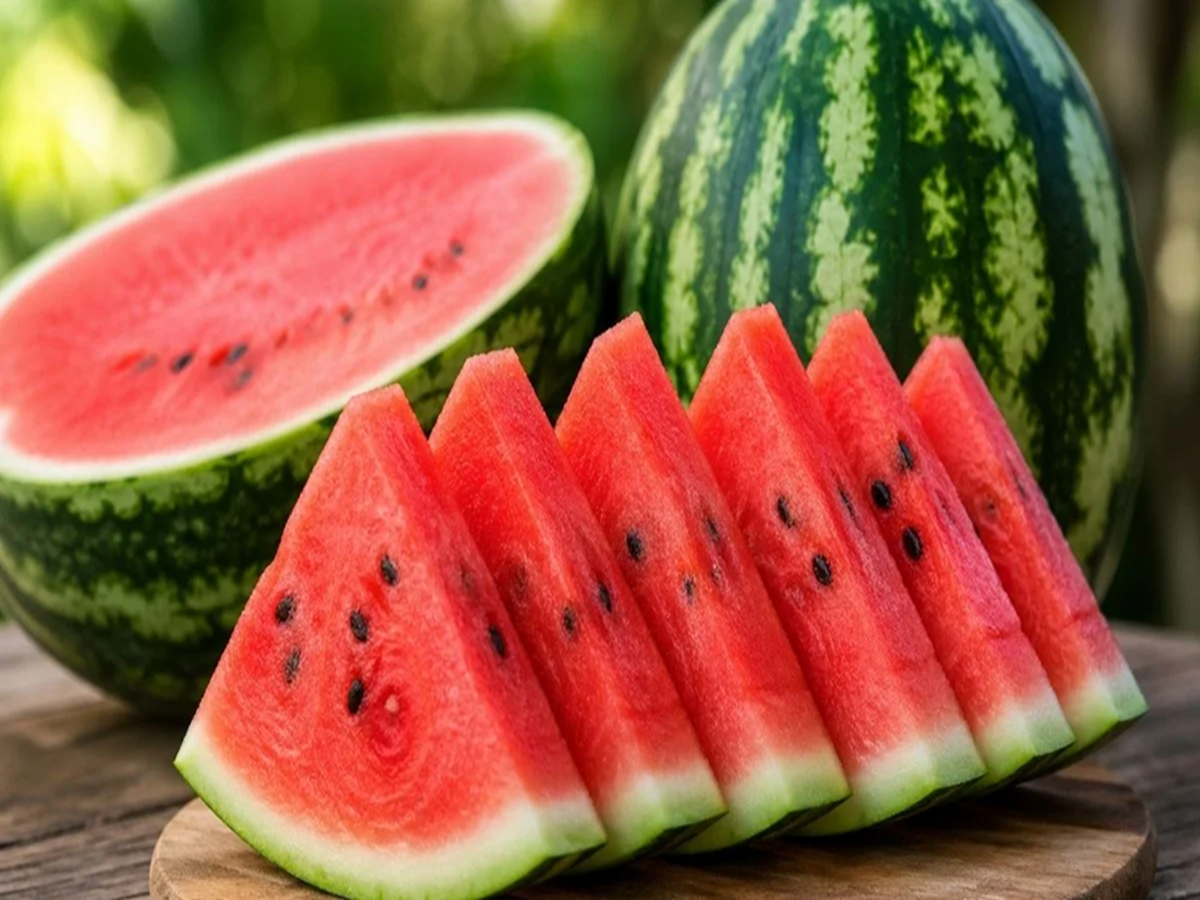
Dr. Anil Arora, Chairman of the Department of Gastroenterology at Sir Ganga Ram Hospital in New Delhi, clarified that there is nothing inherently in watermelon that causes food poisoning. Currently, both humidity and heat levels are extremely high. In such weather conditions, if any fruit is cut and left sitting for several hours, bacteria will begin to multiply within it. Consuming such fruit under these circumstances can lead to food poisoning. This principle applies not only to watermelon but to all other fruits as well. Watermelon has a high water content; as a result, bacteria tend to multiply rapidly when it is cut and left exposed. If a person consumes fruit that has been cut and left sitting for several hours—or even for a day or two—it can result in food poisoning. One should strictly avoid eating cut fruits during the summer season.
According to Dr. Arora, fruits sometimes become overripe and begin to rot from the inside. Under these conditions, bacteria start to proliferate within the fruit. When people consume such fruits, they experience symptoms such as vomiting and diarrhea. Placing such fruits in the refrigerator offers no protection either, since the bacteria are already present, their numbers will continue to increase even within the cold environment of a fridge. Furthermore, if fruits are not washed thoroughly with clean water, bacteria present in the water can adhere to the fruit's surface, thereby increasing the risk of falling ill. A dirty knife or plate can also be a cause of food poisoning. Therefore, people should exercise particular caution regarding their dietary habits during the summer season.
According to experts, watermelons should be consumed immediately after being cut. If, upon cutting, the watermelon appears mushy on the inside or tastes off, it should not be eaten. The knife used to cut the fruit, as well as the plate, must be clean. If you wash and cut the fruit properly and store it in the refrigerator for only a few hours, consuming it poses no health risk. Cut fruits should not be kept in the refrigerator for extended periods; most food items stored in the fridge tend to spoil after 2–3 days. This point should be kept in mind. If you experience any deterioration in your health after consuming food, contact a doctor immediately.
PC Social Media