
LIFESTYLE
What is your body’s true age? A blood test will reveal the secret and also help identify the risks of premature death..

We often estimate our age based on our date of birth or the physical changes visible on our face, but did you know that your true age might be different? For instance, you might be 40 years old, yet the biological processes occurring within your body could effectively make you 50. Conversely, some people may have bodies that are much younger than their chronological age.
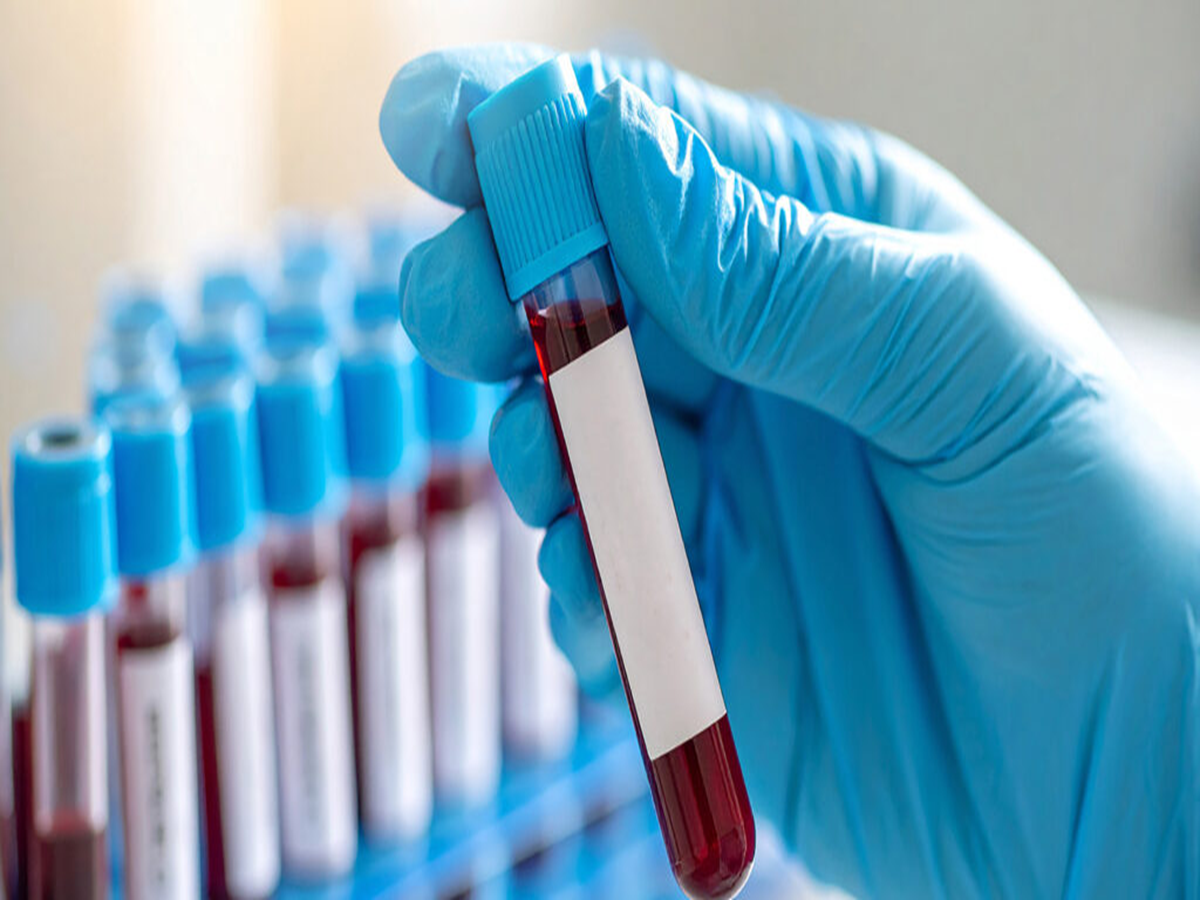
Scientists have now developed a new technique that can determine a person’s "biological age" simply through a blood test.
Notably, this technique can indicate the rate at which a person is aging and provide warnings about the risk of developing various serious diseases in the future—such as fatty liver, high blood pressure, diabetes, and heart disease. Health experts believe this discovery could offer a new avenue for monitoring health and enabling the early detection of illnesses.
Determining Biological Age
Scientists have devised a new method to measure the actual rate of aging within the body using blood tests. This technique not only estimates biological age but can also help signal future risks for conditions like fatty liver, high blood pressure, diabetes, heart disease, and even premature death.
The findings of this study have been published in the journal *Science Translational Medicine*. Researchers from Renji Hospital, affiliated with Shanghai Jiao Tong University, reached these conclusions after analyzing data from 18,476 individuals collected across six medical centers in China.
What Did the Study Reveal?
The researchers gathered information from participants regarding their dietary habits, daily lifestyle, sleep patterns, mental health, and family medical history. To determine the participants' biological age, the scientists developed a specialized computer model, which was used to assess their "metabolic age." Following this, 'metabolic age acceleration' was calculated. This metric determines how much older or younger an individual's biological age is compared to their chronological (actual) age.
For instance, if a person is 40 years old chronologically, but their biological age is estimated to be 48, then their biological age is considered to be 8 years greater than their actual age. This indicates whether the aging process within the body is occurring faster than normal.
For individuals already dealing with existing health conditions, scientists employed a different approach: the 'Cox regression model.' This technique helps assess the risk of mortality based on an individual's age and other health-related data.
Using this, researchers developed an age-related measure to determine how an individual's mortality risk—based on the metabolites present in their body—differs from the risk expected for their chronological age.
The study also revealed that individuals whose biological age exceeded their chronological age shared certain habits or circumstances. These included smoking or exposure to secondhand smoke, the use of hair dye, working rotating day and night shifts, and having a family history of heart disease in parents at a relatively young age.

The researchers clarified that these findings merely highlight an association between diet, lifestyle habits, and biological age. They do not prove that consuming a specific food item or changing a single habit will directly slow down the biological aging process; further research is required to establish this.
PC Social Media