LIFESTYLE
Which is the healthiest among whole wheat flour, refined flour, semolina, and gram flour? Which one is the most harmful to the body?
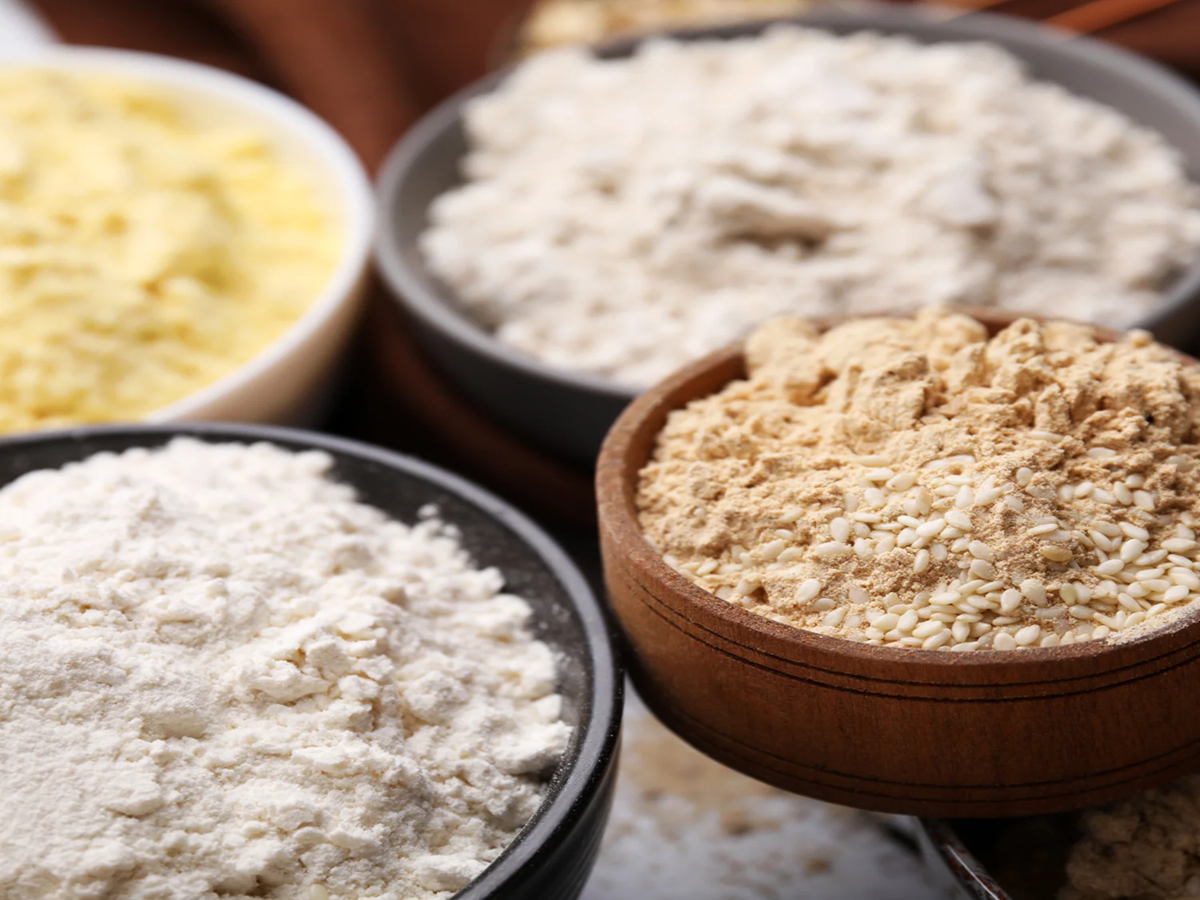
Atta vs. Maida vs. Suji vs. Besan: Whole wheat flour (atta), refined flour (maida), semolina (suji), and gram flour (besan) are widely used in our daily diet. Many delicious dishes—such as roti, paratha, bread, samosa, halwa, chilla, and dhokla—are prepared using these ingredients. Wheat flour is the most commonly used among them, while refined flour (maida) is frequently used in junk food. This often raises the question: which of these is the healthiest option, and which one's excessive consumption could harm one's health?
Kamini Sinha, a dietitian and the founder of Diet Mantra Clinic in Noida, explains that the quality of any food item depends on the quantity of fiber, protein, vitamins, and minerals it contains. It is also important to consider how quickly it raises blood sugar levels and its impact on the digestive system. While most people consume wheat flour and refined flour daily, semolina and gram flour are also used frequently. Each of these four ingredients has a different nutritional profile, which determines whether they are considered healthy or unhealthy.
How good is wheat flour for health?
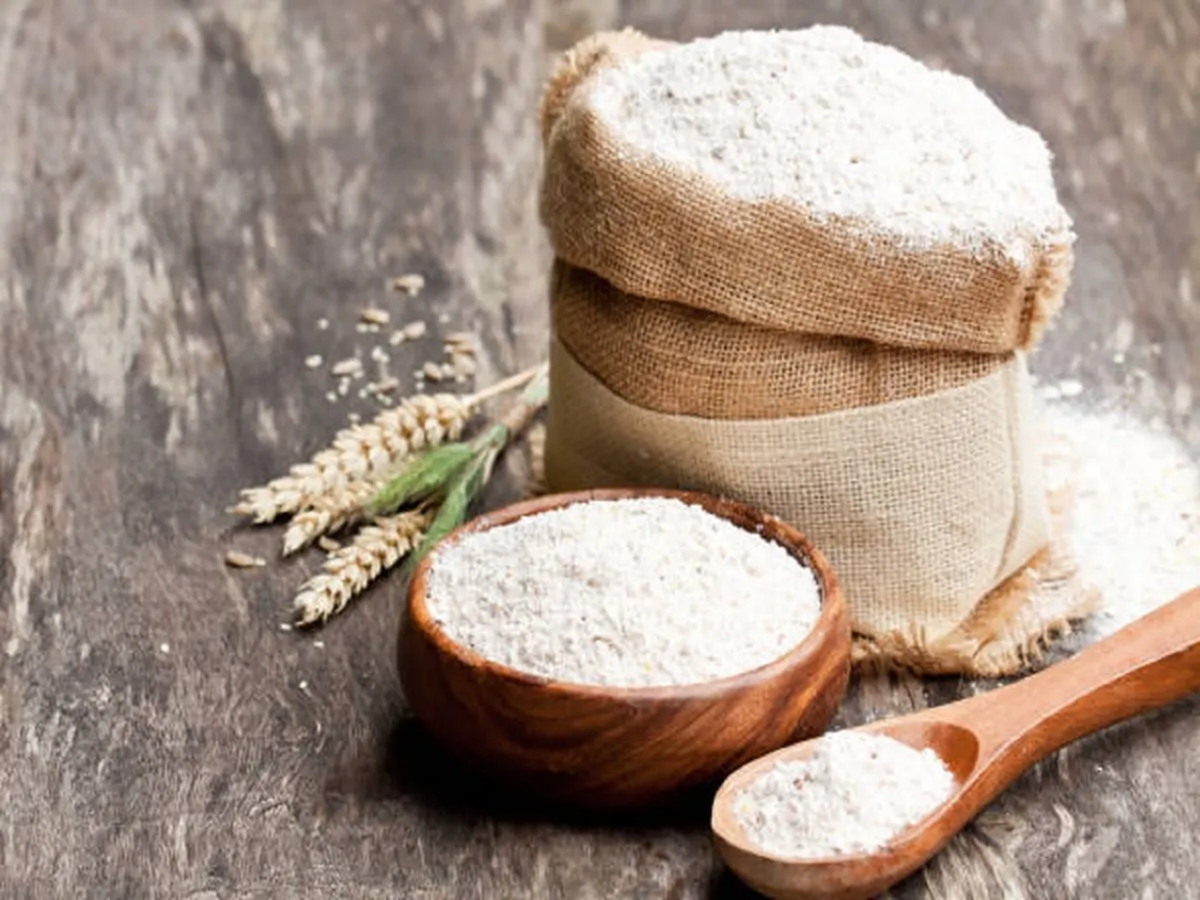
According to the dietitian, whole wheat flour is considered the best option in terms of nutrition. It contains adequate amounts of fiber, B-vitamins, iron, magnesium, and antioxidants. The fiber content improves digestion, alleviates constipation, and helps keep one feeling full for longer. For those who eat roti daily, wheat flour is a better choice than refined flour because it does not cause rapid spikes in blood sugar and helps manage weight.
Gram flour (Besan): A good source of protein and fiber
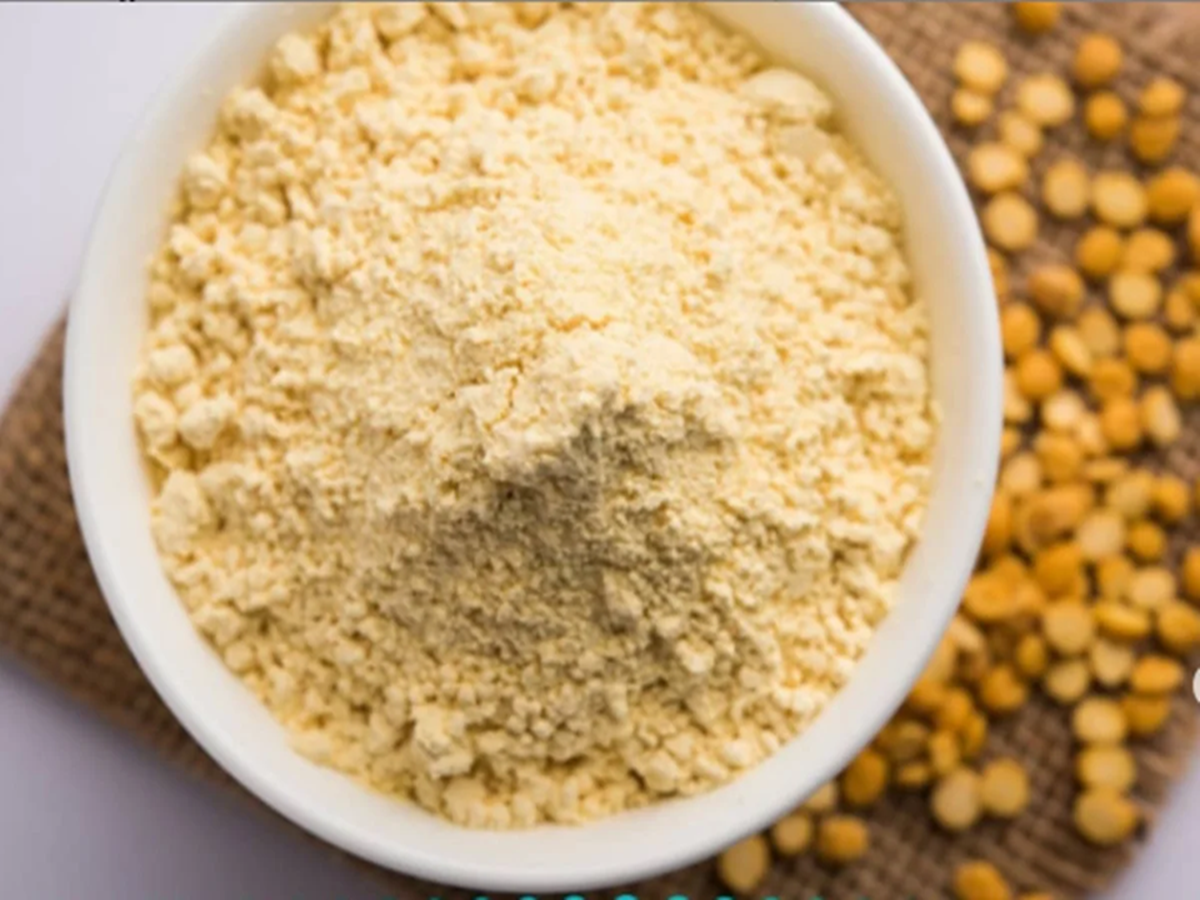
The expert noted that gram flour is made from split chickpeas (chana dal) and contains more protein than wheat flour. This is why dishes like chilla made from gram flour are considered healthy snacks. Another notable feature of gram flour is that it is gluten-free. For individuals with gluten-related issues, this can prove to be a good option. The protein and fiber content help control appetite, thereby preventing overeating.
**Semolina (Sooji) is not as nutritious as whole wheat flour**
Dietitian Kamini points out that while semolina is also derived from wheat, the processing method removes certain parts of the grain, resulting in lower fiber content. This is why semolina ranks lower than whole wheat flour in terms of nutritional value. However, semolina is not inherently harmful; dishes made from it—such as *upma* or *idli*—are light and easy to digest. Individuals with diabetes or those trying to lose weight should limit their intake of semolina.
**Why is refined flour (Maida) the worst option?**
Experts classify refined flour (*maida*) as an ultra-processed food. During its production, the wheat bran and germ are completely removed, destroying most of the fiber, vitamins, and minerals. Consequently, *maida* becomes a source of starch primarily. Products made from *maida*—such as white bread, pastries, pizza bases, and various bakery items—digest quickly, which can cause a rapid spike in blood sugar levels. Due to the lack of fiber, the stomach empties quickly, leading to frequent hunger pangs. Long-term, excessive consumption of *maida* can increase the risk of obesity, insulin resistance, and metabolic issues.
**Which is the healthiest option?**
According to dietitians, when comparing options based on nutrition, fiber, protein, and overall health impact, whole wheat flour and gram flour (*besan*) are considered the best choices. Whole wheat flour is regarded as balanced for a daily diet, while gram flour provides additional protein and fiber. Semolina can be included in moderation, but it is best to minimize the consumption of refined flour (*maida*). Experts consistently recommend choosing options that are less processed and higher in fiber.
PC Social Media