LIFESTYLE
Why are incense sticks lit during worship? Find out which direction is considered auspicious..
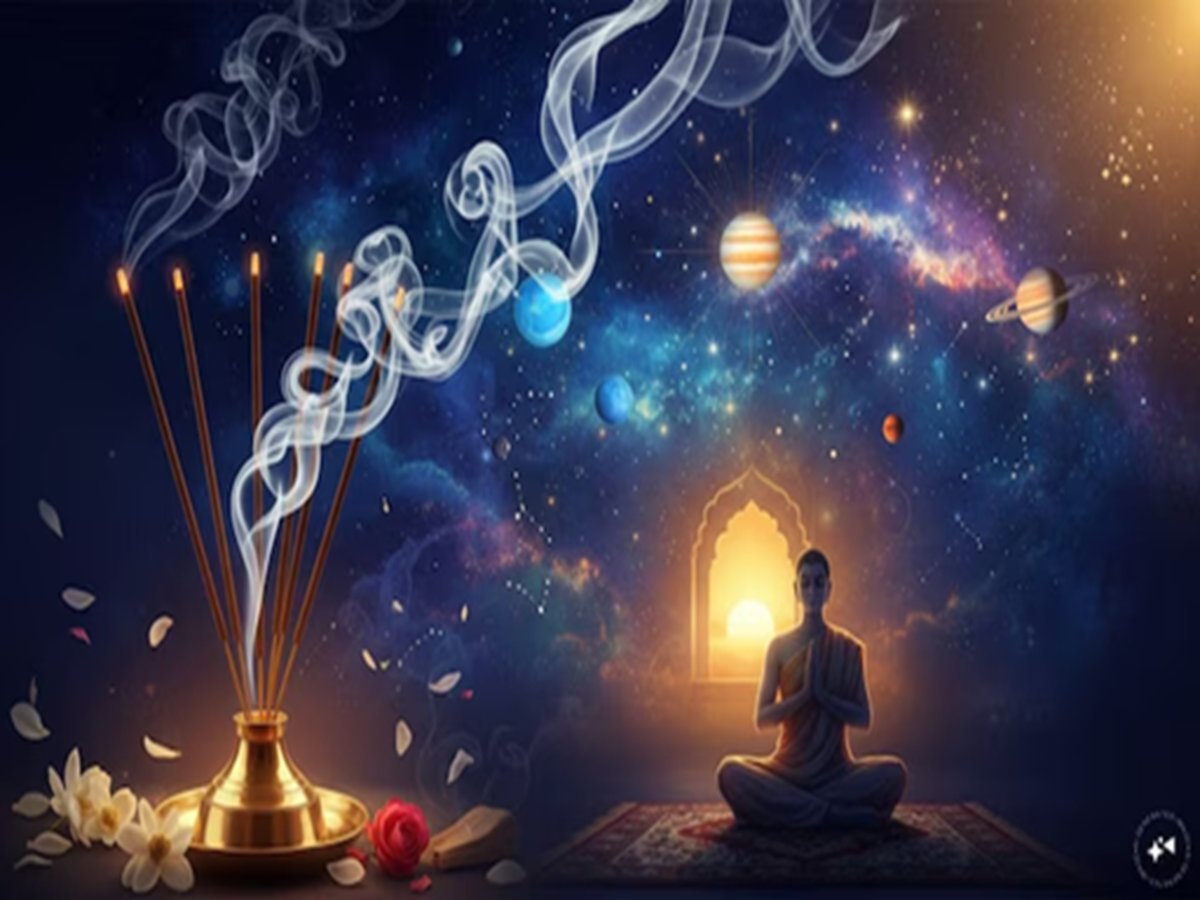
Significance of Agarbatti (Incense Sticks): In Hinduism, the tradition of lighting lamps, *dhoop* (incense), and *agarbatti* (incense sticks) during worship has existed for centuries. While most people observe this merely as a religious ritual, astrology attributes deep spiritual and planetary significance to the practice of lighting incense sticks. It is believed that the fragrance released by incense sticks helps reduce negative energy in the environment and enhances positive vibrations within the home.
Moreover, lighting incense sticks at the right time and in the right direction can not only invite the blessings of deities but also mitigate the adverse effects of planetary afflictions (*graha dosha*). Let us explore the astrological significance of lighting incense sticks during worship and the associated guidelines.
Astrological Significance of Lighting Incense Sticks
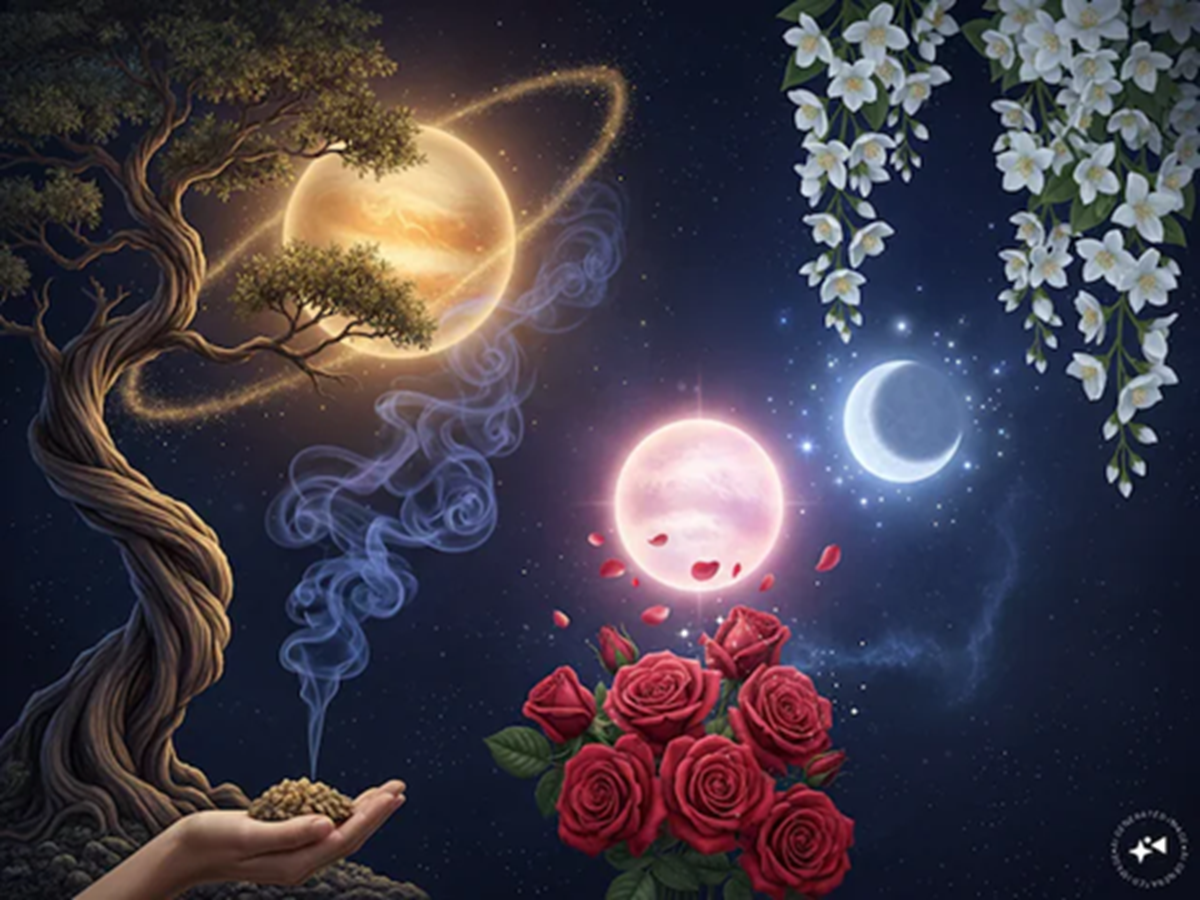
According to astrology, fragrance is directly linked to the planets Venus (*Shukra*) and the Moon (*Chandra*). When incense sticks are lit during worship, their aroma calms the mind and fosters the flow of positive energy. It is believed that this purifies the home environment (*sattvic* atmosphere) and facilitates easier concentration during meditation on the Divine. Many astrologers believe that regular use of incense sticks during worship helps alleviate the negative influences associated with the shadow planets Rahu and Ketu. This is why both *dhoop* and incense sticks hold a special place in religious rituals.
What are the astrological benefits of lighting incense sticks during worship?
1. Circulation of positive energy in the home
It is believed that the fragrance of incense sticks dispels negative energy and creates a positive atmosphere. This is why many people light incense sticks during worship in both the morning and the evening.
2. Helps mitigate planetary afflictions (*graha dosha*)
According to astrology, incense sticks with natural fragrances—such as sandalwood, rose, *kewra*, or jasmine—are considered helpful in enhancing the auspicious influence of planets. Different fragrances are associated with different planets.
3. Enhances mental concentration
When the atmosphere is fragrant, the mind remains calm, making it easier to focus and meditate. Therefore, lighting incense sticks during worship, mantra chanting, or meditation is considered auspicious.
In which direction is it considered auspicious to light incense sticks?
According to astrological beliefs, it is auspicious to light incense sticks facing the East or North within the place of worship. These directions are regarded as sources of positive energy. However, one should avoid placing incense sticks where the smoke drifts directly onto the face of the deity's idol.
Which fragrance is associated with which planet?
The fragrance of sandalwood is linked to the planet Jupiter, while the rose is considered a symbol of Venus. The scent of jasmine is associated with the Moon, and the aromas of loban (benzoin) or guggul are believed to dispel negative energy. Astrology suggests that individuals can choose a fragrance based on their specific needs.
What points should be kept in mind while lighting incense sticks?
It is considered best to use high-quality incense sticks made from natural ingredients during worship. One should avoid relighting broken or extinguished incense sticks. After the worship concludes, it is considered auspicious to respectfully place the ash near a plant or in a clean spot. Additionally, regular cleaning of the worship area is essential; lighting incense sticks in a clean and organized shrine is believed to further enhance the flow of positive energy.
Is lighting incense sticks alone sufficient?
Astrologers state that incense sticks are merely a medium. The true fruits of worship depend on an individual's devotion, positive mindset, and sincerity; the impact is considered even more auspicious when worship is accompanied by good deeds, self-restraint, and regular spiritual practice.
PC Social Media