LIFESTYLE
Why are people still suffering heart attacks despite having low cholesterol? A doctor explains where the oversight lies..

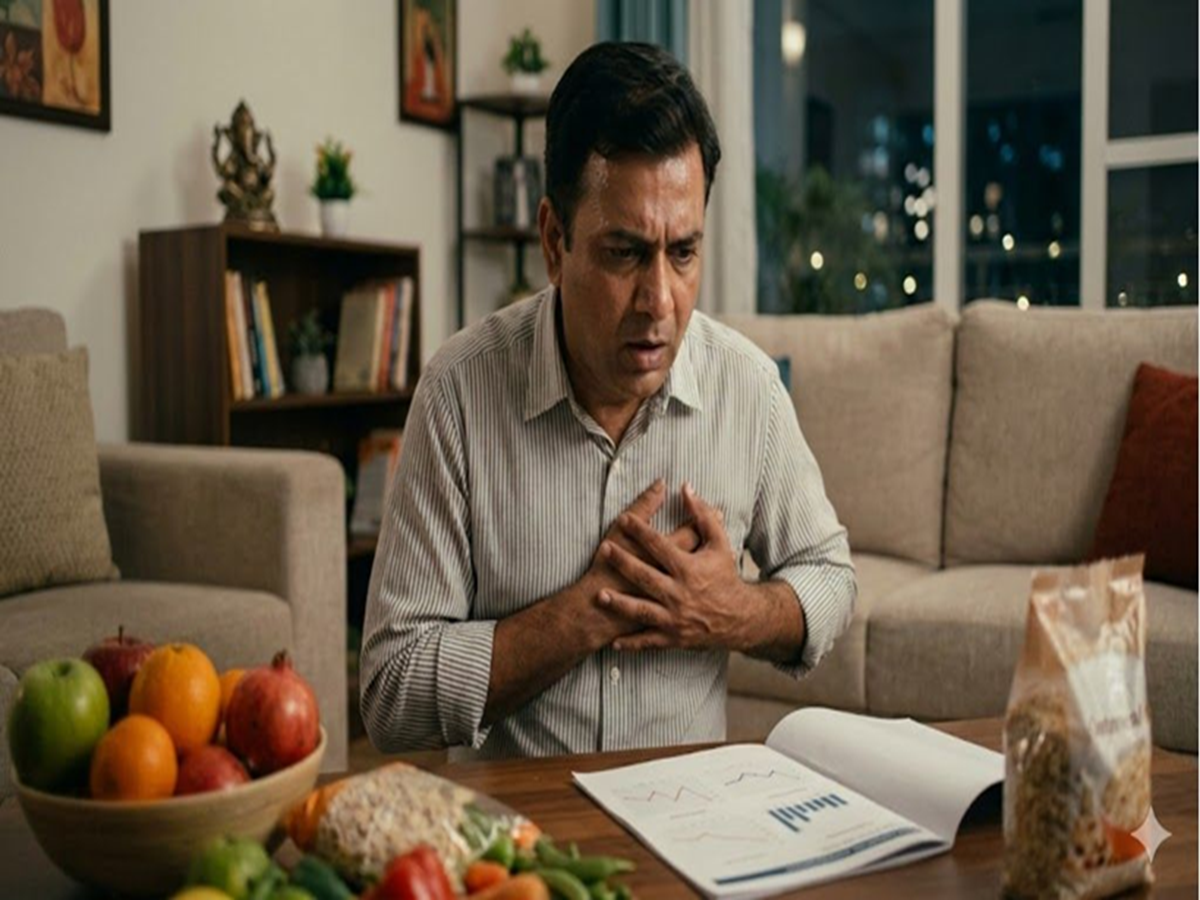
Whenever the conversation turns to preventing heart attacks, we often find ourselves heading in the wrong direction—or, to put it another way, relying on the "wrong remedies." We tend to assume that safeguarding our heart simply entails controlling cholesterol levels; however, Dr. Sudhir Kumar, a Senior Neurologist at Apollo Hospitals, asserts that this represents only a partial truth. Indeed, citing a study shared on the social media platform X, he explained that sleep deprivation and mental health issues play a pivotal role in determining our cardiac health.
Research Conducted on Over 20 Million People
A massive study involving more than 22 million individuals was recently conducted, yielding results that serve as a real eye-opener:
**Depression:** This significantly elevates the risk of suffering a heart attack.
**Anxiety:** This, too, heightens the likelihood of experiencing a heart attack.
**Poor Sleep:** The inability to get adequate, quality sleep poses a direct threat to your heart.
**Severe Psychological Trauma (PTSD):** Individuals suffering from PTSD have been observed to face a risk of heart attack that is up to three times higher than the general population.
Ignoring the Root Cause of the Illness
The doctor points out that despite such unequivocal data, our current medical approach remains outdated. We readily prescribe and consume medications—such as statins—to lower cholesterol, yet we completely overlook critical factors like stress, burnout, and poor sleep.
Disrupted Hormonal Balance and Escalating Stress
When you are subjected to chronic mental stress and your sleep is frequently disrupted, a cascade of negative physiological changes occurs within the body. This triggers systemic inflammation, causes blood pressure to spike suddenly, and completely throws the body's hormonal balance into disarray. Collectively, these factors inflict damage upon our arteries, ultimately creating a heightened risk of Acute Coronary Syndrome.
A Healthy Mind Is the Key to a Safe Heart
Think of this as a simple rule: if your mind is not healthy, neither is your heart safe. Therefore, do not take mental health issues lightly. Consult a mental health specialist today to receive proper treatment for your mental disorders and reduce the risk of a heart attack.
PC Social Media