
LIFESTYLE
Why is a strict 41-day fast observed before the Sabarimala pilgrimage? Learn all the rules..
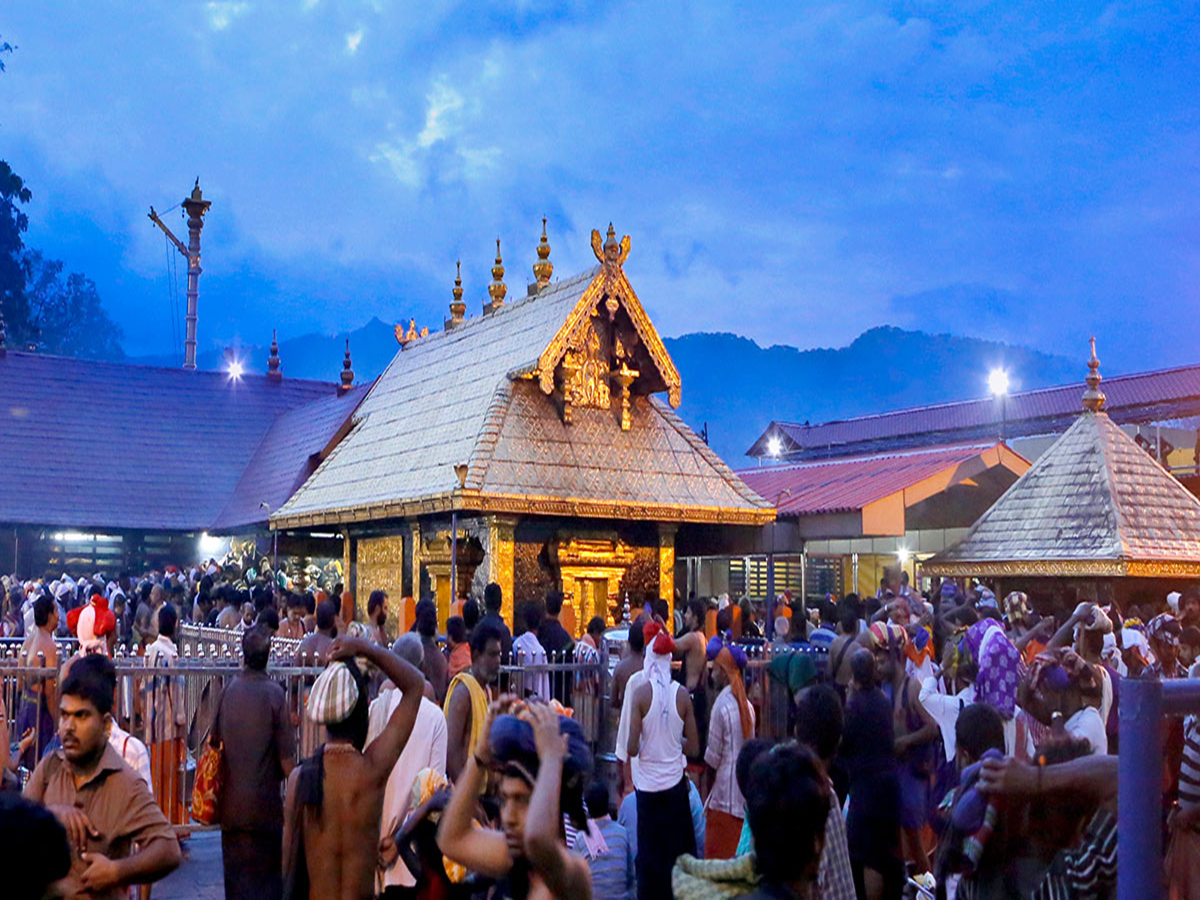
Sabarimala Yatra: The 41-Day Vrat (Observance)
Visiting the renowned Sabarimala Temple in Kerala to seek the blessings of Lord Ayyappa is considered a deeply significant spiritual experience for devotees. The annual festival at the Sabarimala Sree Dharma Sastha Temple has commenced, marking the beginning of a rigorous 41-day *vrat* (observance) for devotees. Those planning a pilgrimage to the temple are required to adhere to strict vows and a disciplined regimen for these 41 days—a period known as 'Mandalam Vratam'. It is believed that this 41-day discipline purifies the devotee’s body, mind, and thoughts, preparing them for the pilgrimage to Lord Ayyappa.
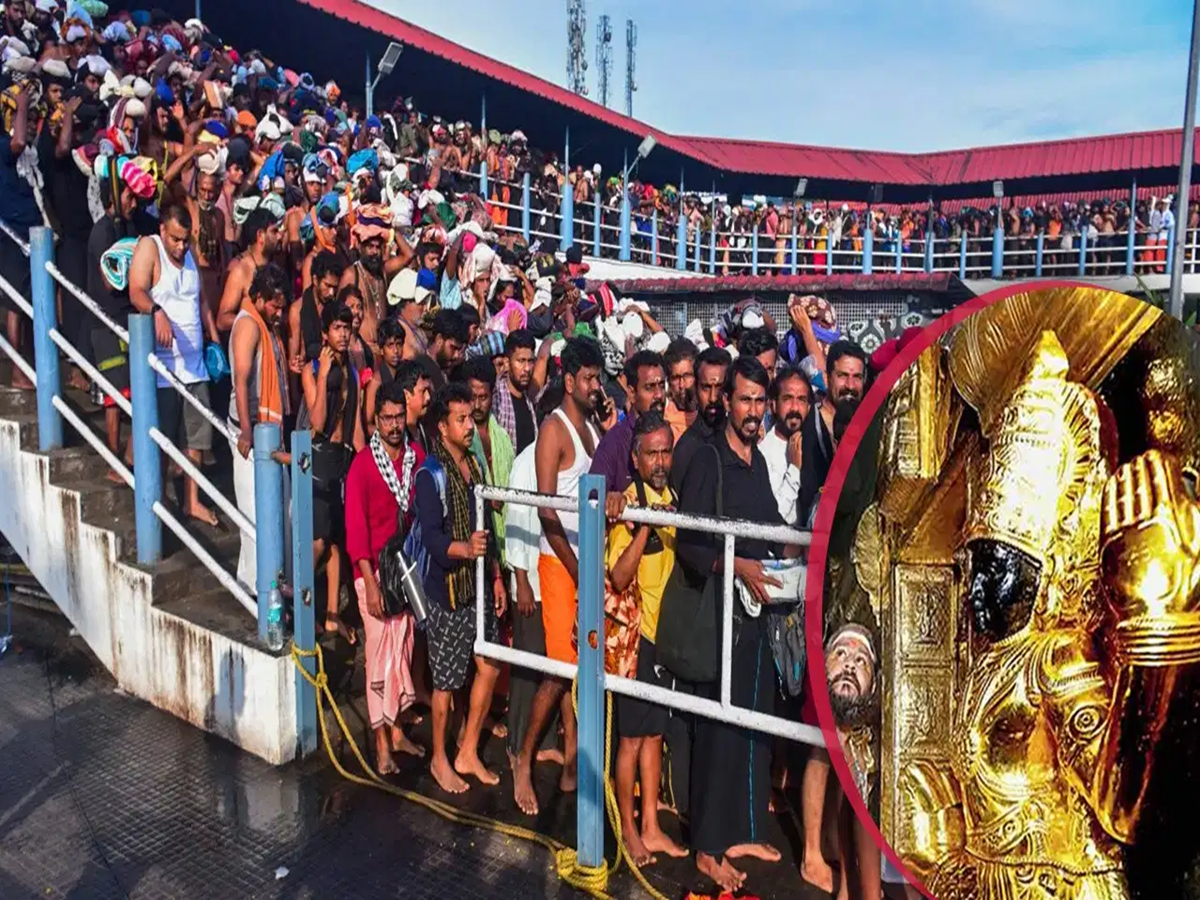
Why is the 41-day *vrat* observed?
Lord Ayyappa is revered as the embodiment of *brahmacharya* (celibacy), self-restraint, and *tapasya* (austerity). The pilgrimage to Sabarimala is not merely about reaching the temple for *darshan* (worshipping the deity); it is also a spiritual practice rooted in self-control and devotion. By leading a *sattvic* (pure/virtuous) life, exercising control over one’s desires, and constantly remembering the Lord, the devotee strives to become spiritually worthy of the pilgrimage. This tradition is associated with the 'Mandalam' period, which spans approximately 41 days.
Practices to be followed during the 41-day period
On the first day of the month of *Vrishchikam*, devotees beginning the *vrat* receive a *mala* (garland/necklace) made of *tulsi* (holy basil) or *rudraksha* beads from a *Guruswamy* (a spiritual guide or mentor) at the temple or at home. Upon donning this *mala*, the devotee renounces colorful clothing, opting instead for a *dhoti* in black, deep blue, or saffron—colors that symbolize the abandonment of worldly attachments and ego. It is mandatory to bathe in cold water daily—both before sunrise and after sunset—and to chant the mantra "Swamiye Saranam Ayyappa" while applying sandalwood paste or *bhasma* (sacred ash) to the forehead. For 41 days, devotees sleep on a mat spread on the floor rather than on a bed or mattress, and they do not wear footwear. Furthermore, they refrain from cutting their hair or nails.
Key Rules of the Vow (Vrat)
Observance of Brahmacharya (Celibacy): Emphasis is placed on physical and mental restraint throughout the duration of the vow.
Sattvic (Pure) Diet: For 41 days, devotees consume simple, wholesome food while abstaining from non-vegetarian items, alcohol, and intoxicants.
Regular Worship: There is a tradition of daily remembrance, prayer, and the singing of hymns (bhajans) dedicated to Lord Ayyappa.
A Life of Simplicity: Devotees strive to avoid anger, ego, falsehood, and the use of harsh or abusive language.
Service and Equality: Helping those in need and maintaining a sense of respect toward everyone are essential components of this vow.
Traditional Attire: Many devotees wear black or dark-colored clothing during the period of the vow.
Who Observes This Vow?
Devotees traveling to Sabarimala—known as followers of Lord Ayyappa or simply 'Ayyappas'—observe this vow. Traditionally, male devotees wear black, blue, or dark-colored garments and begin the vow under the guidance of a 'Guru Swami.' Within certain communities and traditions, there have been distinct rules and beliefs concerning women. The regulations surrounding the entry of women into the temple have also been the subject of periodic legal and social debate.

Seeking the Darshan of Lord Ayyappa
Upon completing the 41-day vow, devotees undertake the pilgrimage to Sabarimala, carrying the 'Irumudi Kettu' (a sacred bundle), to seek the *darshan* (divine glimpse) of Lord Ayyappa. Thus, this vow is considered not merely an adherence to religious rules, but a symbol of discipline, renunciation, devotion, and self-purification.
PC Social Media