FASHION
The craze for these 5 types of bridal veils/shawls has made a comeback; discover the unique features of each..
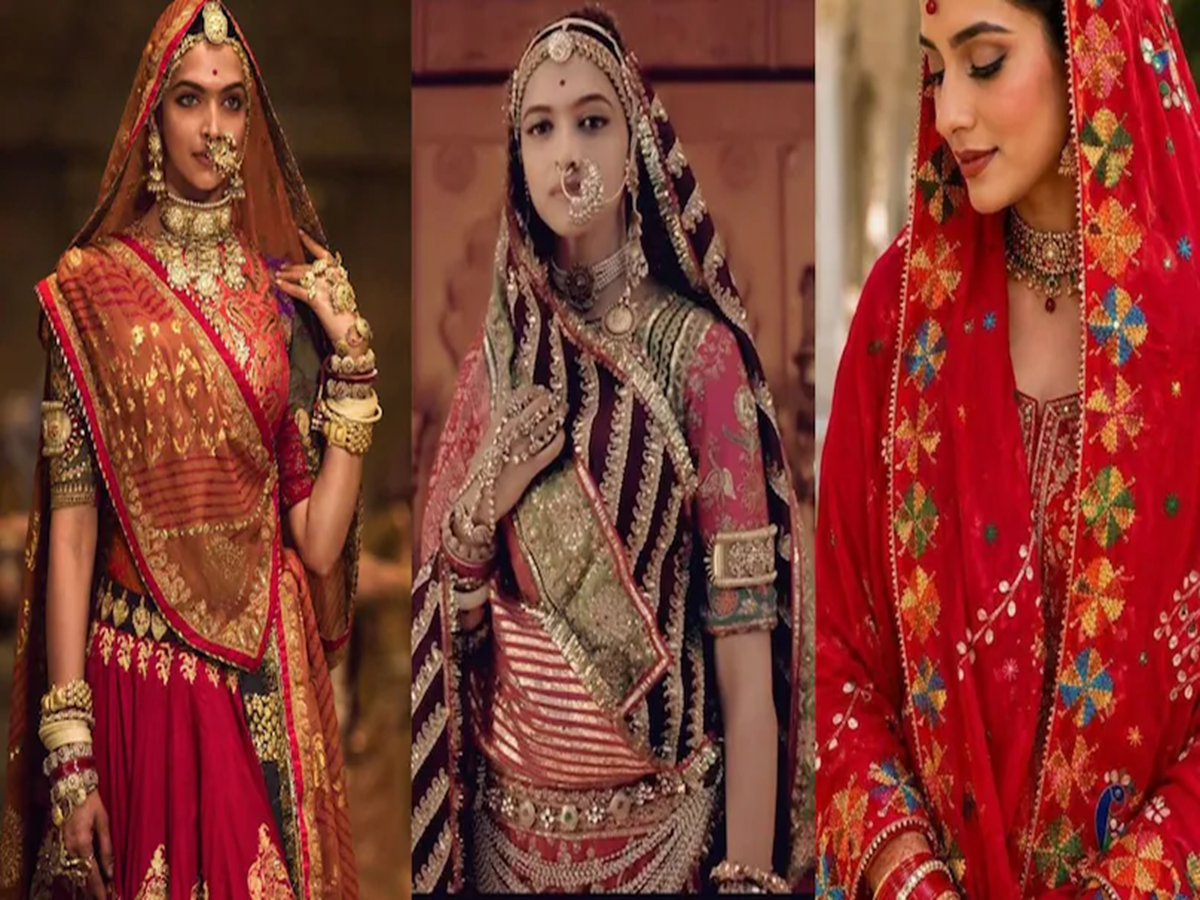
Trendy Bridal Odhni Designs: Whether it is Deepika Padukone’s regal appearance in the film ‘Padmaavat’ or Aishwarya Rai’s red ‘chunri’ and ‘gharchola’ odhni in ‘Hum Dil De Chuke Sanam’—whenever the beauty of traditional Rajasthani and Gujarati brides has been showcased on the silver screen, the wide, flowing odhni—draped from the head down to the shoulders—has always captivated hearts. Now, that same cinematic magic has made its way into real-life weddings.
For a long time, bridal fashion was dominated by generic net or organza dupattas. However, brides are now rediscovering the wide, long, and deeply traditional ‘odhni’—the kind once found in their grandmothers’ heirloom trunks. Not only does it lend a vintage, royal aesthetic to the bride, but every thread also carries the essence of her culture and cherished family memories. Let’s explore some of these unique, traditional ‘chunri’ designs and the various ways to drape them.
5 Traditional ‘Chunri’ Styles and How to Drape Them:
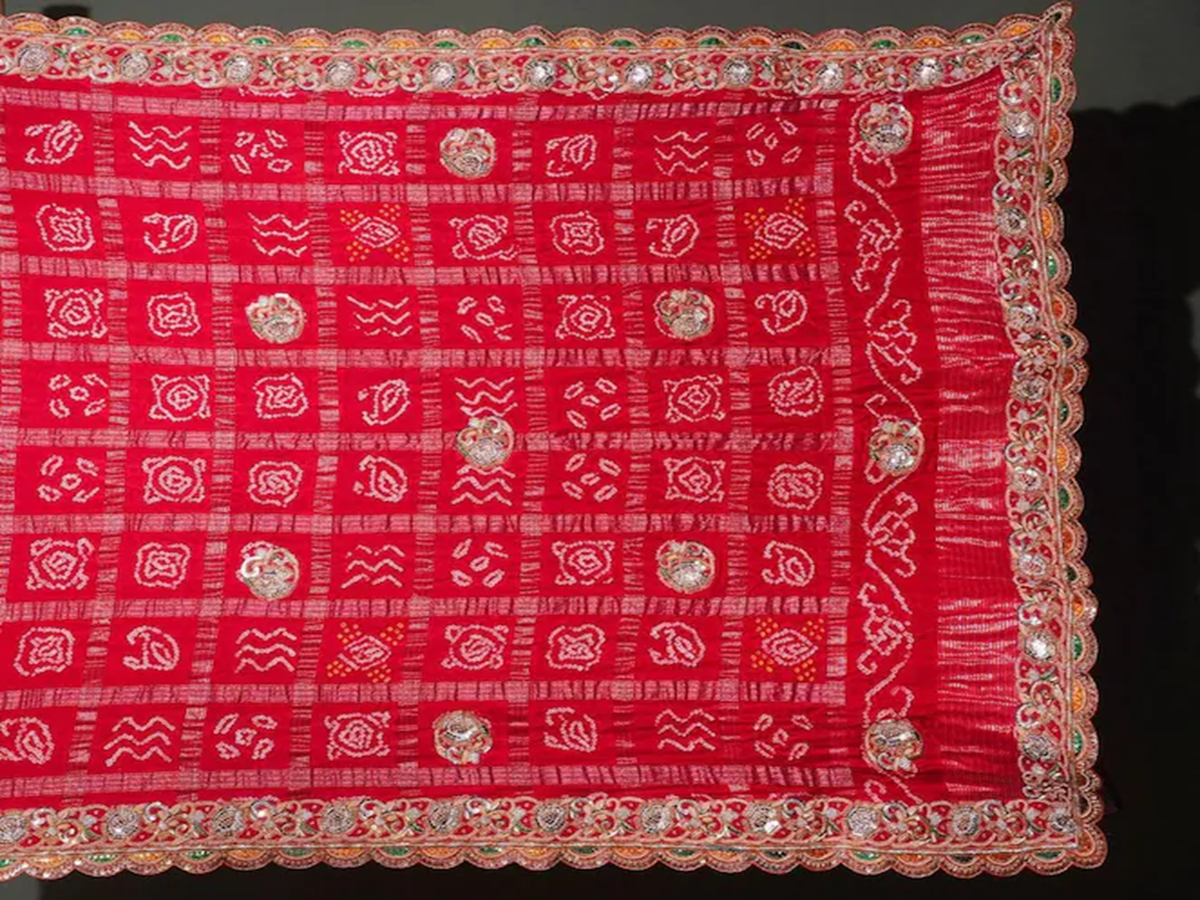
1. Gujarati Gharchola Odhni:
The ‘gharchola’ odhni holds a special place in the traditional attire of a Gujarati bride. Its name is derived from two words: ‘ghar’ (home) and ‘chola’ (garment/attire). Typically found in red or green, its most distinctive feature is a grid-like pattern across the fabric, adorned with small white ‘bandhej’ (tie-dye) dots or shimmering golden ‘zari’ (metallic thread) stripes.
Many gharchola odhnis also feature motifs like elephants, peacocks, flowers, and other traditional patterns. In Gujarati tradition, it is often gifted to the bride by her in-laws. If you wish to infuse a touch of Gujarati heritage into your bridal look, a gharchola odhni paired with a red lehenga would look truly stunning.
2. Rajasthani Bandhani Chunri:
Rajasthani Bandhani Chunri is renowned for its vibrant, colorful beauty. To create it, small sections of the fabric are tied with thread before the dyeing process. Once the threads are removed, beautiful patterns—consisting of dots and various other shapes—emerge on the fabric.
Bandhani Chunris in shades of red, yellow, pink, or green look stunning in a wedding setting. Brides who prefer a traditional Rajasthani aesthetic can pair one with a lehenga or ghagra-choli. If your lehenga is a solid color, a Bandhani Chunri in a contrasting hue can truly elevate your entire look.
3. Lahariya Odhni:
If you enjoy experimenting with colors even within traditional attire, a Lahariya Odhni is an excellent choice. This unique Rajasthani dyeing technique features diagonal, wavy stripes on the fabric, reminiscent of ripples in water—a hallmark of this style.
Lahariya Odhnis are typically available in vibrant colors like pink, yellow, orange, and green. Some designs feature a combination of two colors, while others showcase stripes in a multitude of hues. You can create a striking contrast by pairing it with a light-colored lehenga. It is also a wonderful option for pre-wedding festivities such as the Mehendi or Haldi ceremonies.
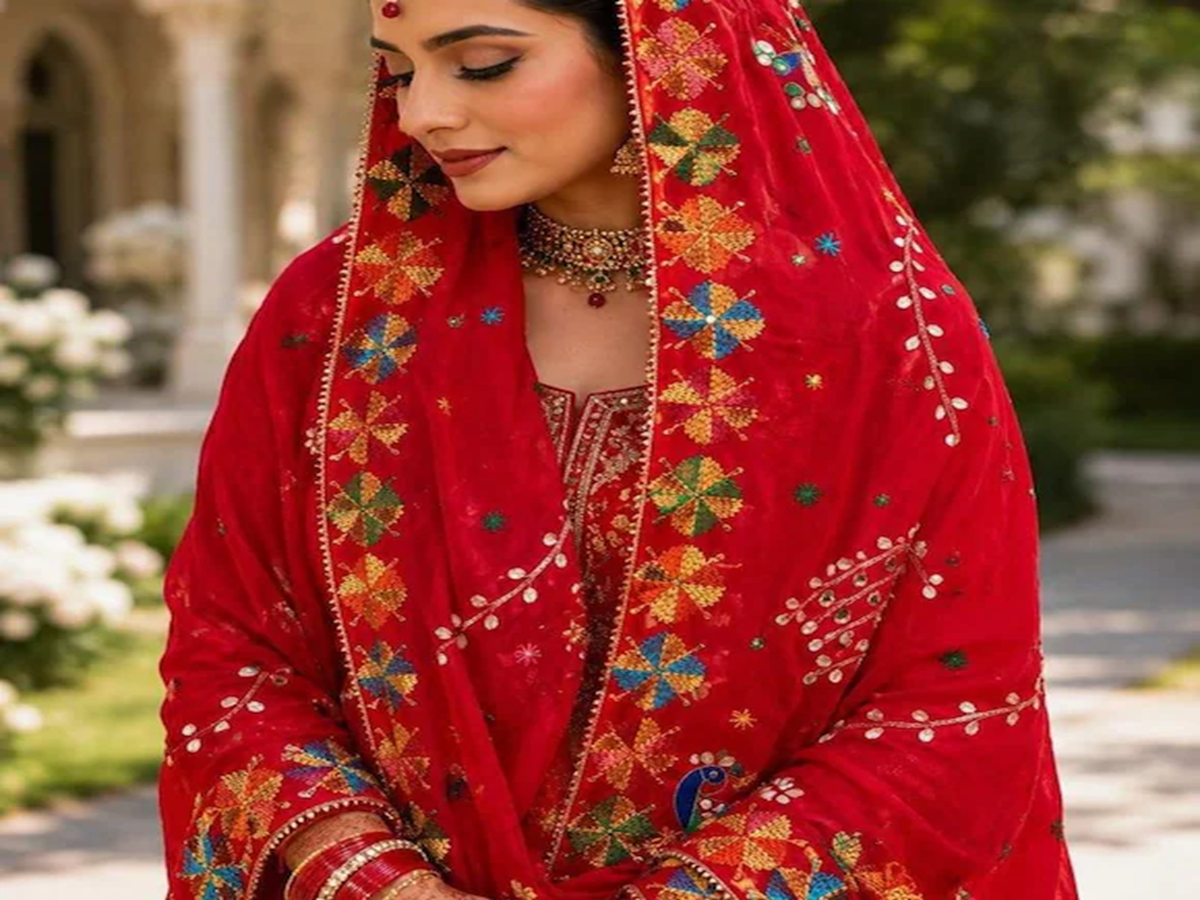
4. Punjabi Phulkari Odhni:
A Punjabi Phulkari Odhni is perfect for brides who appreciate intricate hand-embroidery and colorful designs. The term 'Phulkari' literally refers to floral craftsmanship; it involves creating motifs of flowers, leaves, and geometric shapes on fabric using vibrant, colored threads.
A distinctive feature of Phulkari is that the embroidery can either cover the entire fabric or be concentrated in specific areas. Traditional Phulkari work is characterized by the generous use of bright, vivid colors. Pair it with a simple lehenga or an Anarkali so that the embroidery on the *odhni* (veil/dupatta) stands out beautifully. This can be an excellent choice for a Punjabi bridal look.
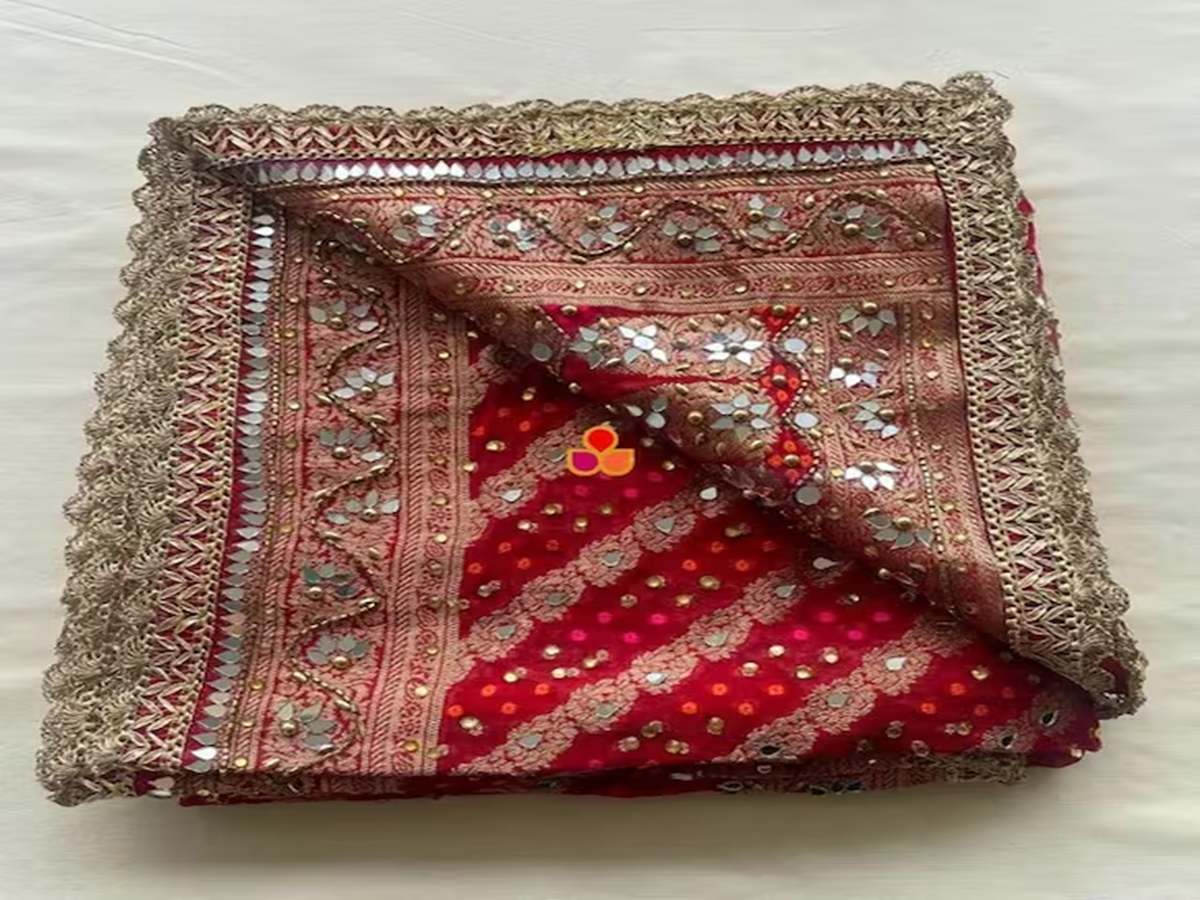
5. Gota-Patti Odhni:
The *gota-patti* craft of Rajasthan is a beautiful element of traditional bridal fashion. It involves cutting strips with a gold or silver sheen and arranging them into floral, leafy, or other patterns, which are then stitched onto the fabric to create exquisite designs.
An *odhni* featuring *gota-patti* work looks stunning in colors like red, pink, orange, and peach. An *odhni* adorned with a wide *gota* border and intricate embroidery lends a regal touch to a bride’s appearance. It is best paired with a lehenga that has lighter embroidery, rather than one that is heavily embellished, to ensure a balanced look for the entire ensemble.
Things to keep in mind when choosing an *odhni*:
When purchasing a bridal *odhni*, focusing solely on its design and color is not enough. It is also important to consider the weight of the fabric, its length, and how easy it is to manage when worn over the head. If you intend to wear a *ghoonghat* (veil) during the wedding, choose an *odhni* that stays securely in place on your head and does not feel too heavy, even when draped to cover your face.
Most importantly, select your *odhni* by keeping your lehenga, jewelry, and wedding rituals in mind. After all, your bridal attire should reflect both your personal taste and your cultural traditions.
PC Social Media