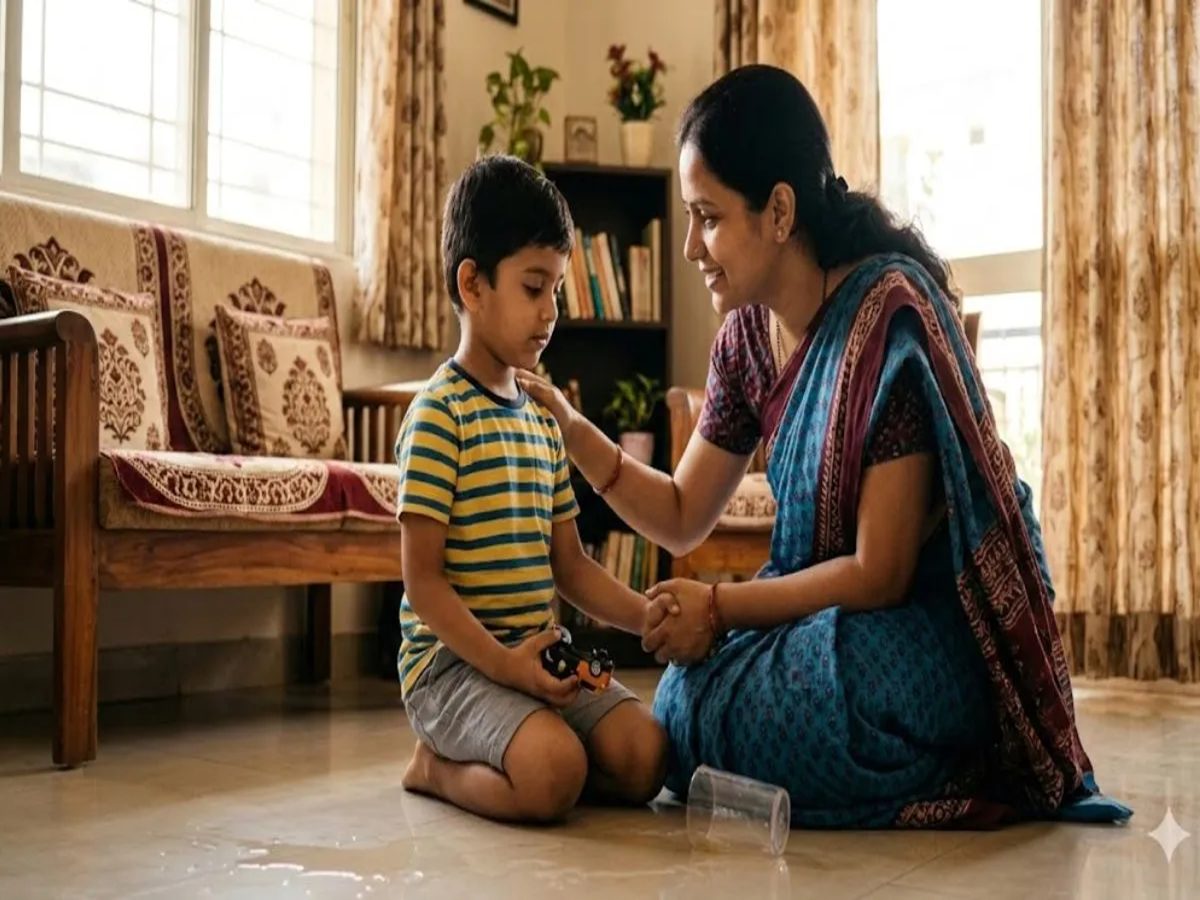

A Child’s Disagreement: A Sign of Good Parenting – Does your child frequently ask questions like "Why?", "Why is it like this?", or state "I don’t agree" over even minor matters? Many parents might perceive this as the child becoming stubborn or failing to listen to adults. However, from the perspective of child psychology and parenting experts, a child who engages in reasoning and expresses disagreement—rather than simply saying "yes" to everything—often indicates the presence of a safe, open, and trusting environment.

It is frequently observed that children do not argue out of a desire to rebel, but rather to assert their autonomy, express their understanding, or voice their stress or disagreement. If you approach these situations calmly and encourage them to articulate their thoughts clearly, it can actually make your parenting journey easier.
What is the true meaning of arguing and disagreement?
According to child psychology experts and parenting specialists, this is considered a sign of good parenting. They believe that when a child expresses their views or questions a rule without fear, it does not necessarily equate to rudeness or rebellion. Often, there are positive underlying reasons for this behavior.
Reasons behind a child’s arguments or "talking back":
A safe emotional environment:
Children only feel comfortable expressing disagreement when they are confident that sharing their opinions will not lead to being scolded or a reduction in the love they receive.
Development of critical thinking and comprehension:
Asking questions and engaging in reasoning shows that the child seeks to understand the underlying causes of things, rather than accepting them blindly.
An attempt to establish an individual identity:
As children grow, they begin to identify their own preferences, dislikes, and opinions. Disagreement can be an early step toward this independent, self-reliant way of thinking.
How is this connected to good parenting? We often assume that a "good child" is one who obeys everything immediately. However, experts believe that children who are given the space to express their own views at home grow up to be more self-confident. If a child is able to present their perspective logically, it is likely because—instead of suppressing them—you have made an effort to listen to them and explain things. That said, there is a fine line between expressing disagreement and being disrespectful. While it is perfectly fine for a child to voice their opinion, maintaining respect for others is equally important.
What can parents do?
If your child frequently engages in arguments, instead of getting angry or dismissing the conversation, you might consider these simple approaches:
1. Listen fully first: Rather than interrupting, try to understand what the child is concerned about or the logic they are presenting.
2. Explain the reasoning in a calm tone: Instead of saying "because I said so," explain the rationale behind a rule or decision using simple, clear language.
3. Set boundaries and expectations for respect: Allow your child the freedom to share their opinions, but make it clear that raising their voice or using disrespectful language is not acceptable.
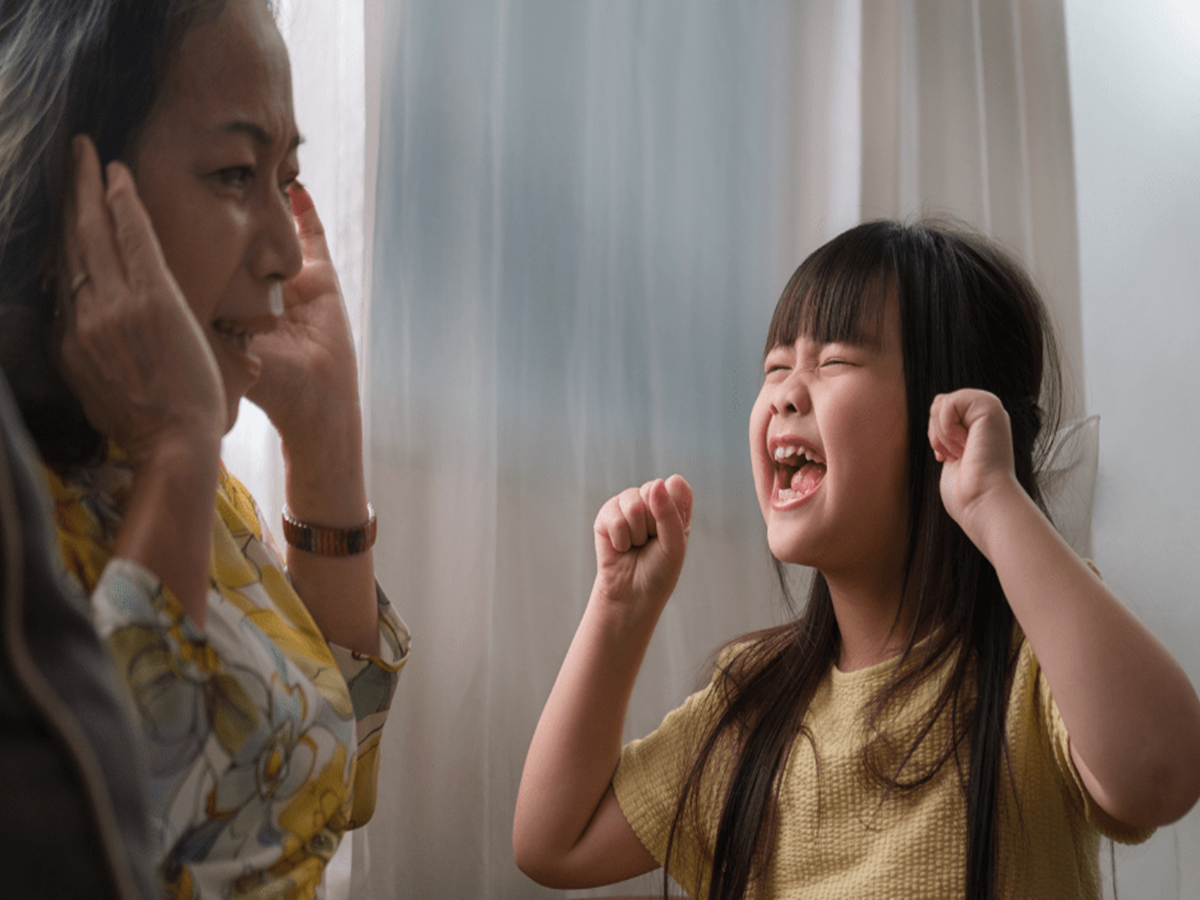
4. Acknowledge sound reasoning: When a child offers a sensible argument, praise their thinking; this helps boost their self-confidence.
So, the next time your child expresses disagreement, instead of getting upset, take a moment to reflect: could this be a sign of their healthy development—a sign that they are learning to form their own opinions and trust you enough to share them?
PC Social Media