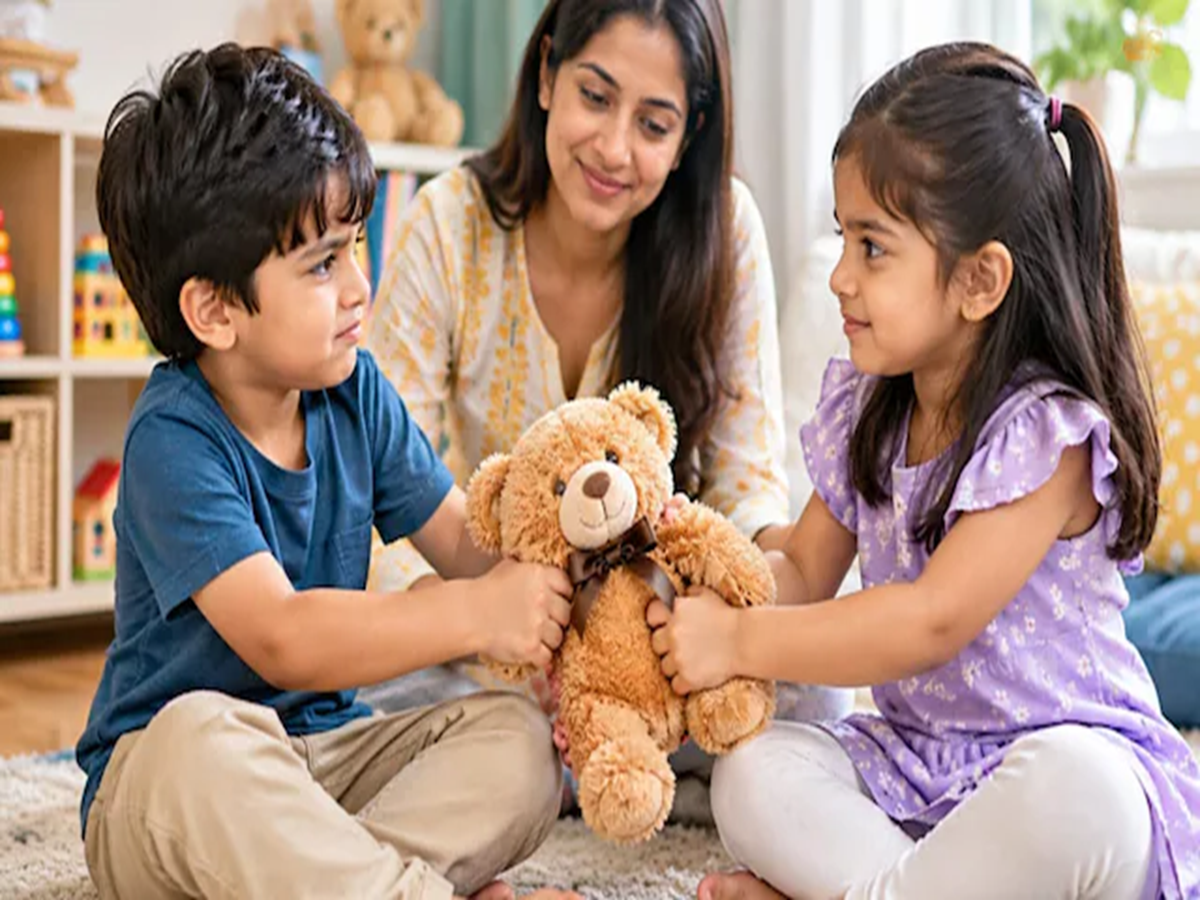

Emotional Connection with a Child: A child’s world is small and innocent. For them, their parents are their entire universe. During this time, children are not just growing physically; they are also evolving as individuals from within. In this process, the support of parents plays a crucial role in their mental and emotional development. Often, we become so preoccupied with meeting a child’s material needs—such as food, clothing, and education—that we overlook the importance of a genuine emotional connection. According to a report by the Center on the Developing Child at Harvard University, when a child speaks or gestures and a parent responds attentively, it strengthens neural connections in the child’s brain—connections that are vital for their emotional and intellectual growth.

Let’s explore why hugging your child, listening to them, and offering praise are so essential.
Hugging Your Child: Love Beyond Words
When you hug your child, it is more than just physical contact; it conveys a powerful message: “You are safe, and I am here with you.” Science confirms that hugging triggers the release of a hormone called oxytocin—often referred to as the “love hormone”—which helps alleviate stress and fear. If your child returns home from school feeling exhausted or frightened, simply give them a tight hug; much of their stress will vanish in an instant. This touch helps the child become stronger and more self-confident from within.
According to Dr. Laura Markham, a clinical psychologist and author of *Peaceful Parent, Happy Kids*, an emotional connection with parents is the true key to a child’s discipline and mental resilience. She advocates for hugging children daily and listening to them without passing judgment. Listening to your child: Making them feel valued—
In today’s fast-paced life, it often happens that a child approaches us, eager to share something, and we respond by saying, “Be quiet, let me work,” or “Talk to me later.” When this happens repeatedly, the child begins to internalize the belief that what they have to say is unimportant. Conversely, when you listen attentively—maintaining eye contact—to their fragmented stories or minor grievances, it reinforces their sense of identity. Furthermore, practicing attentive listening helps children develop the ability to listen to and understand others.

Praising your child: A boost to self-confidence—
Offering encouragement and praising children for their small successes can significantly elevate their self-confidence. However, there is a right way to offer praise. Instead of simply saying, “You’re very good,” acknowledge their effort—for instance, “I really appreciate that you cleaned your room all by yourself,” or “You worked very hard to solve this math problem.” When you praise the effort, it motivates the child to perform even better next time.
PC Social Media