LIFESTYLE
World Diabetes Day: What should your blood sugar level be in the morning on an empty stomach?
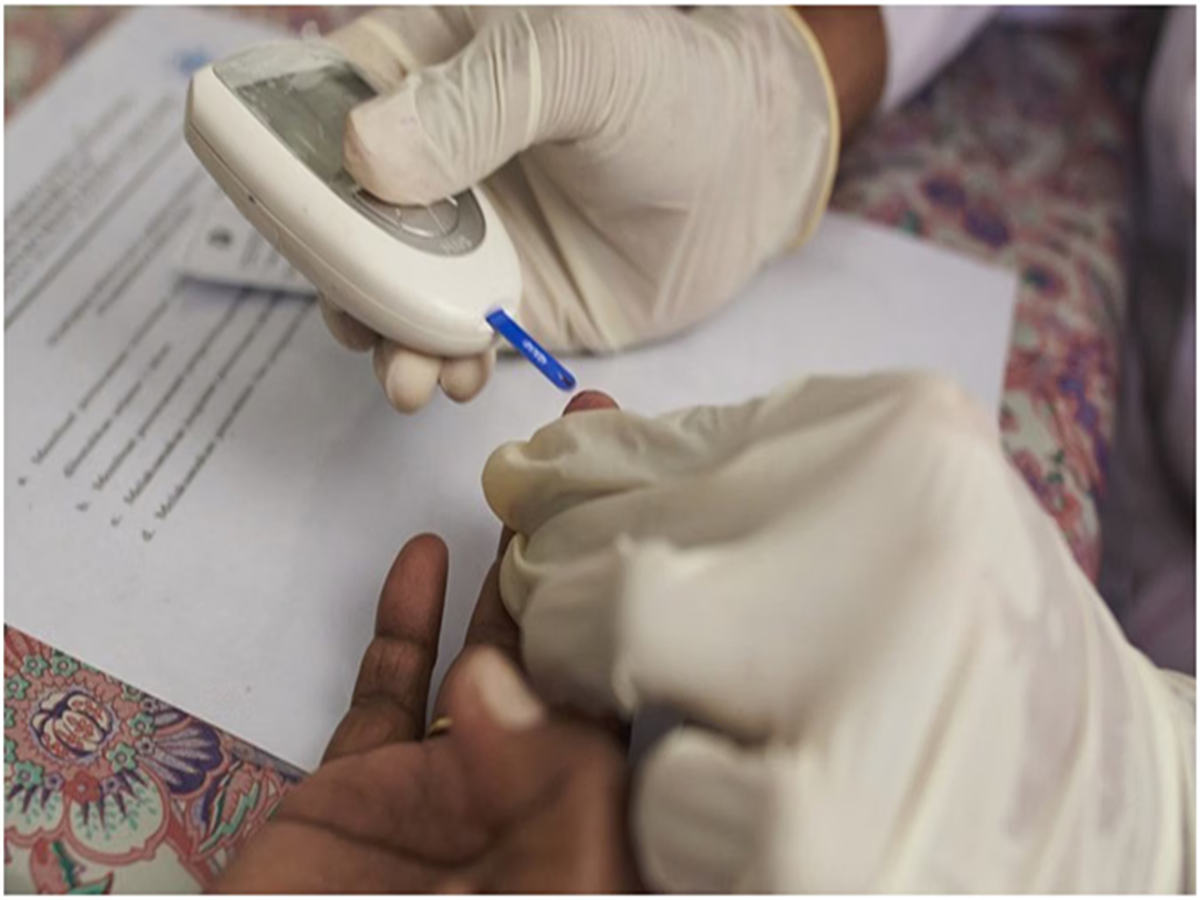
What Should Your Fasting Blood Sugar Level Be by Age? Diabetes is one of the rapidly growing health concerns today. Many people are unaware that their blood sugar levels have exceeded the normal range. In such cases, checking your blood sugar on an empty stomach in the morning can be an important way to assess the risk of diabetes. But do you know what your fasting blood sugar level should be?
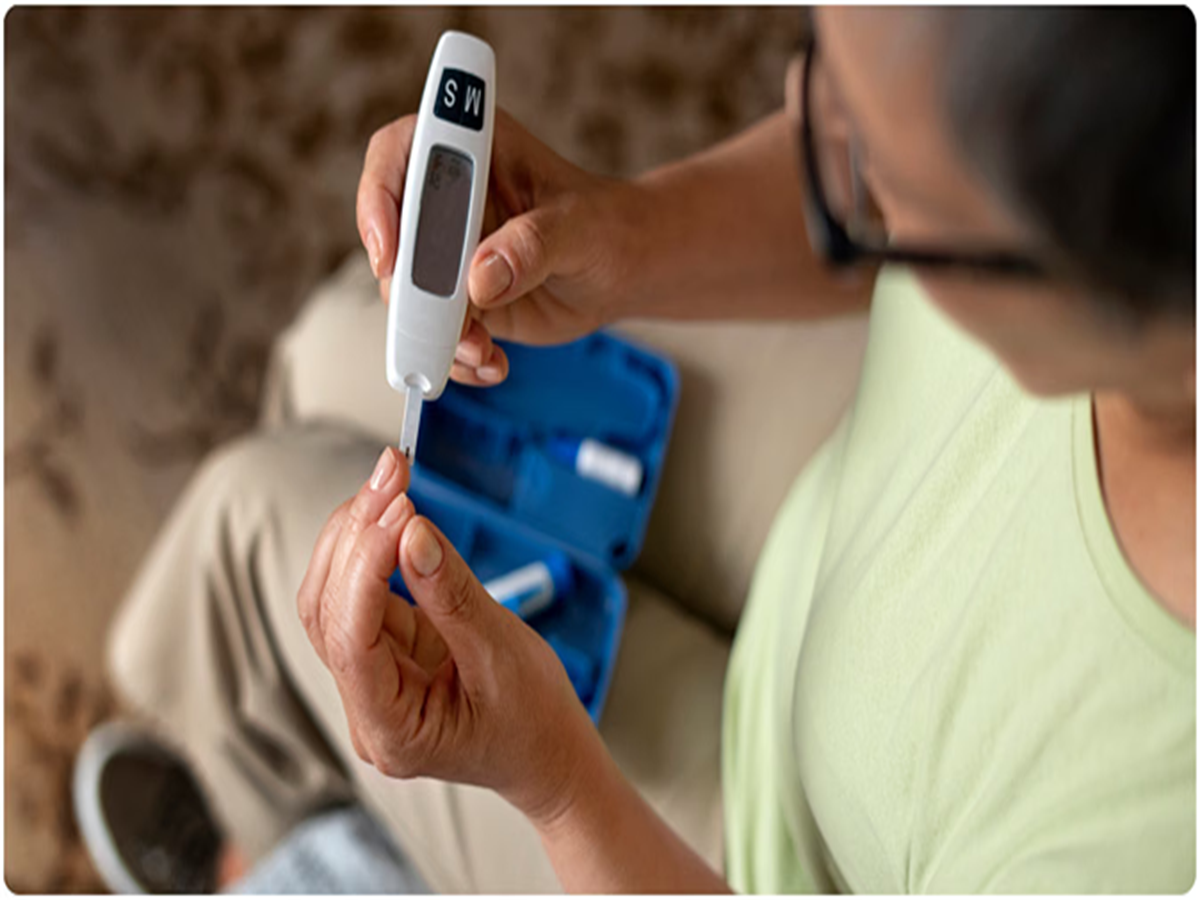
Does the normal range for blood sugar differ for children, young adults, and the elderly? On the occasion of World Diabetes Day, this article explores what your fasting blood sugar level should be, provides information on blood sugar levels by age, explains how to identify pre-diabetes and diabetes, and discusses the necessary dietary and lifestyle changes to keep rising blood sugar levels under control.
What should your fasting blood sugar level be in the morning?
A morning blood sugar test performed on an empty stomach is called a "fasting blood glucose test." For this test, you must not consume any food or drink for at least 8 hours. Generally, you are permitted to drink plain water during this period.
Normal Fasting Blood Sugar Range for Adults
Blood Sugar Level
Status
70–99 mg/dL
Normal
100–125 mg/dL
Pre-diabetes
126 mg/dL or higher
Potential range for diabetes
Note: It is essential to fast for at least 8 hours before the test. A follow-up test is typically conducted to confirm a diabetes diagnosis.
What should blood sugar levels be according to age?
It is important to understand that the diagnostic range for normal fasting blood sugar in healthy individuals does not change solely based on age. However, for those already diagnosed with diabetes, doctors may set specific targets based on age, overall health, and the presence of other medical conditions.
1. Blood Sugar in Children
For children, the normal fasting blood sugar range is also generally considered to be 70–99 mg/dL. If symptoms of diabetes—such as frequent urination, excessive thirst, and sudden weight loss—appear in children, they should be tested.
2. Age 18 to 40 years
In this age group, a normal fasting blood sugar level is 70–99 mg/dL. If the level is between 100 and 125 mg/dL, it may be an indication of pre-diabetes.
3. Age 40 to 60 years
The risk of diabetes may increase during this age range, especially if there is a family history of the condition, or if the individual is affected by obesity or physical inactivity. Regular blood sugar testing is essential.
4. Age over 60 years
For older adults, the target for blood sugar control is determined based on their overall health, the medications they are taking, and any other existing medical conditions. Therefore, one should not alter diabetes medications without consulting a doctor.
What are the symptoms of high fasting blood sugar?
When blood sugar levels rise, the body may exhibit certain signs:
Frequent thirst
Frequent urination
Increased hunger
Unexplained weight loss
Fatigue and weakness
Blurred vision
Slow wound healing
In many cases, there may be no clear symptoms during the early stages of diabetes.
What causes high blood sugar?
Consuming foods high in sugar and refined carbohydrates
Lack of physical activity
Obesity and excess fat around the abdomen
A family history of diabetes
Insufficient sleep
Prolonged stress
The impact of certain medications or other health issues
How can blood sugar be controlled?
Adopting certain habits can be beneficial for reducing the risk of diabetes and keeping blood sugar levels under control. Engage in at least 30 minutes of physical activity daily.
Include green vegetables, lentils, and fiber-rich foods in your diet.
Avoid sugary drinks and excessive sugar intake.
Try to maintain a healthy, balanced weight.
Get adequate sleep.
Have your blood sugar levels checked periodically.
If you have diabetes, take medications as prescribed by your doctor.
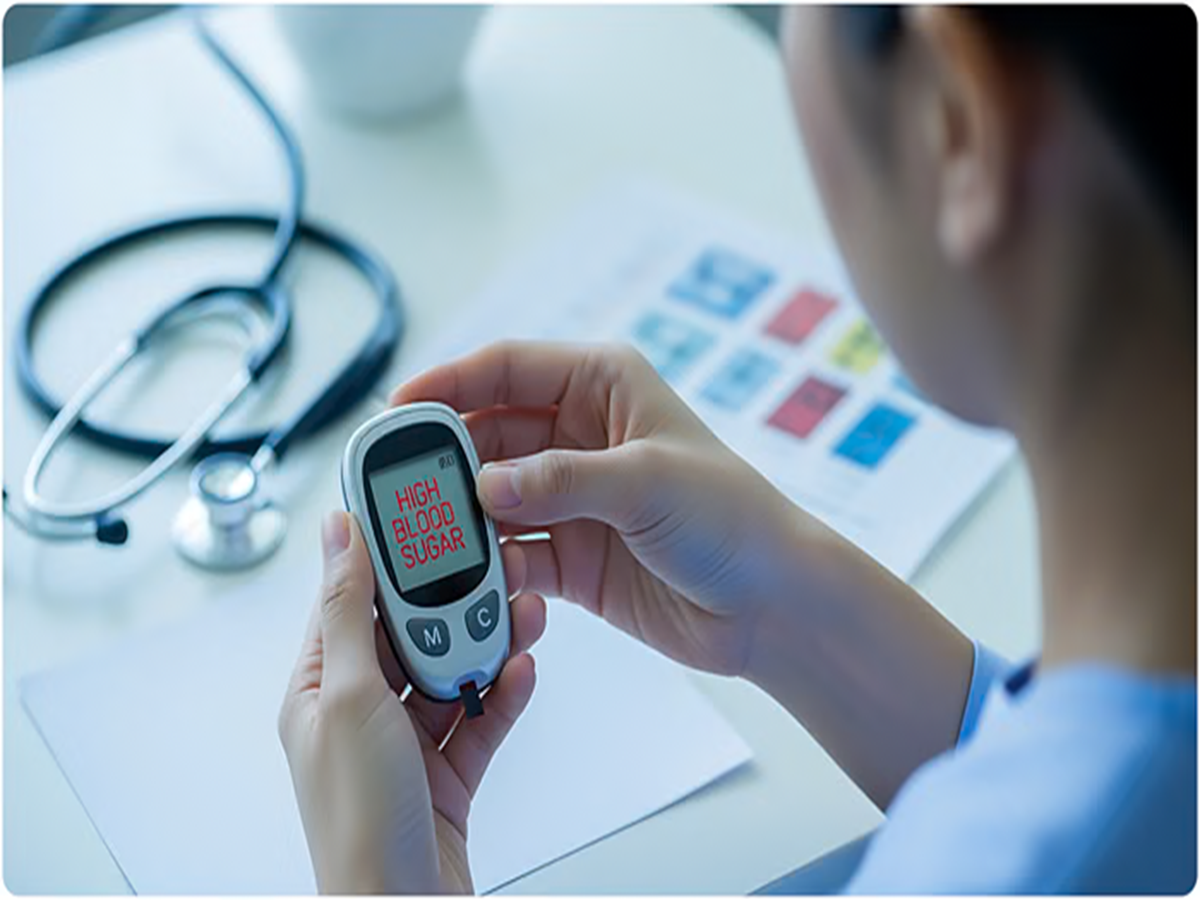
When should you consult a doctor?
Consult a doctor if your fasting blood sugar consistently measures 126 mg/dL or higher. Experiencing excessive thirst, frequent urination, and sudden weight loss are also signs that you should get checked. If you have diabetes and experience vomiting, abdominal pain, rapid or deep breathing, extreme lethargy, or loss of consciousness, seek medical attention immediately.
PC Social Media