LIFESTYLE
World Pneumonia Day 2026: Could your cough and fever be a sign of pneumonia? Do not ignore these 5 symptoms..
World Pneumonia Day: Pneumonia is a serious lung disease that is often overlooked in its early stages, as it is mistaken for a common cold, cough, or fever. However, if not identified and treated in time, it can become life-threatening.

The risk is higher among children, the elderly, and individuals with a weakened immune system. If symptoms appear, they should not be dismissed as a common seasonal illness. Let’s look at the 5 early signs of pneumonia, ways to prevent it, and the situations in which it is essential to consult a doctor immediately.
What is pneumonia, and why does it occur?
Pneumonia is an infection of the lungs, primarily caused by bacteria or viruses. In some cases, it can also be caused by fungi.
In this condition, the small air sacs (alveoli) in the lungs fill with fluid or pus, which can hinder the body from receiving sufficient oxygen. Pneumonia can affect one or both lungs. Its severity depends on the individual's age, immune status, and the type of infection.
5 Early Signs of Pneumonia
1. Persistent Cough
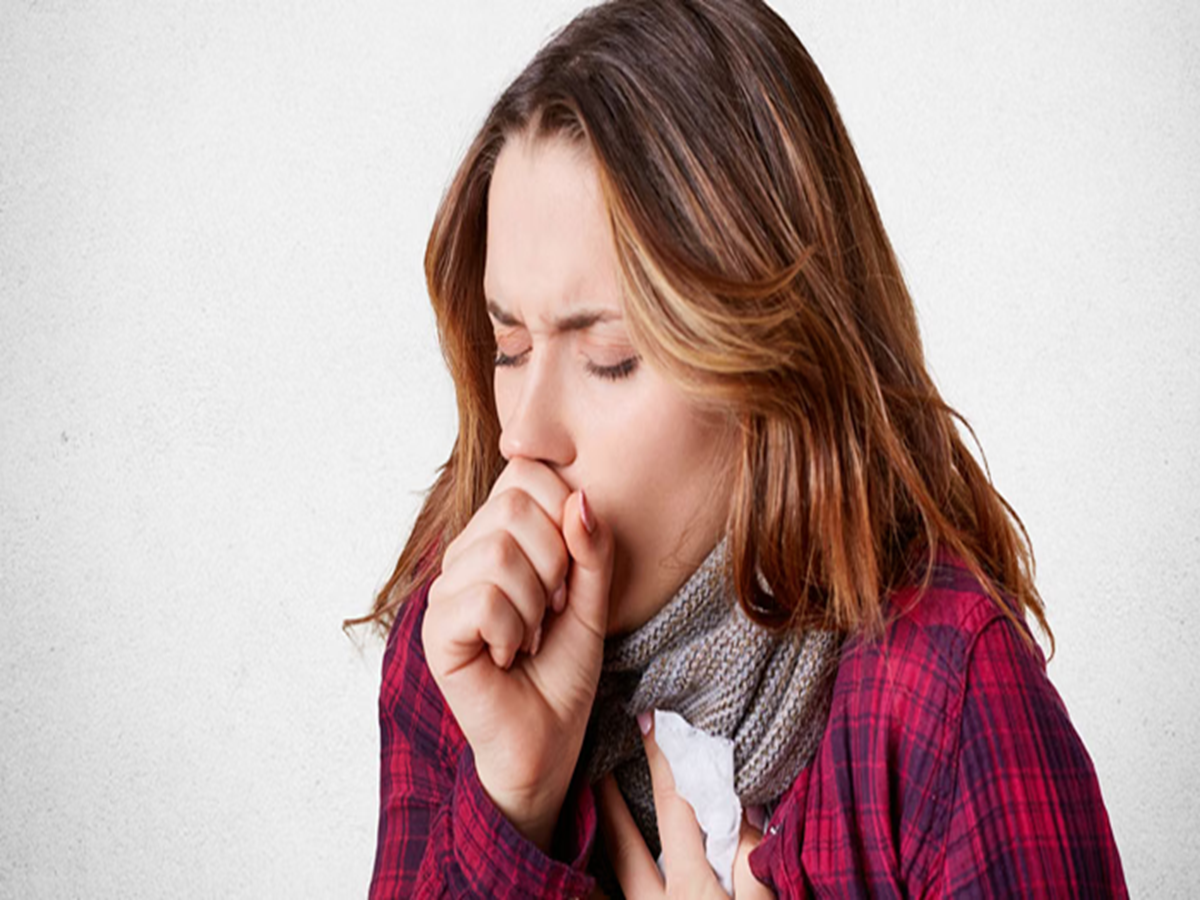
Pneumonia can cause a persistent cough. Some people may experience a dry cough, while others may cough up mucus that appears yellow, green, or, in some cases, contains traces of blood.
2. High Fever and Chills
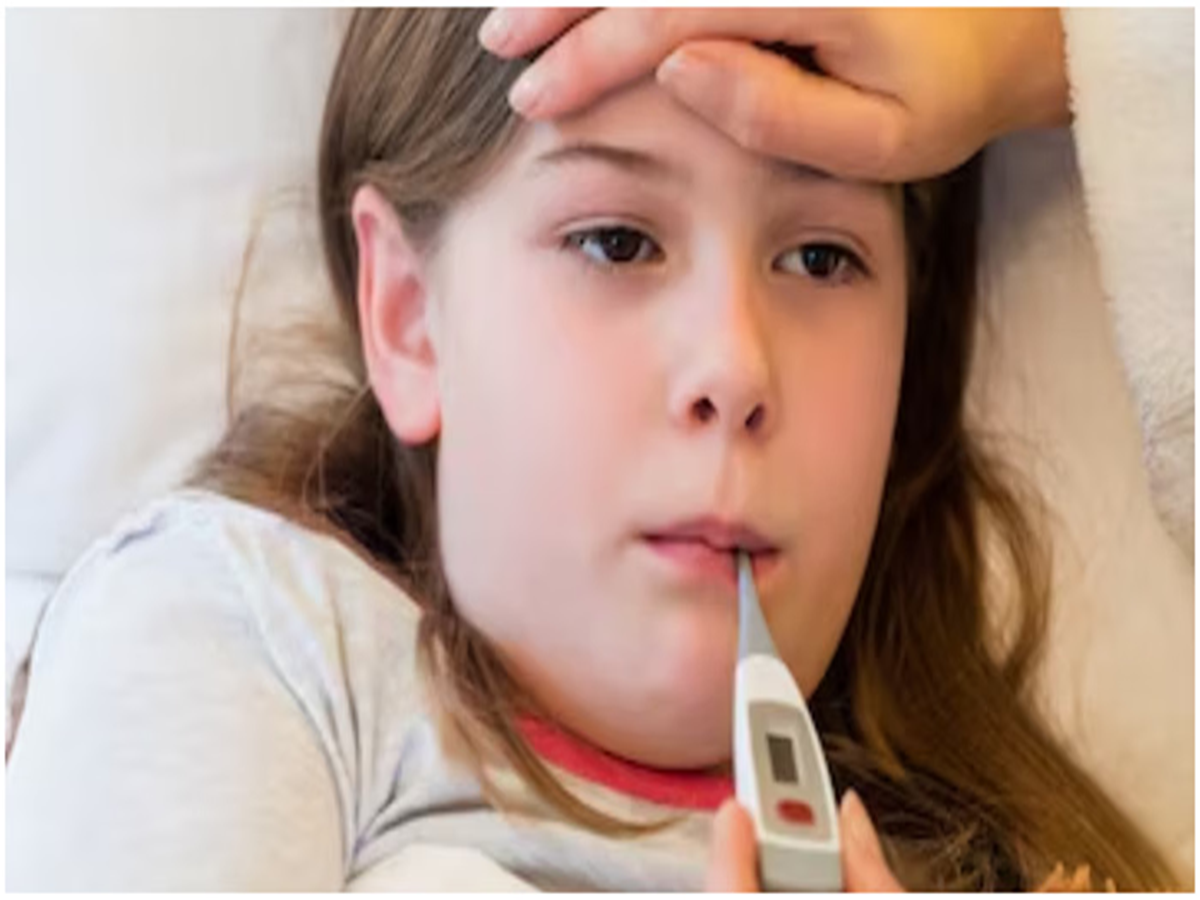
A sudden high fever, accompanied by shivering (chills) and sweating, are common symptoms of pneumonia.
3. Difficulty Breathing
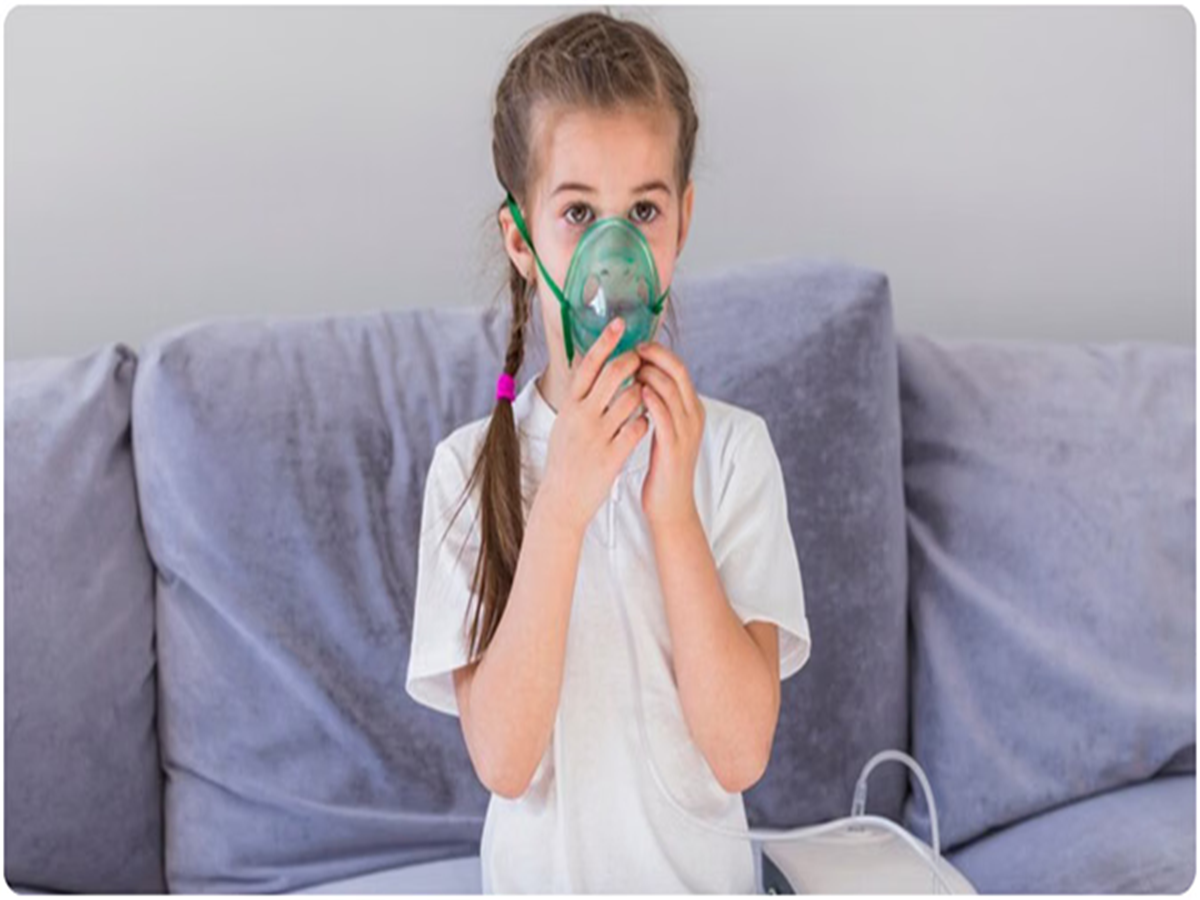
Shortness of breath—whether during light physical activity or routine tasks—rapid breathing, or general difficulty in breathing can be serious warning signs.
4. Chest Pain
You may experience pain or a sharp, stabbing sensation in the chest when taking a deep breath or coughing. This is often due to inflammation in or around the lungs.
5. Weakness and Extreme Fatigue
Pneumonia can cause significant weakness, fatigue, a loss of appetite, and difficulty in performing routine tasks. In the elderly, it may sometimes manifest as confusion or sudden changes in behavior.
Do Not Ignore These Symptoms of Pneumonia
Certain signs require immediate medical attention:
Severe difficulty in breathing.
Bluish discoloration of the lips, tongue, or fingernails.
Coughing up blood.
Sudden confusion or loss of consciousness.
An infant refusing to feed, or the area below the ribcage sinking inward while breathing.
An infant becoming extremely lethargic or difficult to wake.
Who Is at Higher Risk of Pneumonia?
The following groups are at a relatively higher risk of developing pneumonia and experiencing severe infection:
Children under 5 years of age.
Individuals over 65 years of age.
People with a weakened immune system.
Individuals with diabetes.
People suffering from asthma or chronic lung diseases.
Smokers.
Individuals suffering from malnutrition.
How Can Pneumonia Be Prevented?
Certain precautions can be taken to help prevent pneumonia:
Get vaccinated as recommended by a doctor.
Wash your hands regularly with soap.
Cover your mouth and nose when coughing or sneezing.
Try to avoid exposure to smoke and air pollution at home.
Avoid smoking.
Eat a nutritious diet and get adequate sleep.
Ensure children receive their routine vaccinations.
PC Social Media