Parenting
Your Child Isn't Mischievous—They're a Genius! How to Identify a Smart Child? Discover the 5 Signs Every Parent Should Know..
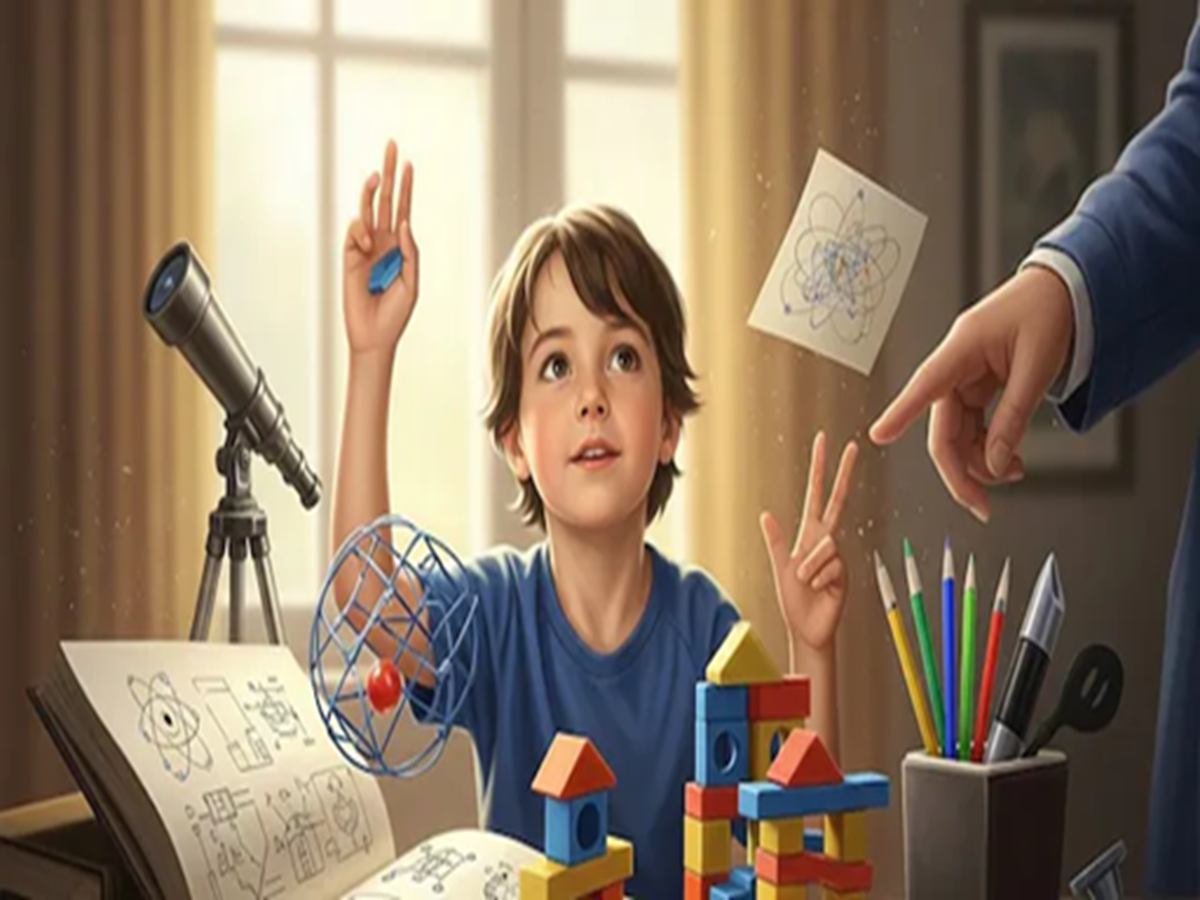
Signs of a Child Genius: When a child at home constantly asks questions, is always running around, or displays a maturity beyond their years, we often label them as "naughty" or "stubborn." Many parents even live in fear that these habits might eventually lead to trouble; however, the truth is somewhat different. Children's behavior is not always straightforward, and this very distinctiveness often turns out to be their greatest strength.
Experts believe that certain habits—which we often misunderstand in our daily lives—are actually indicators of a sharp intellect and creative thinking. The only requirement is to understand them correctly, rather than constantly correcting or reprimanding the child. If you, too, have noticed something "different" about your child, perhaps they are not ordinary—they may be on the path to becoming someone extraordinary.
**Questioning Everything: A Sign of Curiosity**
If your child asks "why" about every little thing—why the sky is blue, how a fan works, or how a mobile phone operates—do not make the mistake of interpreting this as rudeness.
**What Does It Mean?**
This habit indicates that the child is eager to learn. Such children do not merely listen; they seek to understand. It is often observed that children who ask more questions tend to grasp concepts more quickly in school. Their thinking is not superficial; rather, it delves deep beneath the surface.
**Being Active All the Time: Not Just Excess Energy, But an Active Mind**
Some children simply cannot sit still in one place. They might be jumping one moment, running the next, or constantly starting something new.
**What Does It Mean?**
This is not merely mischief; it could be a sign of the rapid pace at which their mind operates. When such children are given the right direction—such as through sports, dance, or art—that very energy transforms into their greatest strength. Many successful athletes and artists exhibited these very traits during their childhood.
**Understanding Profound Concepts at a Young Age**
If, at a tender age, your child demonstrates an understanding of relationships, emotions, or the distinction between right and wrong, it is a significant sign.
**What Does It Mean?** This indicates that their emotional and mental development is progressing at a pace faster than the norm. Such children mature early and handle difficult situations with remarkable prudence. At home, they often grasp the nuances of adult conversations with ease.
**Preferring to Spend Time Alone**
It is not a requirement that every child must constantly be surrounded by friends. Some children enjoy playing alone or simply getting lost in their own thoughts.
**What Does This Mean?**
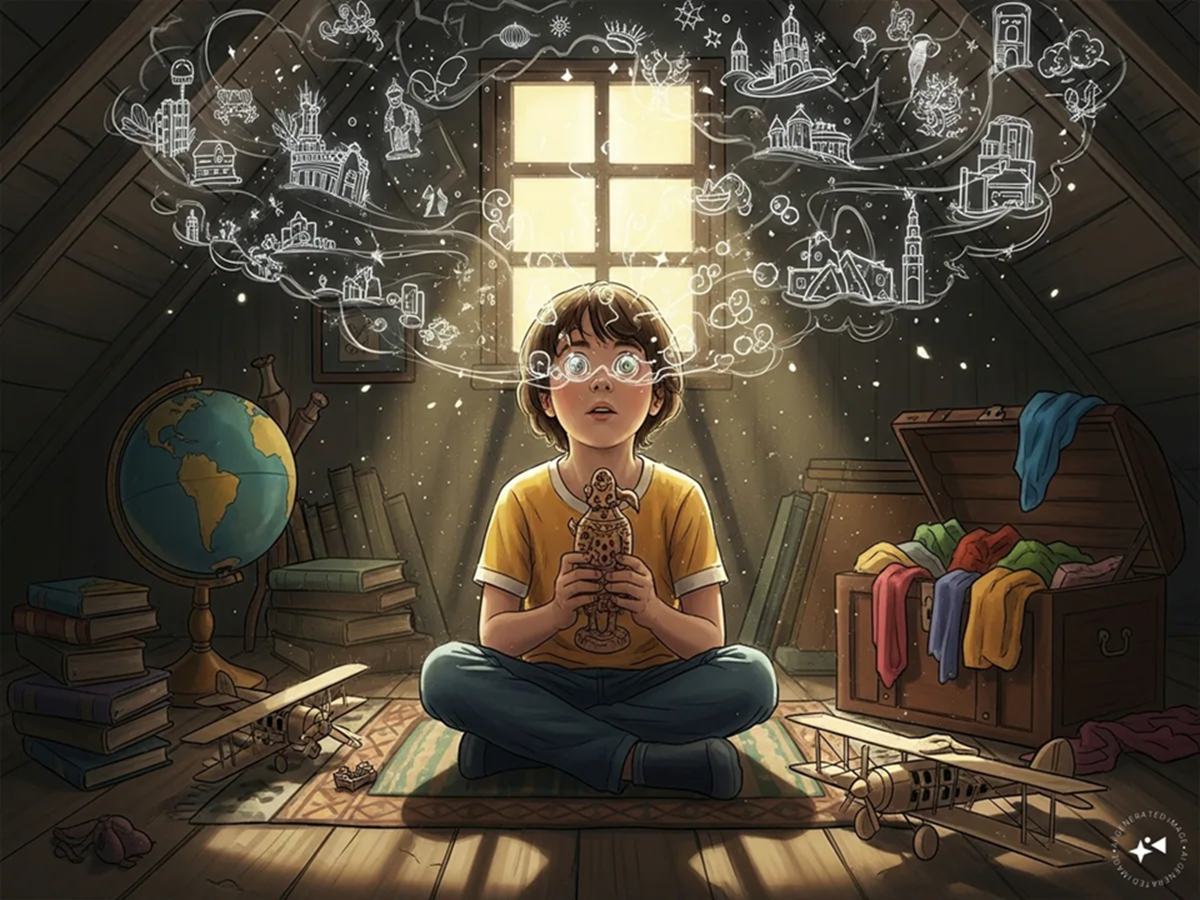
This is not necessarily a sign of an introverted nature, but rather a manifestation of a creative mindset. During their solitary moments, children construct their own worlds—sometimes weaving stories, at other times generating ideas. It is this very habit that, in the long run, fosters their capacity for innovation.
**Questioning Rules**
If, instead of blindly adhering to every rule, a child asks, "Why must we do it this way?", this, too, serves as a significant indicator.
**What Does This Mean?**
This demonstrates their capacity for critical thinking. Such children scrutinize everything and form their own independent understanding. It is this specific quality that eventually shapes them into leaders—individuals who make decisions based on their own intellect rather than simply following the crowd.
**What Is Essential for Parents?**
Every child's developmental journey is unique. What truly matters is not how "quiet" or "compliant" a child is, but rather the nature of their thinking process.
Instead of constantly curbing their actions, parents should actively encourage and nurture their child's curiosity. Rather than scolding them, parents should take the time to explain things and channel the child's energy in a constructive direction. Ultimately, gifted children are inherently distinct—we simply need the discerning eye to recognize them.
PC Social Media