LIFESTYLE
Jagannath Rath Yatra: Why are the idols of Lord Jagannath, Balabhadra, and Goddess Subhadra incomplete at the Puri Shrimandir?
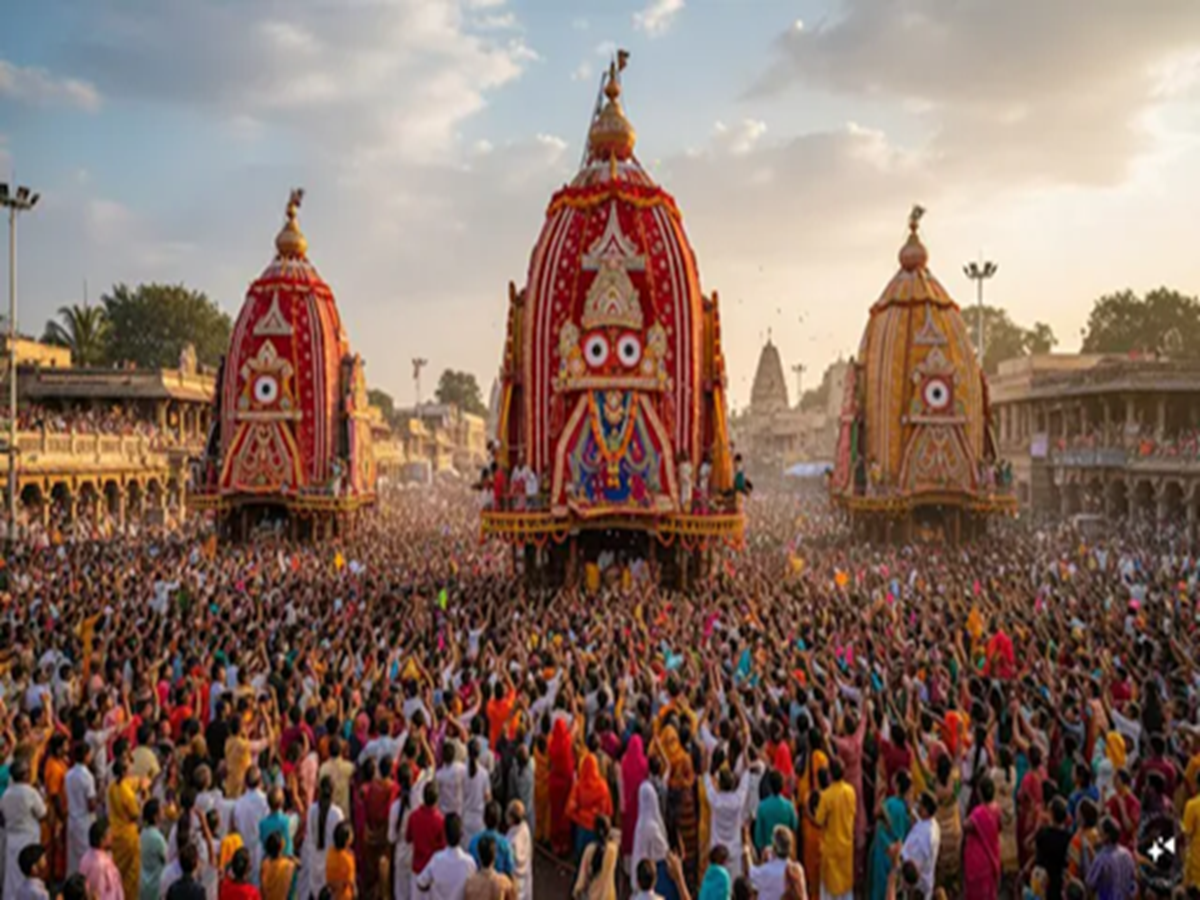
Jagannath Rath Yatra 2026: Every year, when Lord Jagannath sets out on a procession through the city aboard massive chariots alongside his brother Balabhadra and sister Subhadra, the eyes of millions of devotees turn towards Puri. This is not merely a religious procession; it is a confluence of faith, tradition, and mystery that has captivated people for centuries. There is an atmosphere of excitement across the country regarding the Jagannath Rath Yatra, which begins today, Thursday, July 16, 2026. Yet, a question regarding this festival persists in people's minds: why are the idols of Lord Jagannath, Balabhadra, and Goddess Subhadra incomplete?
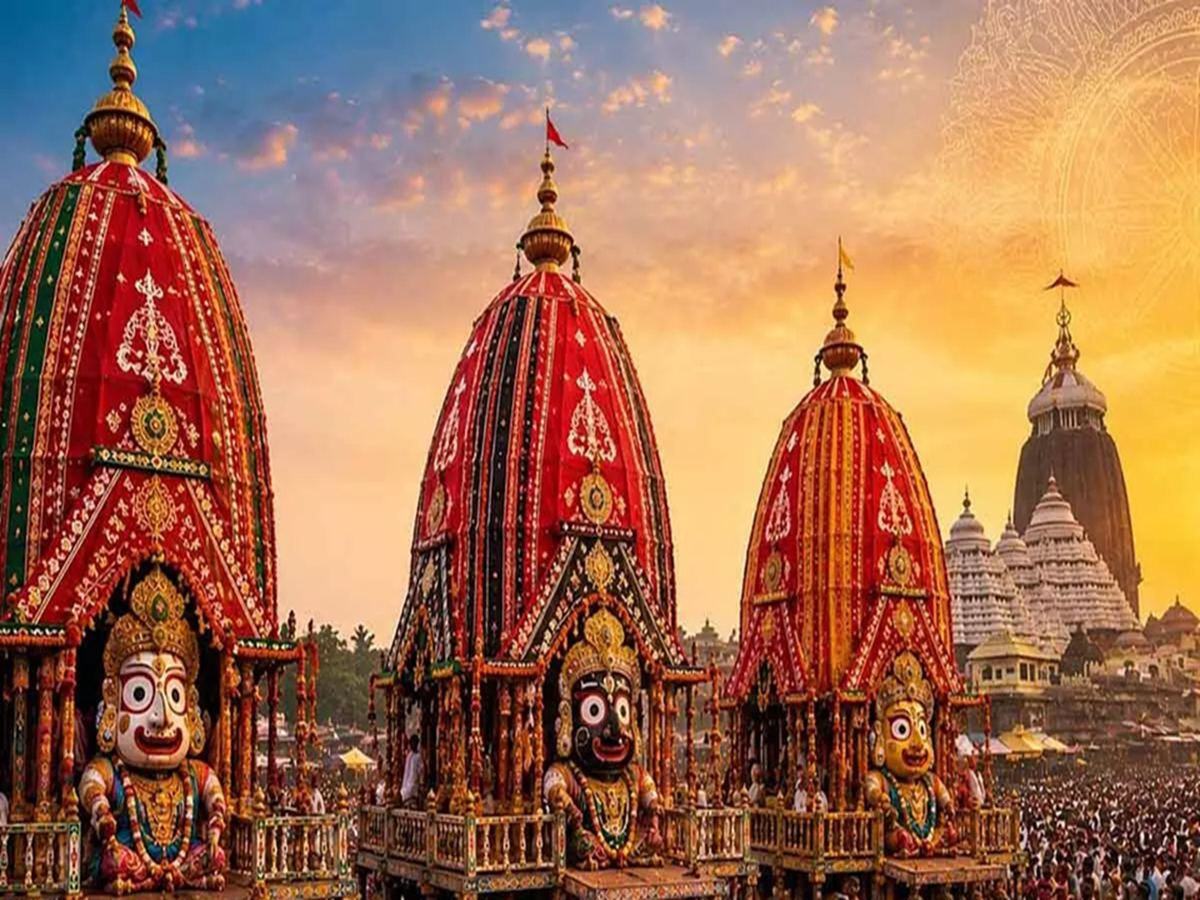
While most temples across the country enshrine complete idols of deities, why are incomplete idols worshipped in Puri? The mythological legend behind this is linked to the extraordinary form of Lord Krishna and a test of a devotee's faith.
Lord Jagannath’s Grand Rath Yatra Begins Today, July 16
The Jagannath Rath Yatra, held on the second day (*Dwitiya Tithi*) of the bright fortnight (*Shukla Paksha*) of the *Ashadha* month, is considered one of the most significant religious events in Hinduism. In 2026, the procession begins on Thursday, July 16. During this event, Lord Jagannath, his elder brother Balabhadra, and sister Subhadra travel from the *Shrimandir* (main temple) to the *Gundicha* Temple, seated on their respective colossal chariots. It is believed that on this day, the Lord himself comes amidst his devotees. This is why millions of devotees travel from far and wide to Puri, seeking the privilege of pulling the chariots. It is believed that anyone who pulls the chariot's rope with devotion becomes a recipient of the Lord's special grace.
Why are incomplete idols worshipped?
The story linked to King Indradyumna's dream.
According to mythological beliefs, King Indradyumna of Malwa was an ardent devotee of Lord Vishnu. One night, the Lord appeared to him in a dream and commanded him to build a grand temple in Puri. He also expressed a desire to be enshrined in a specific form. The King began searching for suitable wood to craft the divine idol. After an extensive search, he discovered a remarkable log of wood on the seashore. It was said that this wood would neither burn nor sink, and merely touching it brought a profound sense of peace to the mind. It was regarded as the *Divya Daru* (divine wood) of the Lord.
**Lord Vishwakarma’s Condition: A 21-Day Task**
Although the wood had been found, no artisan could be located to carve it into a divine form. Then, an elderly man arrived at the King's court. Legend holds that he was no ordinary craftsman, but Lord Vishwakarma—the architect of the gods—himself. He agreed to carve the idols but imposed a condition: he would work alone in a closed chamber for 21 days. During this period, no one was to open the door; if anyone did so prematurely, he would abandon the work unfinished and leave.
The King accepted this condition, and the work of carving the idols commenced.
**The King’s Impatience Led to Unfinished Idols**
For the first few days, the sounds of tools could be heard from the room, but after some time, a sudden silence fell. King Indradyumna grew anxious, fearing that some mishap might have befallen the elderly artisan. Driven by worry, he opened the chamber door on the 15th day—before the 21-day period had elapsed. As the door opened, the artisan was nowhere to be found. Inside the room stood the idols of Lord Jagannath, Balabhadra, and Subhadra, but their hands and feet were not fully formed.
The King felt deep remorse for his error.
**A Divine Voice Reveals the Lord's Will**
According to the legend, a disembodied voice from the heavens (*Akashvani*) declared that the King had violated the rule by opening the door prematurely, which was why the idols remained incomplete. However, the Lord also proclaimed that this was indeed the form He cherished, and in the *Kaliyuga* (the current era), He would be worshipped in this very form. It is because of this belief that these seemingly unfinished idols are worshipped to this day at the Jagannath Temple in Puri. This very form is considered a symbol of the Lord's compassion, simplicity, and love for His devotees.
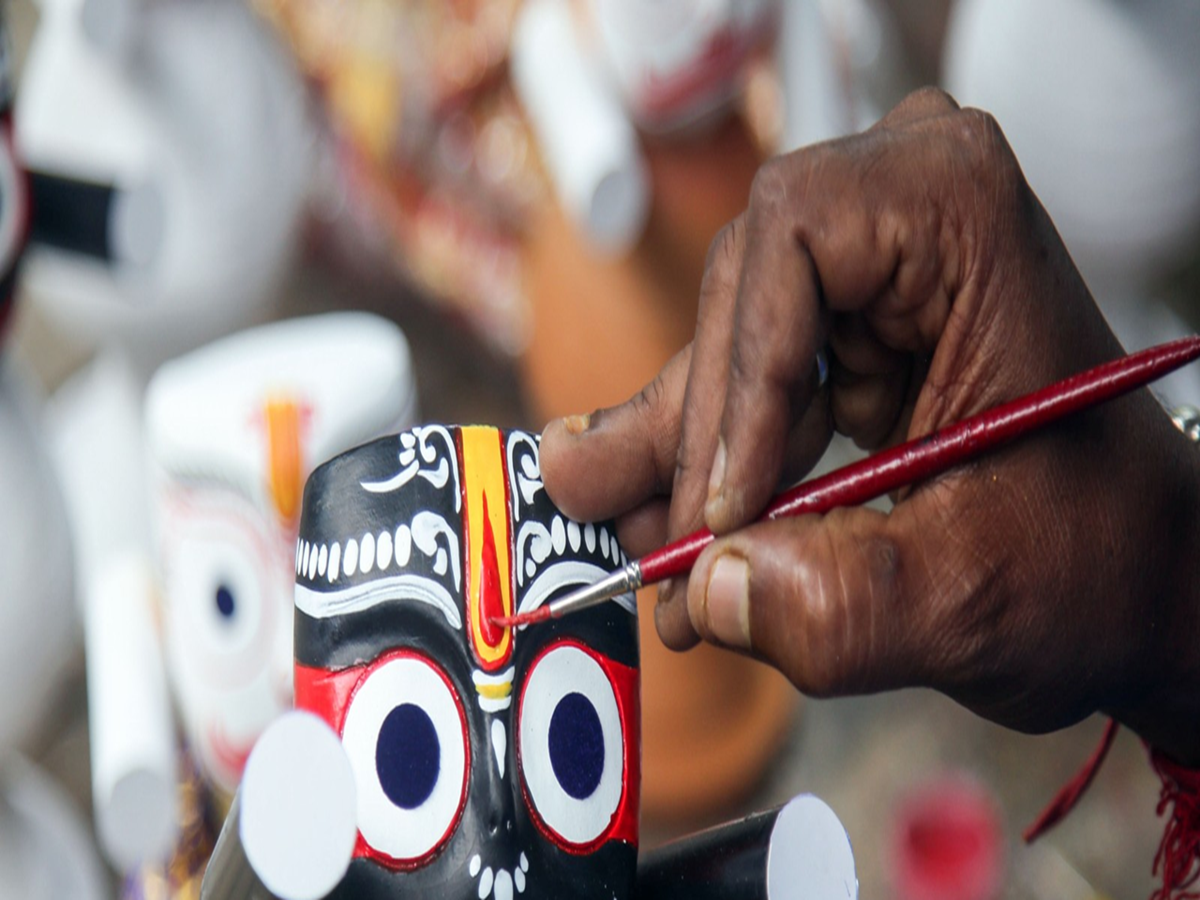
What is the spiritual significance of the large eyes and the unfinished form?
According to religious scholars, Lord Jagannath's large eyes signify that the Lord casts an equal gaze upon all His devotees. Meanwhile, the unfinished state of the hands and feet conveys the message that the Divine is not bound by any single form or limitation; His nature is far more vast and divine than human imagination can conceive. This is precisely why the idol of Jagannath appears so distinct from the idols found in other temples, and this uniqueness is its most defining characteristic.
PC Social Media