LIFESTYLE
Puri Jagannath Temple: Lord Krishna's heart still beats in this temple! Discover the mystery..
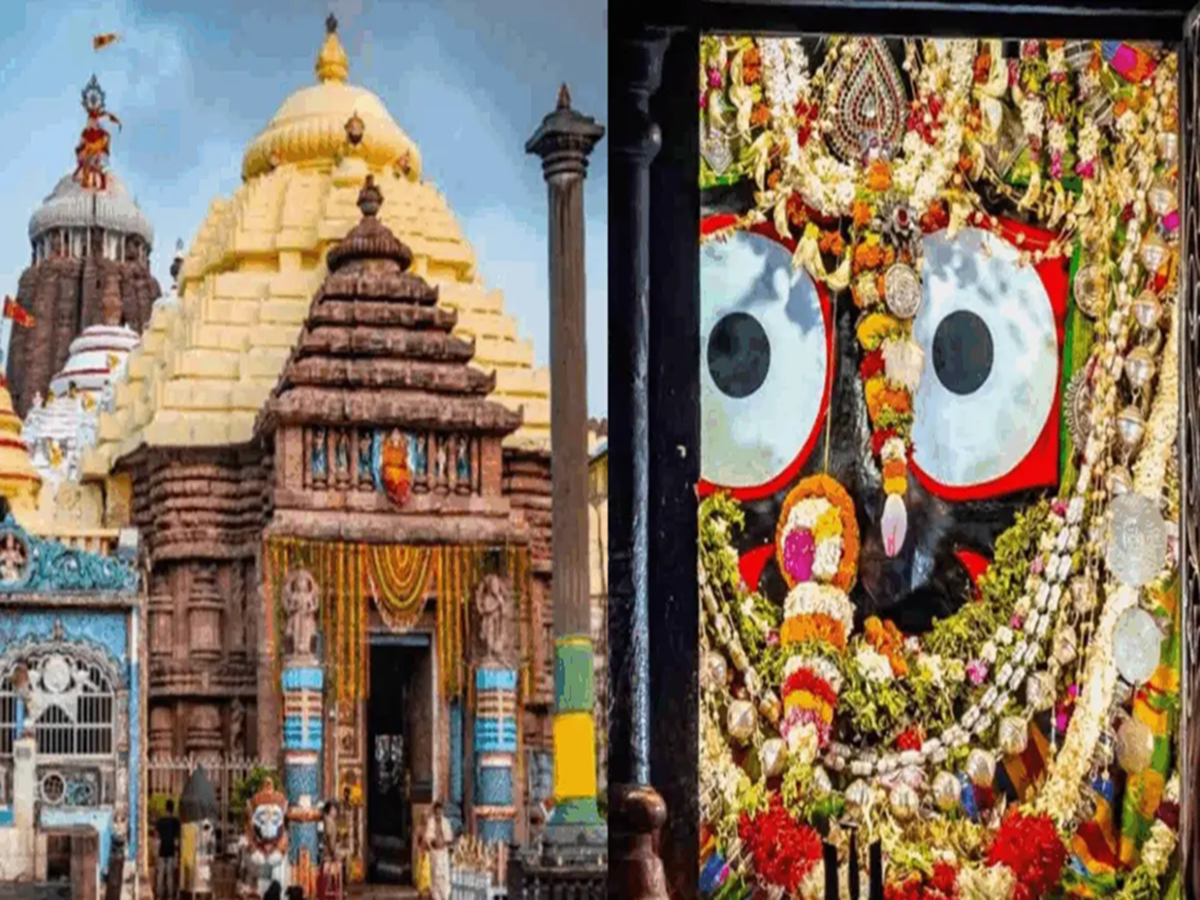
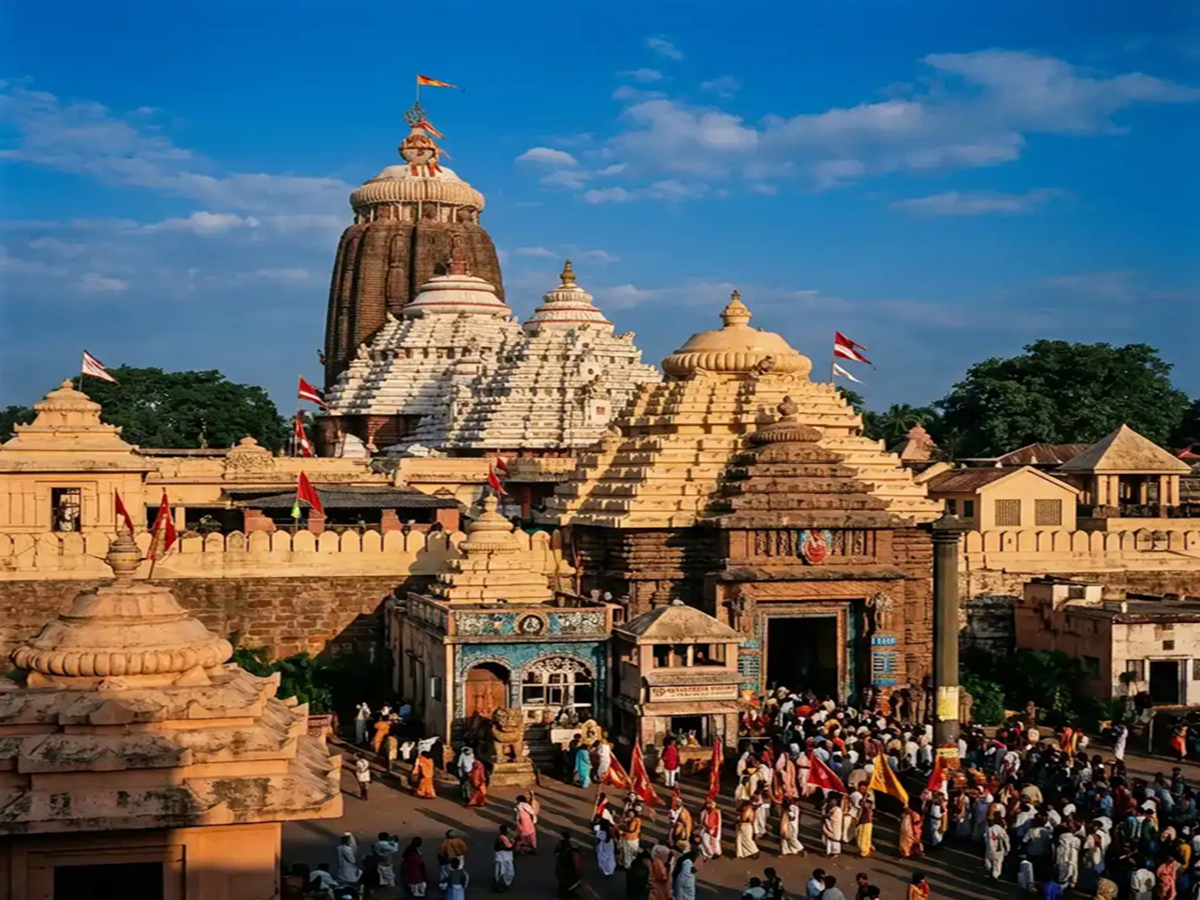
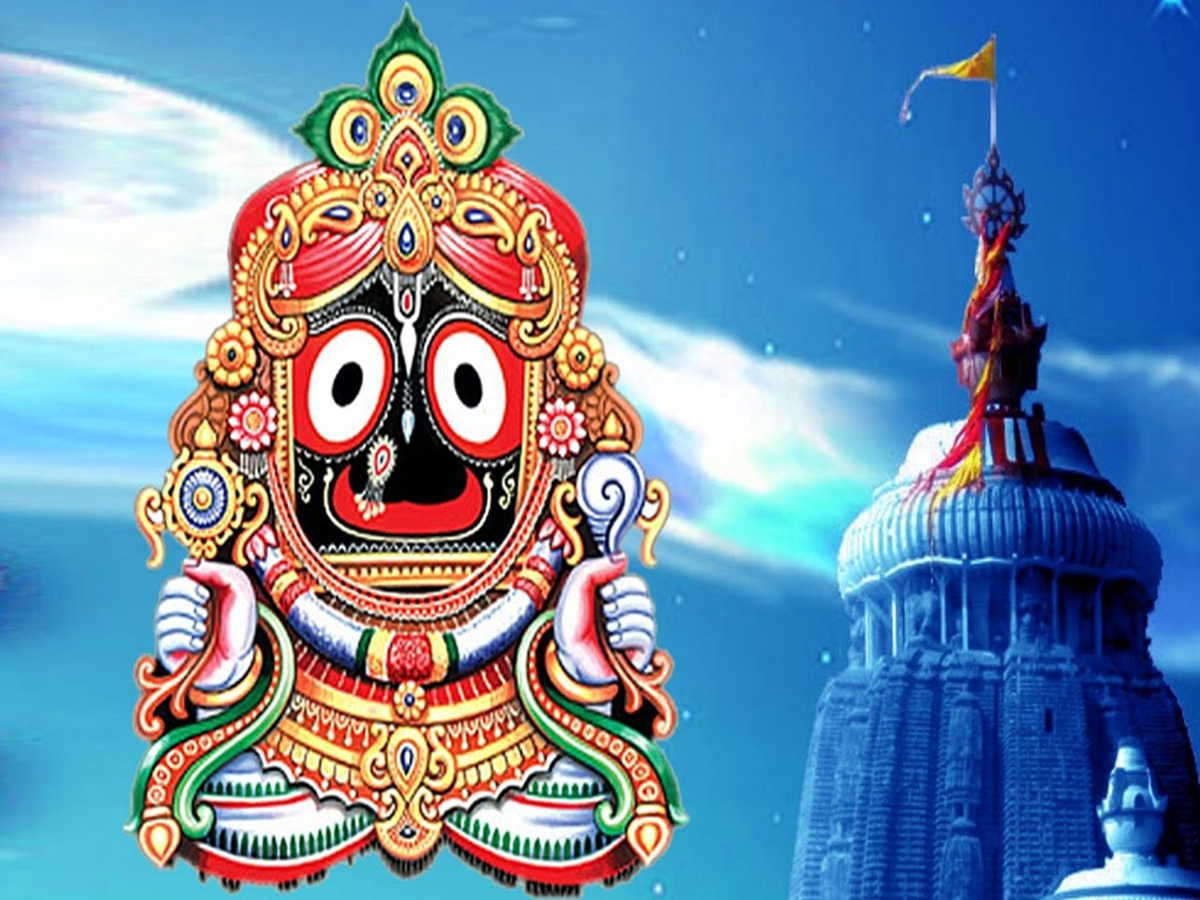
Puri Jagannath Temple: India is home to many temples associated with beliefs that leave people amazed. One such temple is the Lord Jagannath Temple in Puri, Odisha. Considered one of the *Char Dhams* (four sacred pilgrimage sites), it attracts millions of devotees every year. The Jagannath Temple is renowned worldwide not only for its magnificent *Rath Yatra* (Chariot Festival) but also for a mysterious belief: that the divine heart of Lord Krishna remains safely enshrined within the idol of Lord Jagannath. This belief has persisted for centuries and is counted among the temple's most sacred traditions.
Although there is no scientific evidence to substantiate this, millions of devotees hold it as a tenet of their unwavering faith. This is why a special religious ritual involving this divine element is performed during the *Nabakalebara* ceremony.
**The Belief Surrounding Lord Krishna's Heart**
According to mythological belief, when Lord Krishna departed from his mortal body, his last rites were performed. It is said that one divine part of his body did not fully burn in the fire; this is regarded as the Lord's heart or the *Brahma Tatva* (Divine Essence). Subsequently, this divine element reached Puri and was enshrined within the idol of Lord Jagannath. This belief is mentioned in folklore and religious traditions, and devotees continue to place deep faith in it.
**What is *Brahma Padartha*?**
In the traditions of the Jagannath Temple, this divine element is referred to as *Brahma Padartha* or *Brahma Tatva*. Its true nature remains a mystery to this day. No one is permitted to see it or display it publicly. According to temple traditions, it symbolizes the Lord's divine power and is preserved with the utmost secrecy.
**A Special Ritual Performed During *Nabakalebara***
When the *Nabakalebara* ceremony takes place—usually during an *Adhik Maas* (an extra lunar month)—new idols of Lord Jagannath, Balabhadra, Subhadra, and Sudarshan are carved from Neem wood. During this process, the *Brahma Padartha* is transferred from the old idol to the new one. This procedure is conducted in complete secrecy; in accordance with tradition, it takes place at night behind the closed doors of the temple. At that time, the lights throughout the temple are switched off, and only select *sevayats* (temple servitors) participate in this religious ritual.
**Why can no one witness this process?**
According to the temple's centuries-old tradition, the process of transferring the *Brahma Padartha* is considered extremely sacred. Therefore, no ordinary person is permitted to witness it. It is believed to be a matter of divine will and faith. For this reason, full details of the process are not made public, and its secrecy remains intact to this day.
**A unique blend of faith and mystery**
The Jagannath Temple in Puri is not merely a religious site but a vital part of India's cultural and spiritual heritage. Its traditions and rituals—such as the Rath Yatra, Mahaprasad, and Nabakalebara—attract people from across the country and the world. The belief concerning the heart of Lord Shri Krishna is also among the temple's most renowned traditions. Although not scientifically proven, for devotees, it remains a matter of deep faith and conviction.
**What is its significance for devotees?**
For those who visit the Jagannath Temple, it is not just a place for *darshan* (viewing the deity) but a center of unwavering devotion to the Lord. The millions of devotees who visit believe that Lord Jagannath is an embodiment of Lord Shri Krishna himself. Consequently, the belief surrounding the *Brahma Padartha* further strengthens their faith. This is why a vast number of devotees flock here every year, especially during the Rath Yatra.
PC Social Media