LIFESTYLE
Planning to bring a Kanwar? First, understand the differences between Dak, Khadi, and Sadharan Kanwars..

As the month of Sawan arrives, a unique spirit of devotion to Lord Shiva permeates the entire country. During this period, millions of devotees set out to fetch water from the Ganges, Yamuna, and other sacred rivers to perform *Jalabhishek* (ritual offering of water) to their revered Lord Shiva. This religious pilgrimage is known as the *Kanwar Yatra*. Clad in saffron robes and chanting "Bam-Bam Bhole" and "Har-Har Mahadev," the *Kanwariyas* (pilgrims) exemplify devotion, penance, and dedication. While many are familiar with the *Kanwar Yatra*, few realize that there are various types of *Kanwars*, each with its own distinct significance, rules, and traditions.
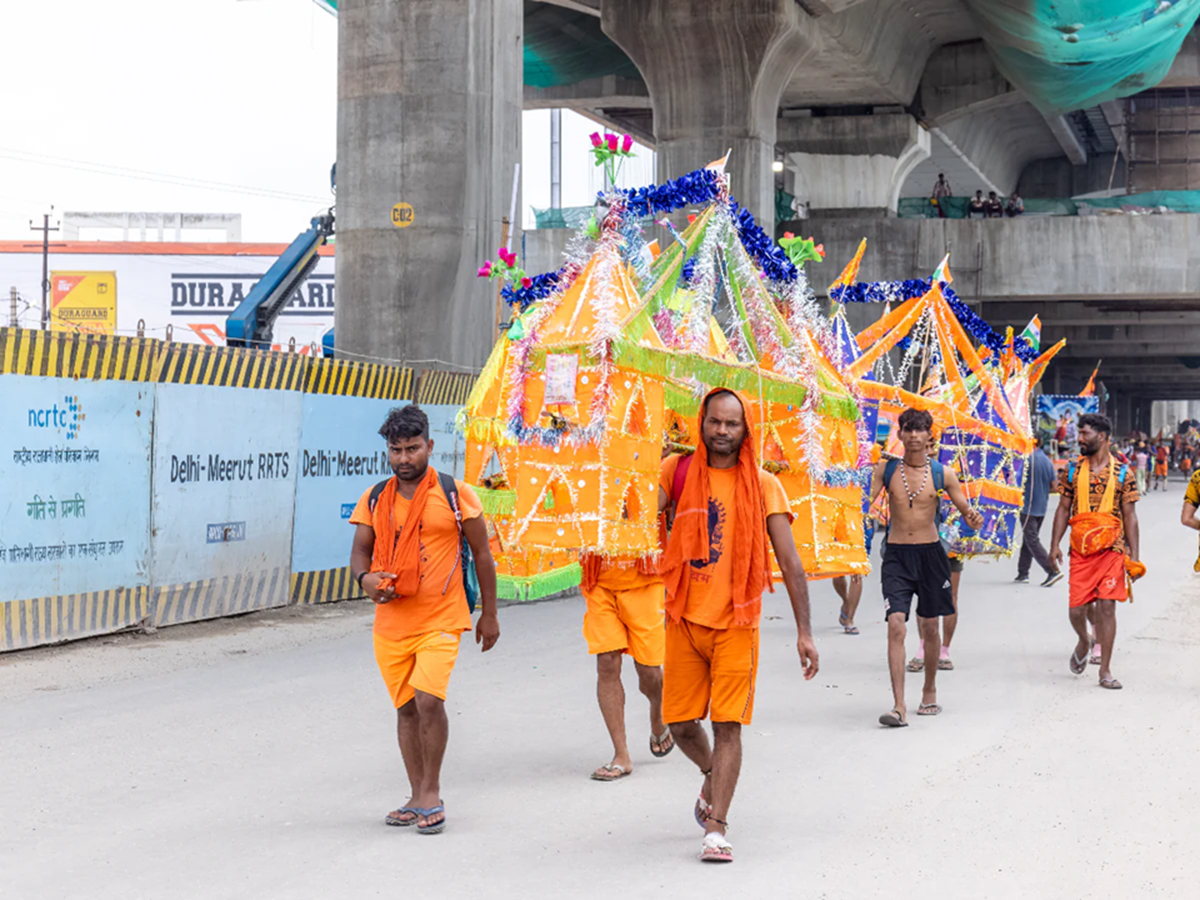
Priest Shubham Tiwari explained that the most common and popular form is the 'Sadharan Kanwar' (ordinary *Kanwar*). In this form, devotees fill a *Kanwar* with water from a sacred river and carry it on their shoulders while traveling on foot. They may take regular breaks during the journey and offer water upon reaching their temple or *Shivalaya* within the stipulated time. This type of *Kanwar* is particularly popular among devotees who wish to experience the pilgrimage alongside their act of devotion.
**What is 'Dak Kanwar'?**
On the other hand, the *Dak Kanwar* is considered the most arduous and disciplined form. Here, after collecting the water, the *Kanwariyas* reach their destination by running or walking briskly without stopping. It is essential to offer the water to the *Shivling* within a specific timeframe during this journey. Devotees undertaking the *Dak Kanwar* often travel in groups and do not rest along the way; consequently, it is regarded as a symbol of exceptional courage, energy, and resolve.
**Special Features of 'Khadi Kanwar'**
The *Khadi Kanwar* is another significant form of the *Kanwar Yatra*. Its rules are stricter than those of the ordinary *Kanwar*. This type of *Kanwar* is never placed on the ground during the journey; when the devotee rests, the *Kanwar* is placed on a special stand or support. It is believed that this practice preserves the sanctity of the *Kanwar*. Devotees carrying the *Khadi Kanwar* observe specific precautions and adhere to religious protocols throughout the pilgrimage.
Significance of the 'Jhula Kanwar'
Apart from this, the 'Jhula Kanwar' is also popular in many regions. In this type, the *Kanwar* is designed so that it appears to swing in a balanced manner on both sides. It is considered relatively lightweight and convenient, making long-distance travel easier. Many devotees choose this type of *Kanwar* based on their convenience and tradition.
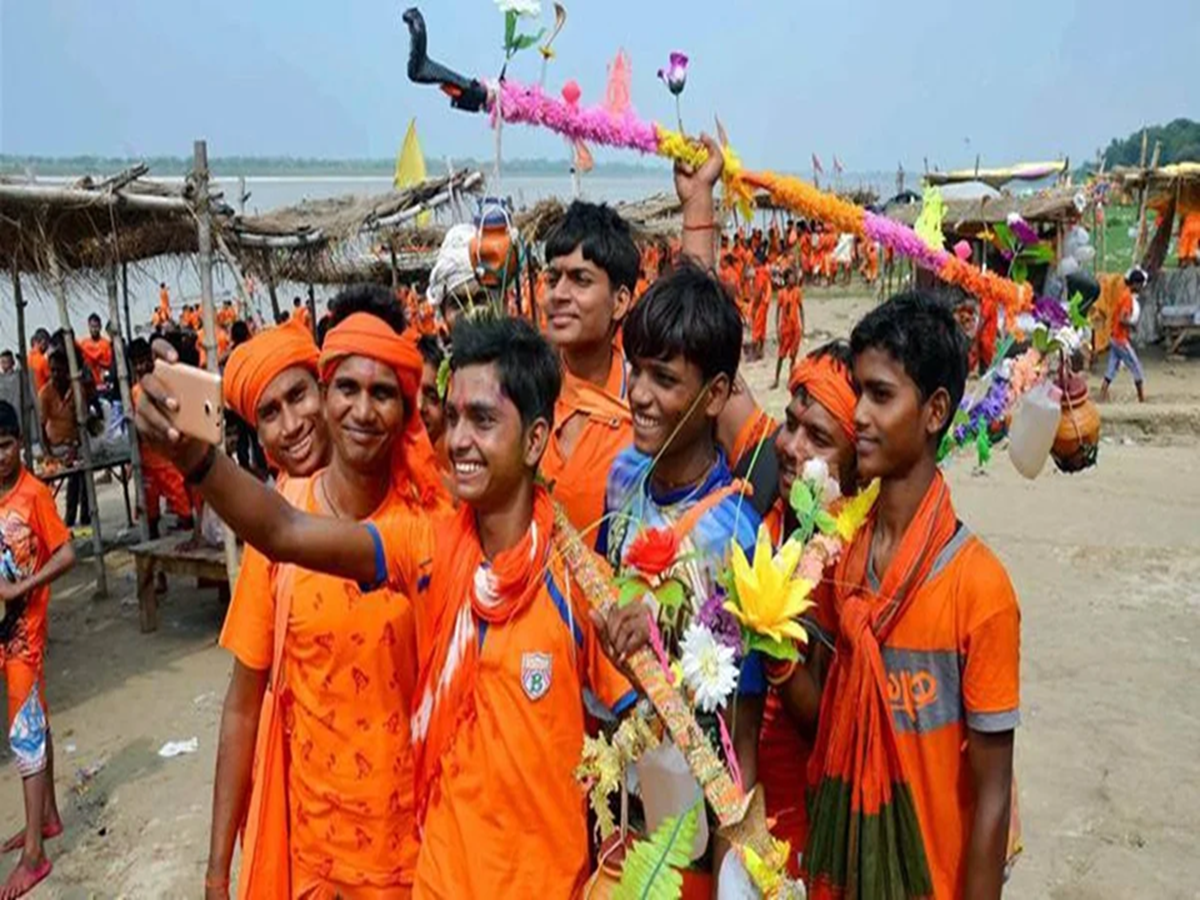
The *Kanwar Yatra* is not merely a tradition of fetching water; it is also an observance of self-restraint, discipline, and devotion. During the journey, the *Kanwariyas* consume *Sattvic* food, maintain strict cleanliness, and move forward while chanting the name of Lord Shiva. This is why every type of *Kanwar* is regarded not just as a mere tool, but as a distinct expression of faith.
PC Social Media