LIFESTYLE
A deficiency of this vitamin in the body causes the blood-clotting system to fail, preventing blood from stopping..
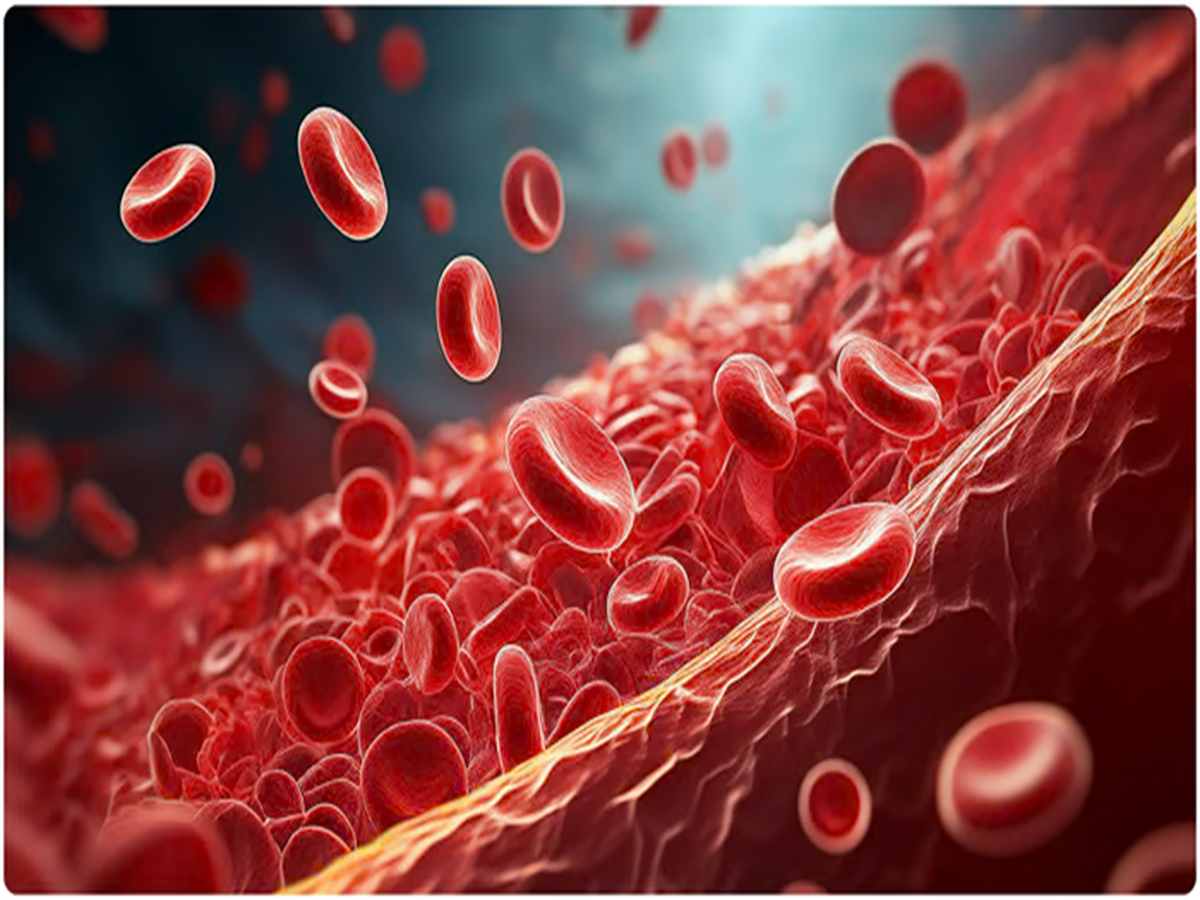
It is natural for blood to flow when you sustain an injury or a cut, but it eventually stops on its own. Have you ever wondered how this happens—how the bleeding stops by itself?
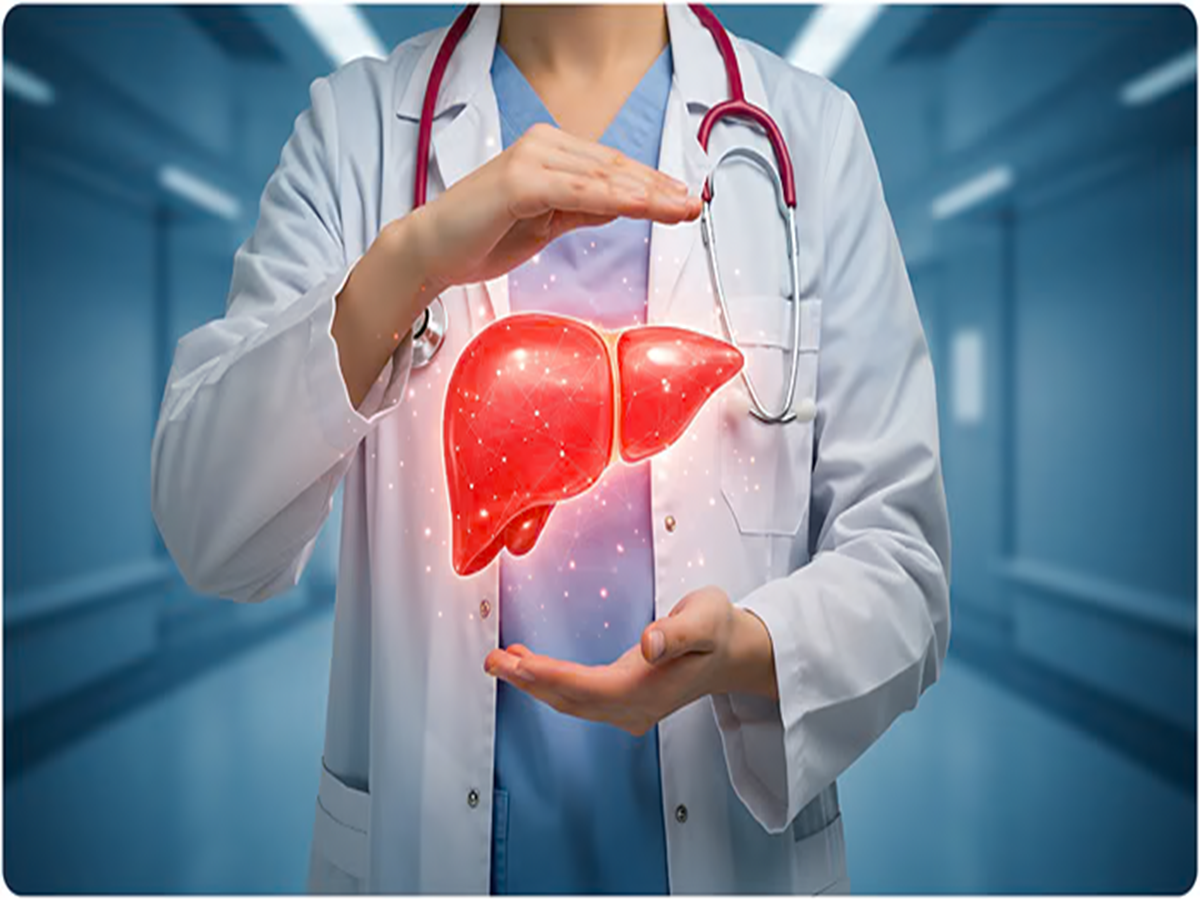
In reality, the body possesses a natural mechanism for blood clotting, which is triggered the moment an injury occurs. Vitamin K plays a crucial role in this process; it assists the liver in producing proteins that form blood clots, thereby halting the bleeding. If the body lacks this vitamin, even a minor injury can become problematic, and the healing of wounds may also be hindered.
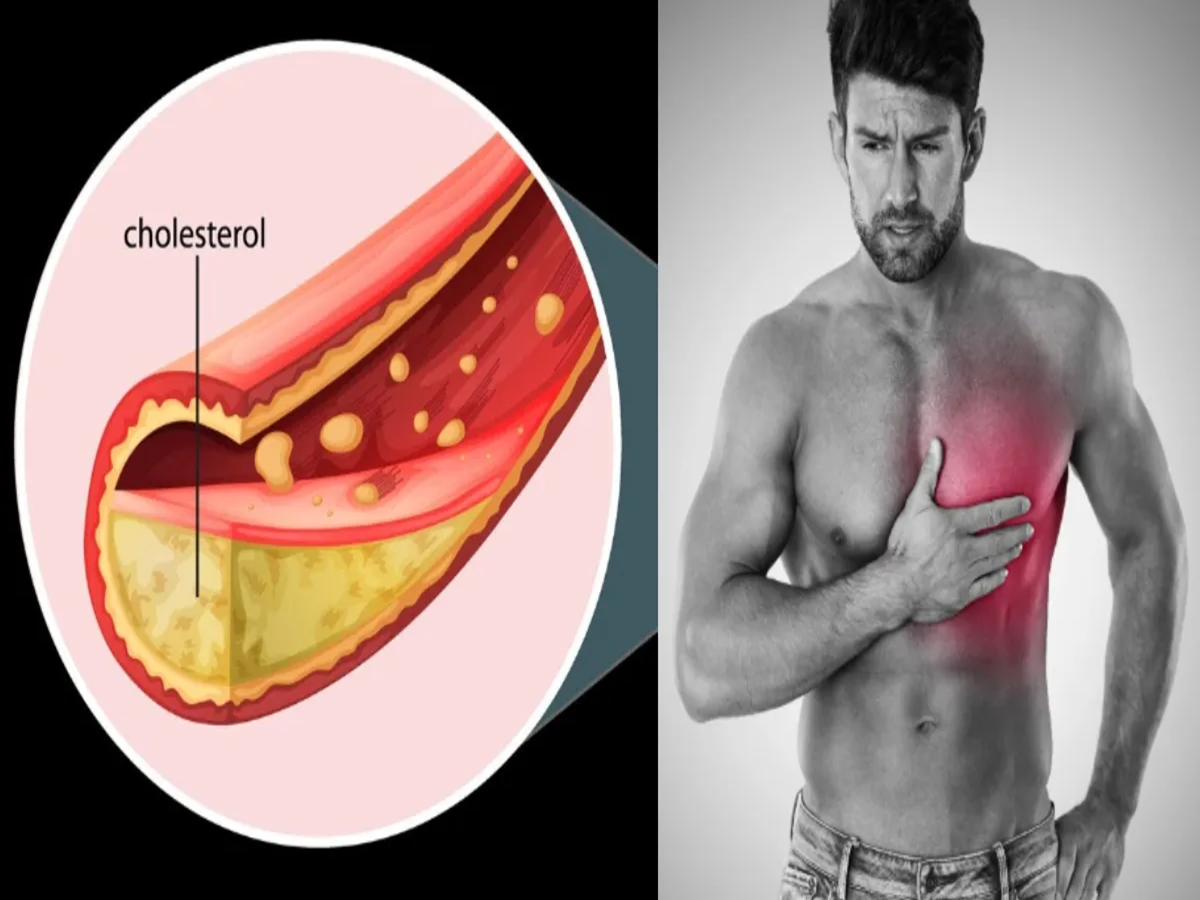
A deficiency in Vitamin K—which prevents proper blood clotting—can lead to issues such as frequent nosebleeds, bleeding gums, or the appearance of bruises on the body without any apparent injury. The question then arises: why does a Vitamin K deficiency occur, and how can it be addressed through one's diet? Let’s find out.
Why is Vitamin K important?
Medical reports indicate that while a Vitamin K deficiency is quite rare, certain conditions—such as digestive system disorders, difficulties in nutrient absorption, or the use of specific medications—can increase the risk of such a deficiency.
Fortunately, this vitamin is abundant in many common food items. By improving one's diet, such issues can be avoided.
How does Vitamin K assist in blood clotting?
Vitamin K helps activate several "clotting factors" produced in the liver. When an injury occurs, platelets and these clotting factors work together to form a blood clot. A deficiency in Vitamin K can disrupt this process; in cases of severe deficiency, it may take significantly longer for blood to clot. Beyond dietary issues, there are other factors that can increase the risk of this condition. Intestinal conditions such as celiac disease and ulcerative colitis can affect Vitamin K levels.
Certain issues related to the liver and the digestive system can also increase these risks.
Additionally, reduced nutrient absorption following bariatric surgery can lead to further complications.
How can you ensure adequate Vitamin K intake?
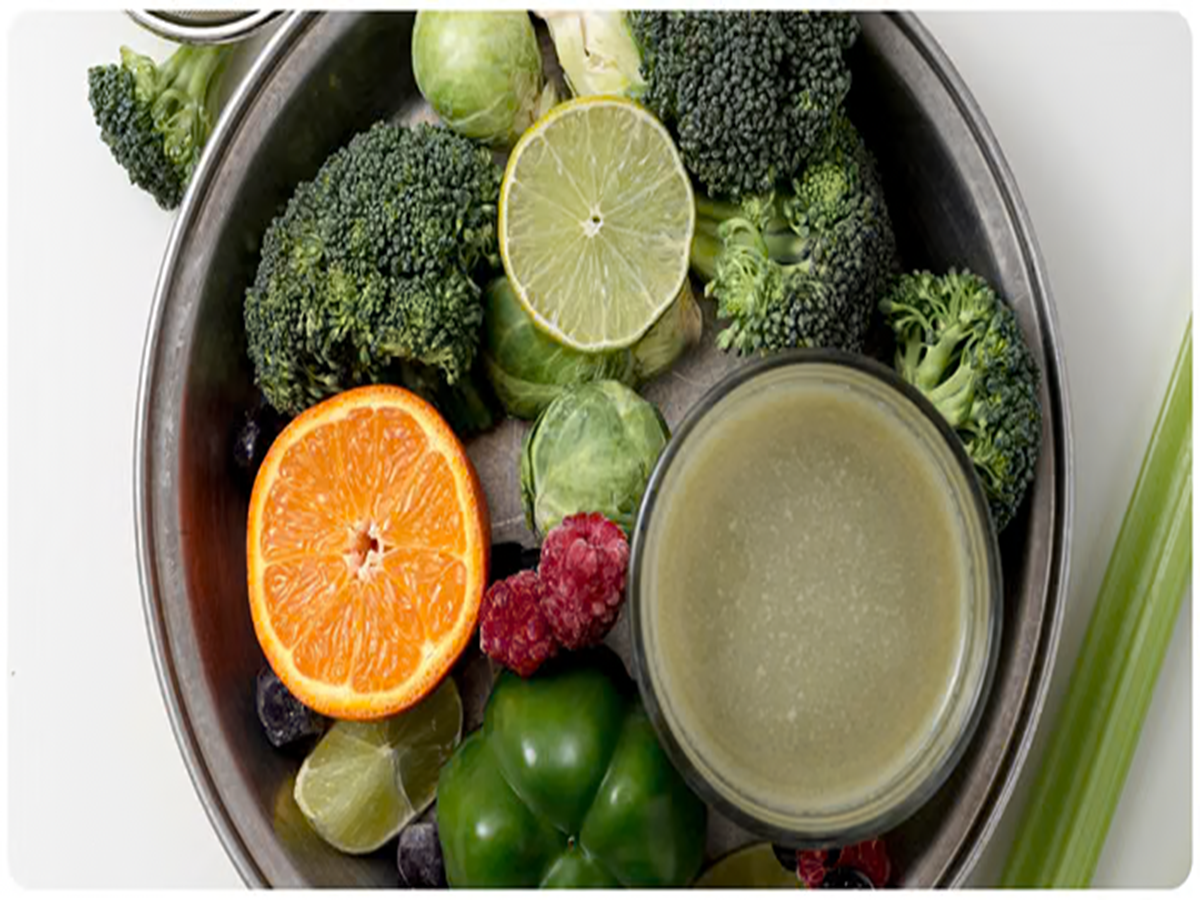
Health experts suggest that Vitamin K levels can be easily maintained by improving your diet. Vegetables and greens—such as spinach, fenugreek (methi), broccoli, and cabbage—are excellent sources of Vitamin K. Be sure to include green leafy vegetables in a balanced diet.
If you already have celiac disease or any other intestinal disorder, be sure to consult your doctor. Furthermore, individuals taking blood-thinning medications should avoid making sudden, significant changes—either by drastically reducing or increasing—the amount of Vitamin K in their diet.
PC Social Media