LIFESTYLE
Alert: Is fat accumulating in your liver? Find out why this condition is on the rise—could you be affected too?
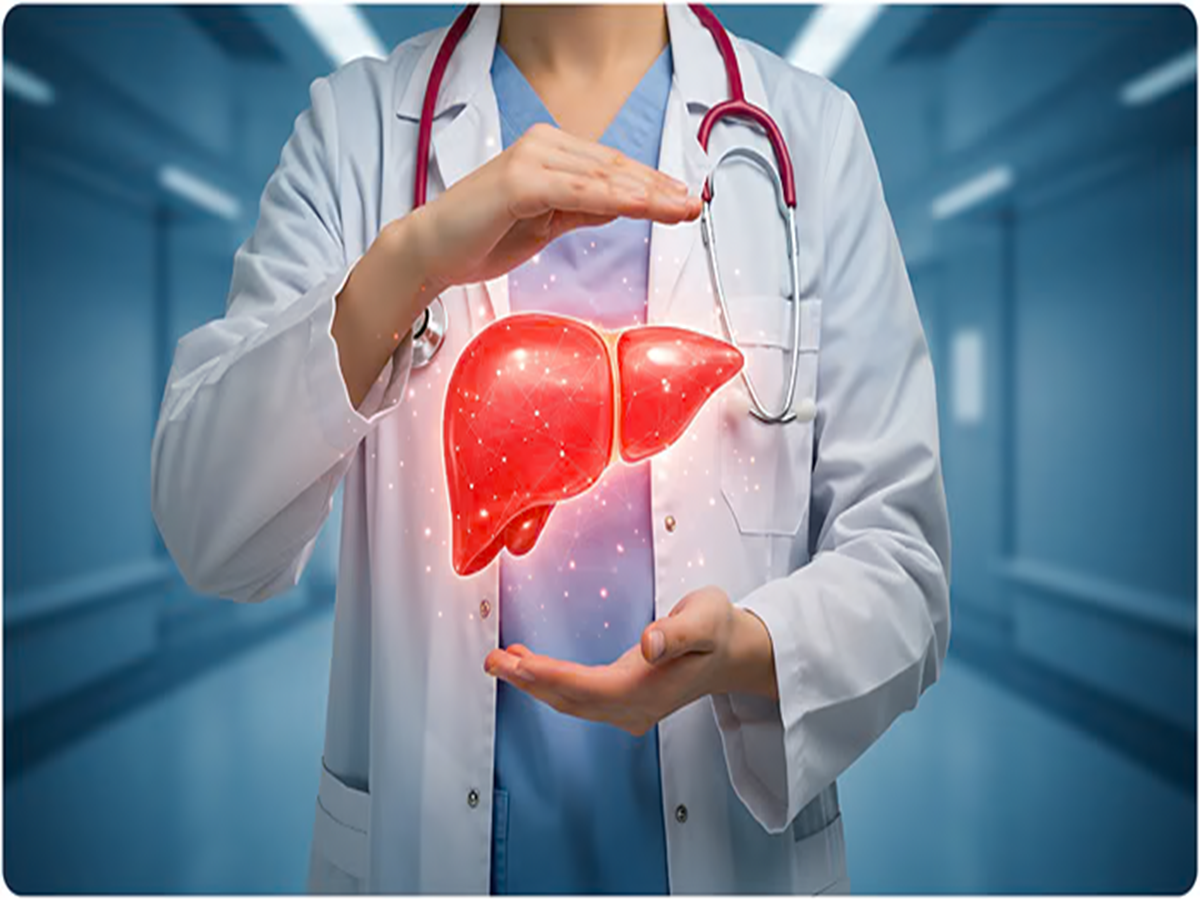
Poor lifestyle choices and unhealthy dietary habits have caused serious harm to our overall health. This is why even younger people are now falling victim to heart disease, diabetes, and brain-related conditions. Health experts note that cases of liver disease have also risen significantly over the last couple of decades, affecting even children. Conditions like fatty liver have become quite common.
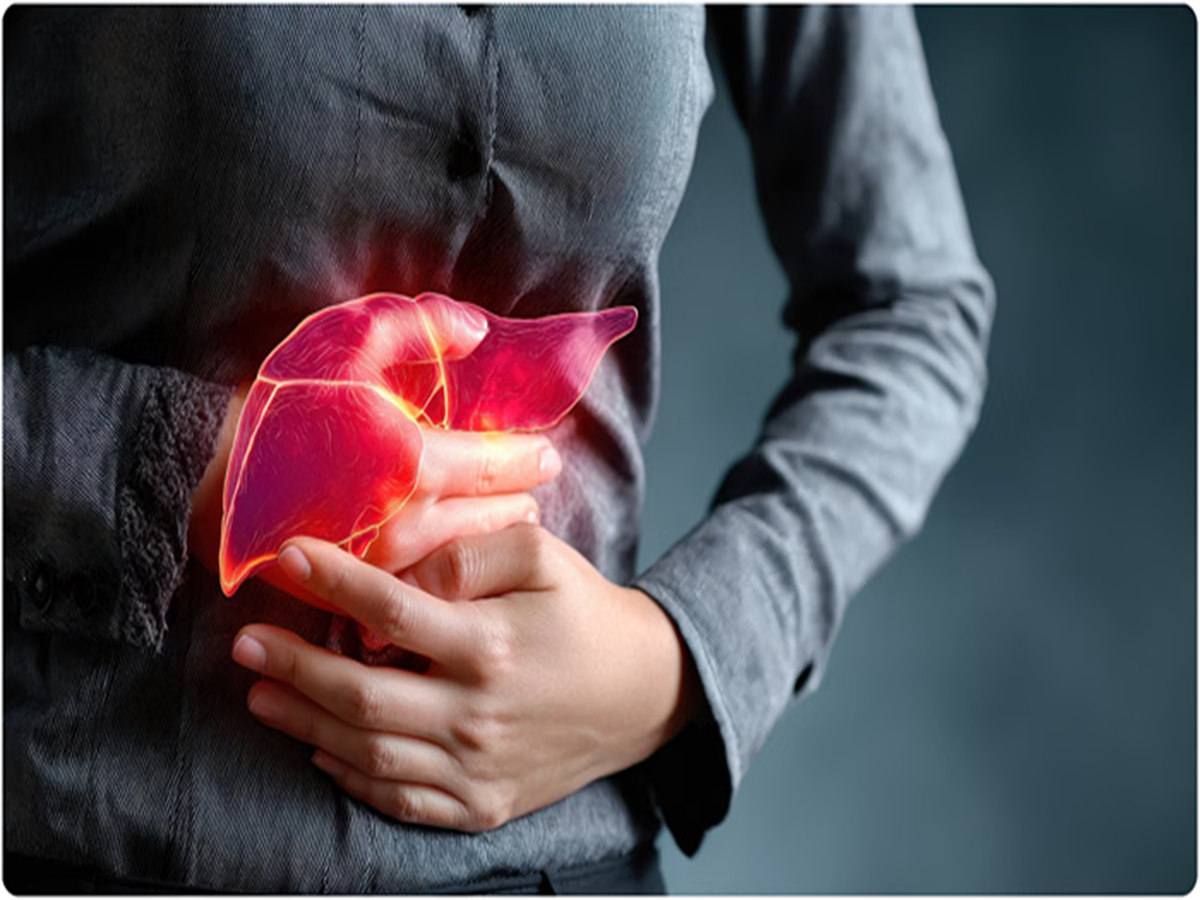
When fatty liver is mentioned, people often immediately associate it with obesity. Studies have consistently warned that individuals who are overweight or carry excess abdominal fat are at a higher risk of developing fatty liver. However, obesity is not the only cause; even people with a normal weight or those who are thin can develop fatty liver—a condition medically referred to as "lean fatty liver."
Could fat be silently accumulating in your liver, too?
The Issue of Lean Fatty Liver
Health experts point out that "lean fatty liver" is a serious concern that often goes unnoticed. Consequently, many thin individuals mistakenly assume their liver is healthy. Yet, even if your Body Mass Index (BMI) is within the normal range, you could still be at risk of having an excessive amount of fat stored in your liver.
According to health experts, factors such as insulin resistance, genetic predisposition, poor diet, and a lack of physical activity can increase the risk of developing lean fatty liver. Sometimes, a person may appear fit on the outside while experiencing metabolic disturbances internally.
Why does fatty liver occur in the absence of obesity? While fatty liver is more commonly observed in individuals who are overweight or obese, certain conditions can increase the risk of this disease even in thin people. When the body's cells are unable to use the hormone insulin effectively, the balance of sugar and fat in the blood can be disrupted. This condition, known as insulin resistance, also increases the risk of fat accumulation in the liver.
In some individuals, genetic variations may increase the likelihood of fat accumulating in the liver; therefore, the condition can occur even in those with a normal body weight.
Even if you appear slim, visceral fat can accumulate around the internal organs within the abdomen, which negatively impacts metabolic health.
Consuming excessive sugary drinks, fructose, refined carbohydrates, and ultra-processed foods can also elevate this risk.
How can one identify a fatty liver?
In the early stages, most people with a fatty liver do not experience any noticeable symptoms. However, it may sometimes lead to fatigue or discomfort in the upper right side of the abdomen. According to the American Gastroenterological Association, individuals of Asian descent with a normal body weight—even those with a BMI below 23—can still develop a fatty liver.
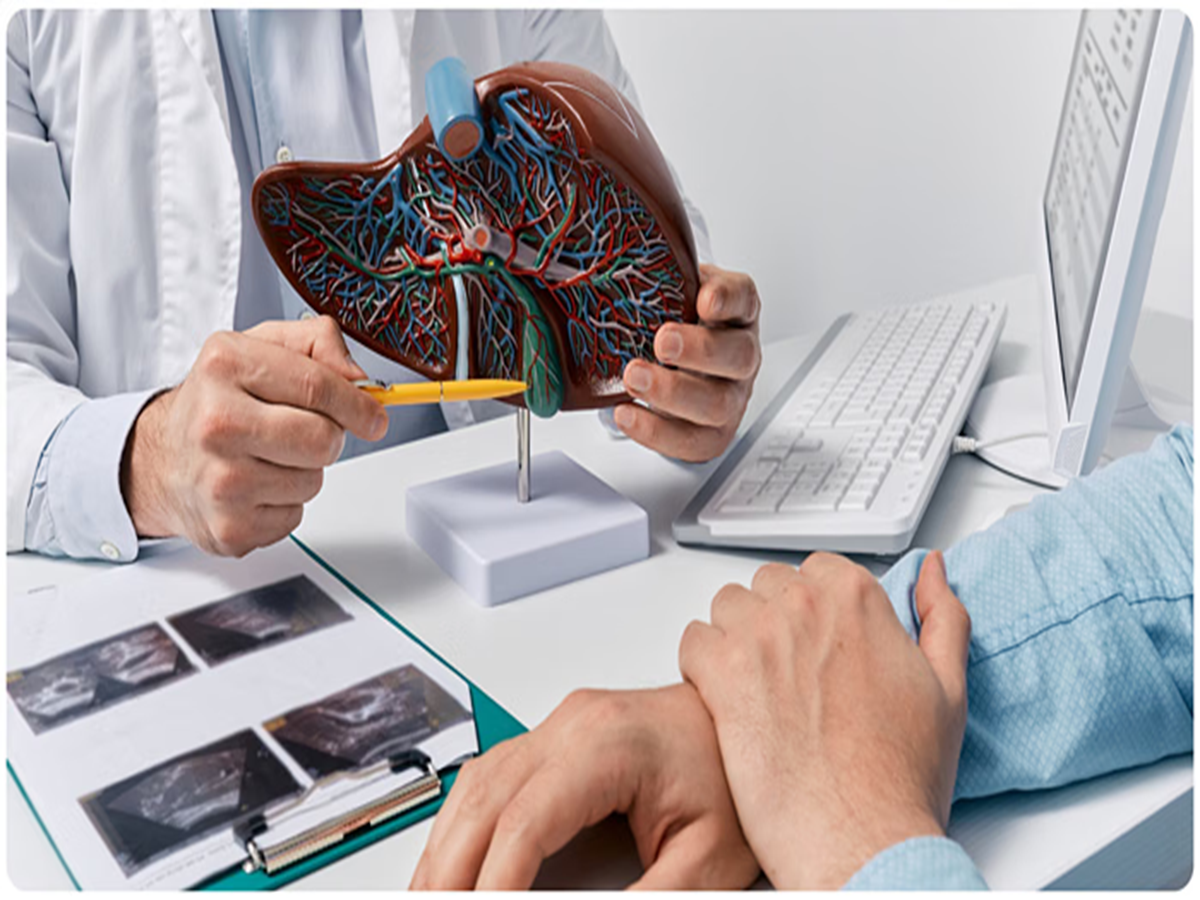
To reduce the risk and ensure timely detection:
Consult a doctor to undergo a liver function test and an ultrasound.
Monitor your diabetes, triglyceride, and cholesterol levels, and take steps to keep them under control.
Engage in regular daily walks and exercise. Avoid sugary drinks and highly processed foods.
PC Social Media