LIFESTYLE
High cholesterol often shows no symptoms in the early stages—so how can you identify the risk?
To maintain good health, experts advise not only managing your diet and lifestyle but also keeping your blood sugar and blood pressure under control. Elevated blood sugar and blood pressure can lead to a variety of health issues. High blood sugar can affect your eyes and nerves, while high blood pressure can pose risks to your heart health and even your kidneys.
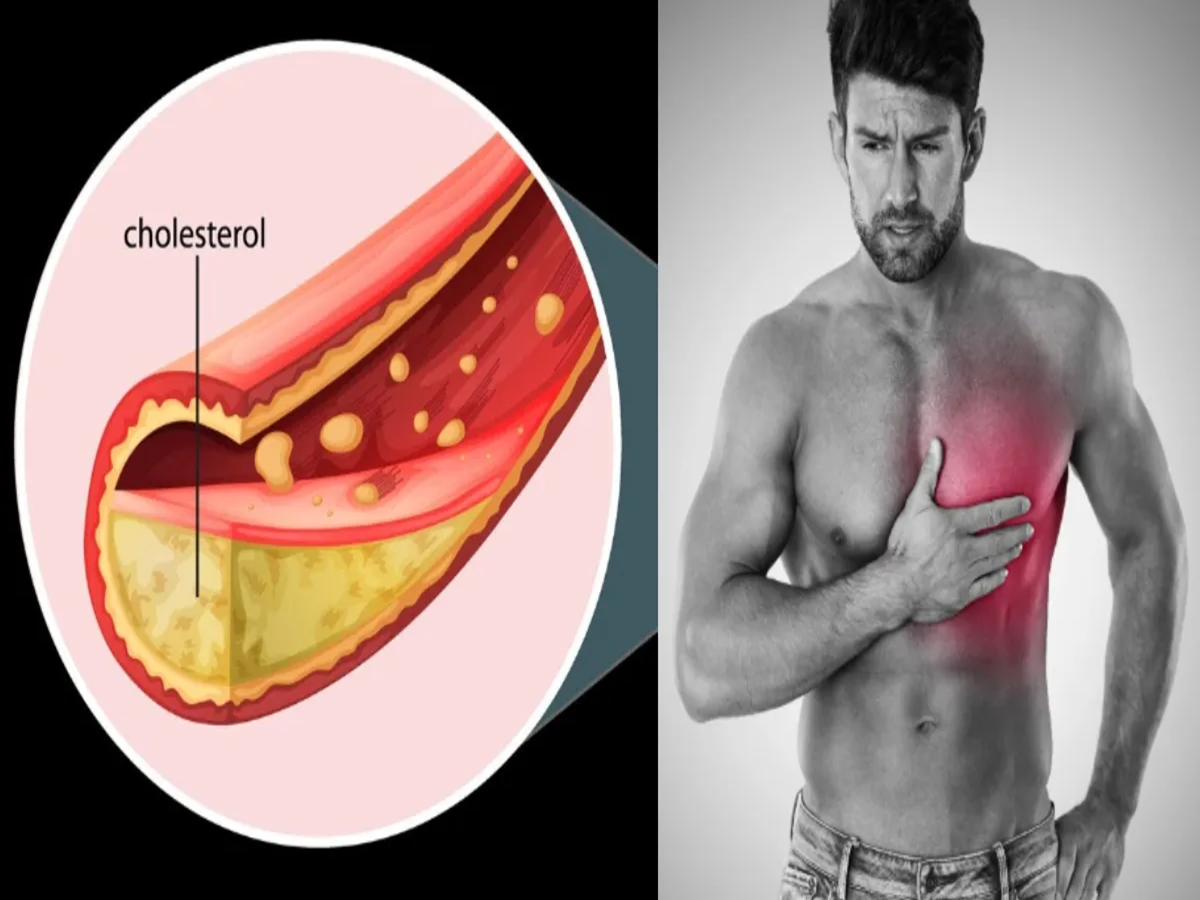
However, managing just your blood sugar and blood pressure is not enough. Consistently high cholesterol levels can also cause significant harm. Nowadays, high cholesterol is increasingly being observed in younger people. Previously, it was believed that cholesterol issues only arose with age, but now, high levels of "bad" cholesterol are being found even in younger individuals.
The question then arises: does cholesterol tend to rise rapidly after the age of 30?
The Growing Risk of High Cholesterol in Younger People
Health experts point out that various factors—such as lifestyle choices, dietary habits, and a lack of physical activity—can increase your risk of high cholesterol. Habits like sitting in one place for long hours at work, consuming outside (processed or restaurant) food, staying up late, and failing to exercise can all negatively impact the body's metabolism.
Additionally, genetic factors and medical conditions like thyroid disorders or diabetes can also contribute to higher cholesterol levels.
A concerning aspect is that high cholesterol often presents no clear symptoms. Consequently, individuals may believe they are healthy, while, in reality, fat is gradually accumulating in their arteries.
Health experts note that the risks associated with blood sugar, blood pressure, and cholesterol increase significantly after the age of 30; this is why regular cholesterol screening becomes essential from this age onwards.
What causes cholesterol levels to rise? Beyond lifestyle and dietary habits, certain medical conditions can also increase your risk of high cholesterol.
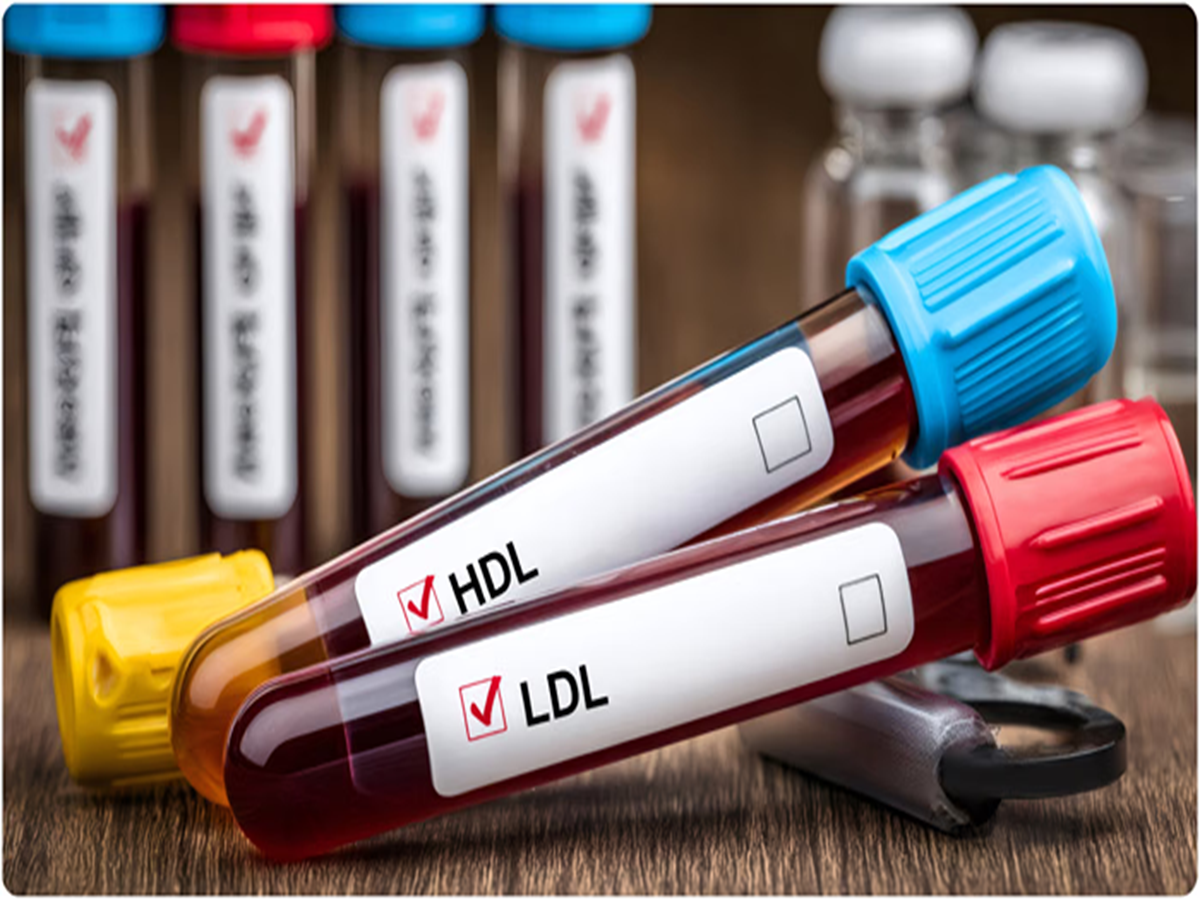
Prolonged periods of sitting and a lack of exercise can disrupt the body’s fat metabolism, potentially leading to an increase in "bad" cholesterol (LDL) and triglycerides.
Consuming excessive fried foods, bakery products, trans fats, ghee, or butter can also raise LDL cholesterol levels.
If there is a family history of high cholesterol, you may be at risk of developing the condition, even at a young age.
Conditions such as diabetes, hypothyroidism, and certain kidney diseases can also affect cholesterol levels.
How can this risk be reduced?
According to guidelines from the American College of Cardiology and the American Heart Association, adults should begin regular lipid profile screenings from the age of 19. Furthermore, making improvements to your lifestyle and diet is essential for keeping cholesterol under control.

Incorporate at least 30 minutes of brisk walking or other physical activity into your daily routine.
Include oats, lentils, fruits, vegetables, and fiber in your diet.
Minimize the consumption of foods high in trans fats and saturated fats.
Avoid smoking and maintain a healthy weight.
PC Social Media