Food & recipe
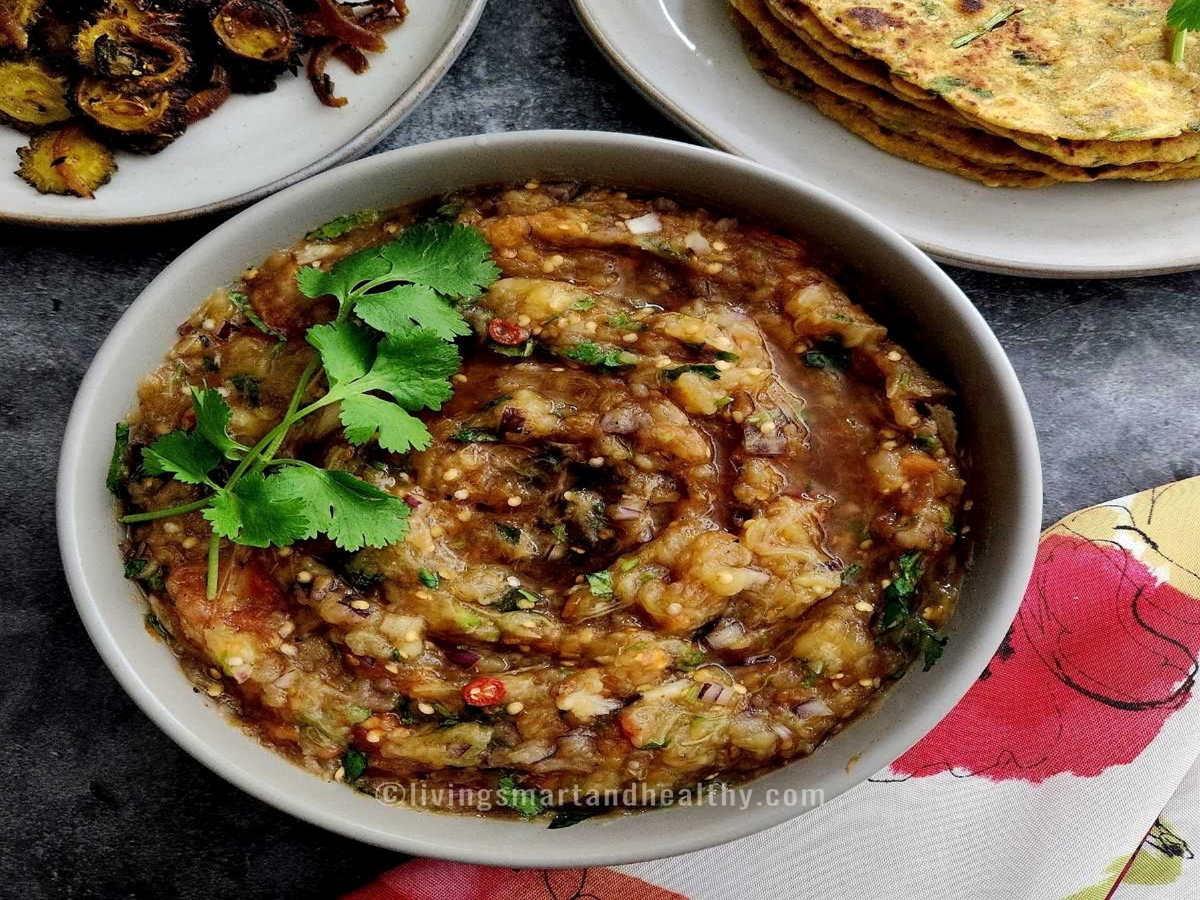
Aloo-Baingan Chokha: How to prepare Aloo-Baingan Chokha at home – know the secret recipe..
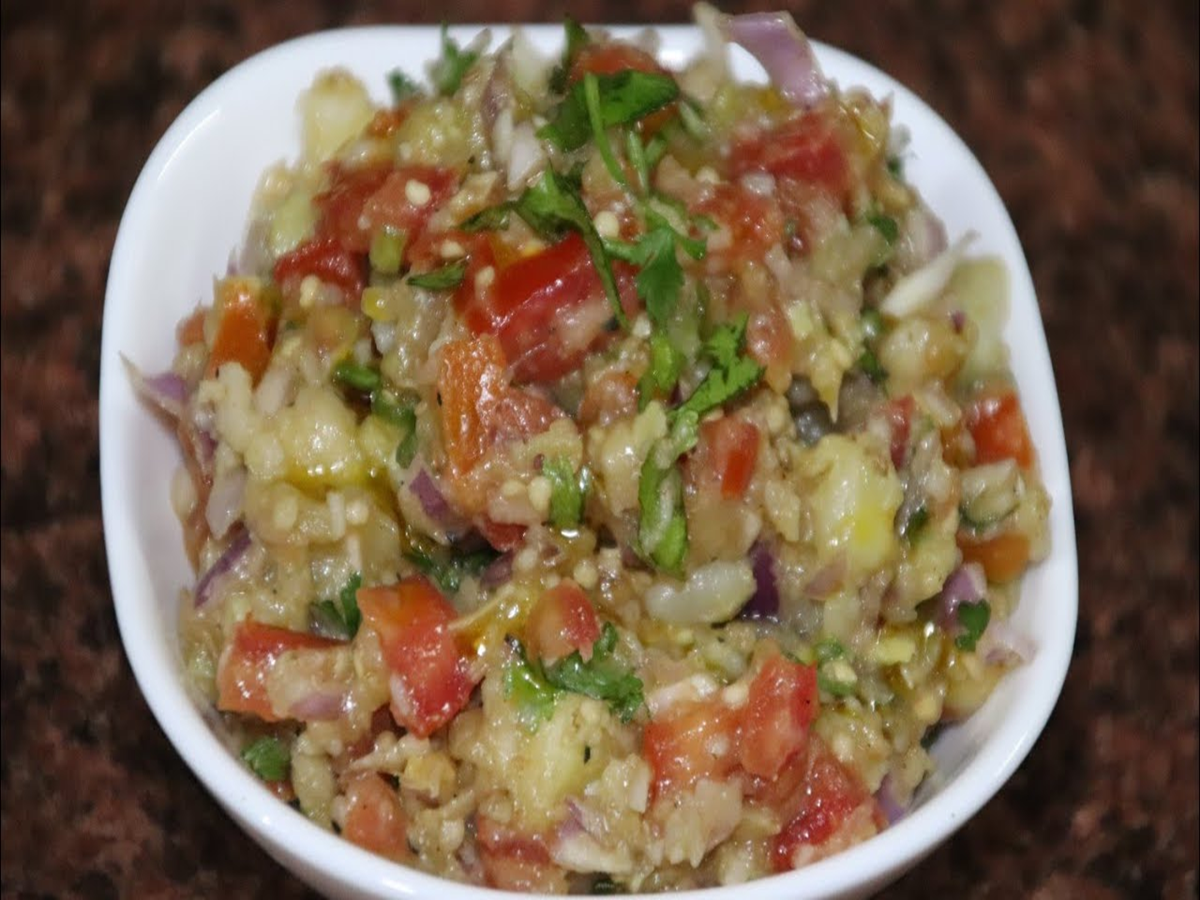
Are your taste buds bored of eating the same old, bland, and uninspired vegetables every single day? If so, it’s time to shake up your kitchen routine and bring the earthy, rustic aroma of a traditional village hearth to your plate. You no longer need to head out to a roadside *dhaba* or street stall for a delicious *chokha*; culinary experts from Bahraich have shared the secret to preparing an authentic, finger-licking *chokha* in the traditional style.
**Roasting Enhances the True Flavor**
Manoj Kumar, who has 10 to 15 years of experience in making *chokha*, explains that the best method is to roast potatoes, eggplants, tomatoes, and garlic over cow-dung cakes (*uple*/*kande*). If these are not available, you can roast the ingredients over a gas flame instead. Experts believe that roasting the potatoes—rather than boiling them—imparts a distinct, earthy aroma and a rich, smoky depth that elevates the flavor significantly. To enhance the taste and add a flavorful tempering, ingredients like stuffed chilies, pure mustard oil, cumin seeds, asafoetida (*hing*), and nigella seeds (*kalonji*) are used.
**What is the Cost and Time Involved?**
According to experts, preparing *chokha* from 1 kg of potatoes at home costs approximately ₹70 to ₹100. The entire process takes barely an hour. Just keep one thing in mind: after roasting the potatoes, eggplants, and tomatoes, be sure to peel off the outer skin. Leaving the skin on can spoil the flavor; removing it, however, brings out a subtle sweetness and makes the *chokha* truly delicious.
**What Should It Be Served With?**
You can serve this delicious, piping-hot *aloo chokha* (mashed potato dish) with a variety of accompaniments, depending on your preference:
With piping-hot *baati* or *litti*
With *parathas*
With simple *dal-chawal* (lentils and rice)
Try this easy recipe at home today and treat your family to a fresh, traditional flavor. Just one thing to keep in mind: if you or anyone in your household suffers from constipation, it is best to limit the use of eggplant (*baingan*), as doctors often advise avoiding it in such cases. Otherwise, you may consume eggplant, provided you have consulted with your doctor.
PC Social Media