
LIFESTYLE
Why do itching and skin allergies tend to increase with the change of season? Learn key insights from a doctor..
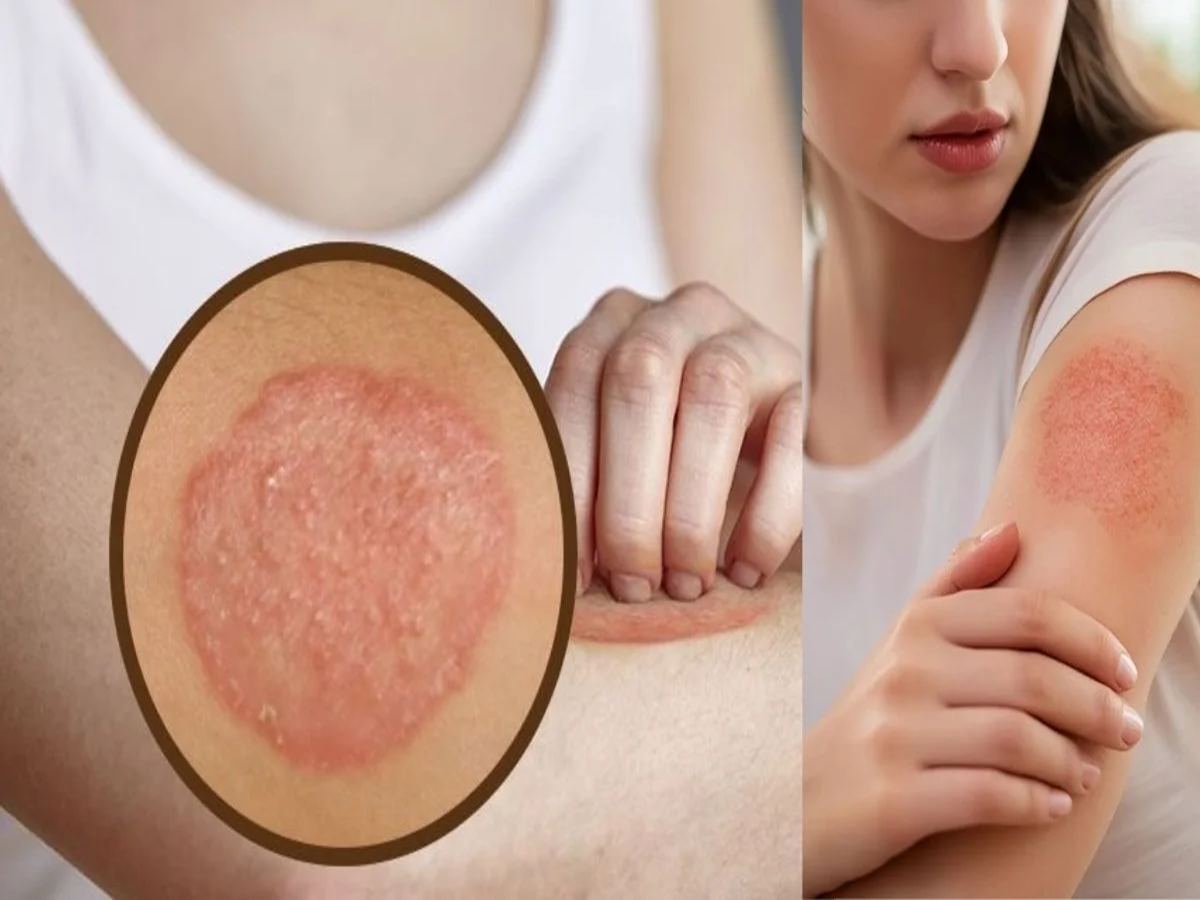
What changes occur in the skin when the weather shifts? Increased humidity and excessive sweating can cause the skin to remain damp for long periods. If the skin is not kept properly clean and dry, the risk of developing a fungal infection in certain areas may increase. Furthermore, heat and humidity can lead to prickly heat (heat rash), itching, and red rashes on the skin. However, not every instance of itching or redness indicates a fungal infection; it could also be caused by allergies, skin irritation, or other issues.

Which parts of the body are most prone to infections? Moisture can easily accumulate in areas such as the underarms, between the thighs, within the folds of the neck, and between the toes. Friction between the skin and sweat in these areas can exacerbate the problem. Fungal infections may manifest as itching, redness, a burning sensation, scaling of the skin, or circular rashes. Wearing wet socks and shoes for extended periods can also increase the risk of a fungal infection on the feet.
Who needs to be extra cautious? Dr. Minal Singh explains that individuals with pre-existing skin conditions, those who sweat excessively, or those with sensitive skin should exercise special care during seasonal transitions. Children and the elderly may also be at a higher risk for certain skin issues. Additionally, wearing wet clothing for long periods, remaining in sweat-soaked garments, or leaving skin folds damp can worsen these problems.
What is the difference between a skin allergy and a fungal infection? While both conditions can present with itching, redness, and rashes, their underlying causes differ. A fungal infection is caused by a fungus, whereas an allergy is a reaction of the skin to a specific substance. The use of soaps, perfumes, detergents, cosmetics, or any new skincare product can lead to itching, swelling, and redness. If you experience increased discomfort after using a new product, stop using it. If symptoms persist, consult a dermatologist.
How can you protect your skin from infections? First, make it a habit to keep your skin clean and dry. Bathe daily and ensure your body is thoroughly dried afterward. Pay special attention to drying areas such as the underarms, the inner thighs, and the spaces between your toes. Change out of sweat-soaked clothing promptly, and opt for loose-fitting, clean, and comfortable garments. Avoid wearing damp socks or shoes for extended periods, and allow your footwear to dry completely after use. Do not share personal items—such as towels, clothing, or razors—with others. Choosing mild, fragrance-free skincare products tailored to your skin's needs can also be beneficial.
Why can applying creams on your own when experiencing itching be risky? When faced with itching or red rashes, many people begin using creams without consulting a doctor. Steroid-based creams, in particular, may temporarily reduce itching and redness; however, if the underlying issue is a fungal infection, these creams can mask or even exacerbate the infection. Therefore, avoid using steroid-containing or combination creams without professional advice. Identifying the root cause of the problem is essential for proper treatment.
When should you see a doctor? Consult a dermatologist if itching, redness, or rashes on the skin persist, spread rapidly, are accompanied by increasing pain or swelling, or if sores begin to develop. It is also advisable to seek a medical evaluation if the condition does not improve despite home care. If you experience rapid swelling on your face or around your eyes, or if you have difficulty breathing, seek medical attention immediately.
PC Social Media