
LIFESTYLE
Which yoga pose should you practice for back pain relief? Learn how to perform Shashakasana and discover its benefits..
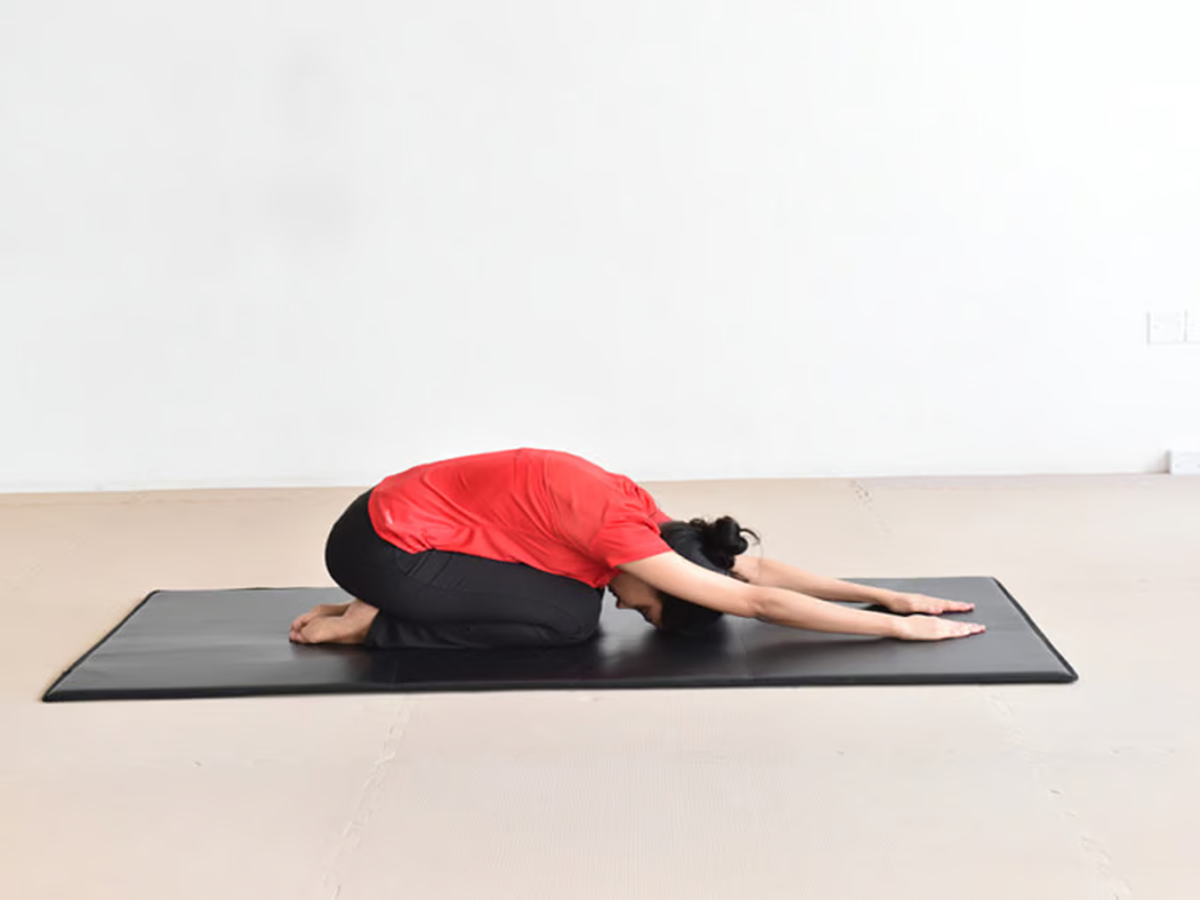
In today’s busy lifestyle, issues like stress, anxiety, fatigue, and back pain have become common. Prolonged sitting, a lack of physical activity, and constant mental pressure take a toll on the body. In such a scenario, incorporating yoga into your daily routine can be highly beneficial. *Shashakasana* (Rabbit Pose) is one such yoga posture, practiced to relax the body and calm the mind.
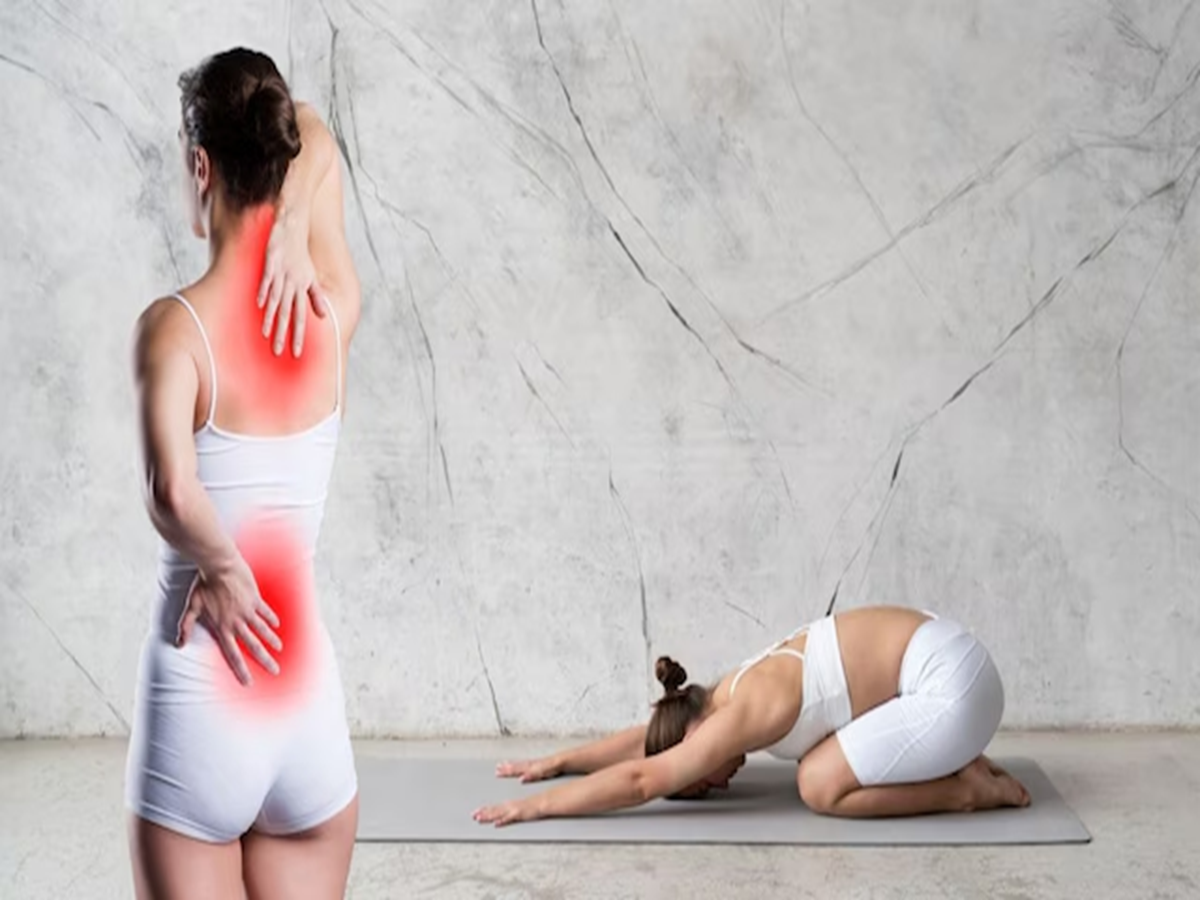
In this pose, the body takes on a shape resembling a rabbit. Regular practice can help reduce tension in the back and shoulders while maintaining physical flexibility. However, it is essential to perform any yoga posture correctly; practicing with an improper posture can lead to further discomfort. Let us explore the correct way to perform *Shashakasana*, its potential benefits, and who should exercise caution while practicing it.
What is *Shashakasana*?
The term *Shashakasana* is derived from two words: ‘*Shashaka*,’ meaning rabbit, and ‘*Asana*,’ meaning a body posture. Since the body assumes a shape similar to that of a rabbit, it is called *Shashakasana*. In yoga, it is practiced to relax the body and focus on one’s breathing.
Benefits of *Shashakasana*
Practicing *Shashakasana* in a calm environment while focusing on your breath helps soothe the mind. Furthermore, the slow, steady breathing performed during this pose aids in relaxing the body and calming the mind. Additionally, when performed correctly, it helps alleviate tension in the muscles of the back and shoulders.
The Correct Way to Perform *Shashakasana*
1. Begin by sitting on a yoga mat in *Vajrasana* (Thunderbolt Pose). Keep your back straight and ensure your body is in a comfortable, relaxed position.
2. Separate your knees slightly, according to your comfort. Your big toes may remain touching each other. 3. While taking a deep breath, place both hands on the floor in front of you.
4. Slowly exhale as you lean your body forward. Bring your forehead toward the floor, but ensure there is no strain on your neck.
5. Keep your hands extended forward and continue breathing at a normal pace. Initially, remain in this posture for 10 to 20 seconds.
6. Then, slowly lift your body back into *Vajrasana* (Thunderbolt Pose). Start by practicing according to your own capacity. Stop immediately if you experience any pain or discomfort.
Who should exercise caution?
If you suffer from severe back pain, injuries to the neck or knees, a hernia, or high blood pressure, consult a doctor or a yoga instructor before performing this *asana*. Similarly, do not practice this during pregnancy without consulting an expert.
PC Social Media