
LIFESTYLE
Arthritis Risk: Do you experience burning sensations in your eyes and find it difficult to breathe? Could this be due to arthritis?
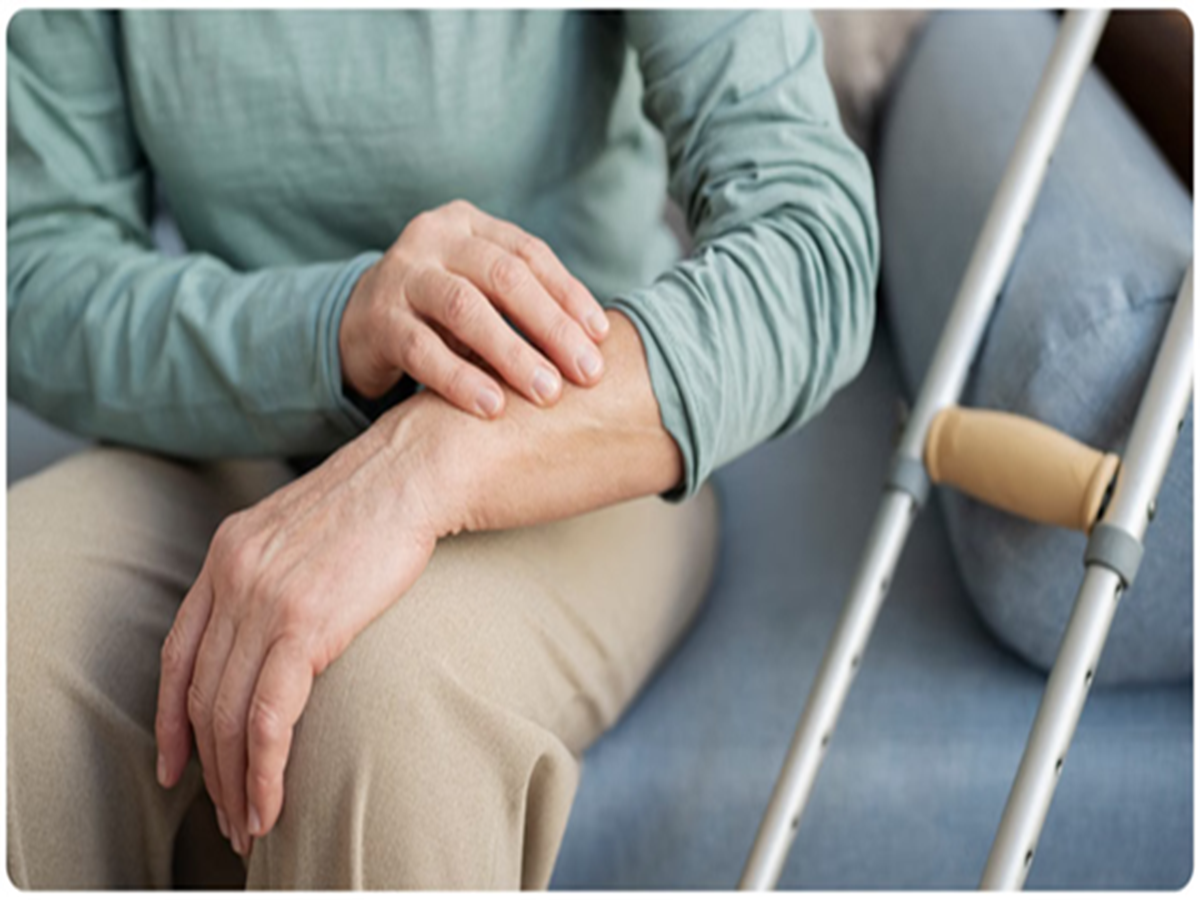
Arthritis is a fairly common problem. Previously, it was considered an ailment associated with aging; however, this condition is now rapidly increasing among younger individuals and youth as well. Lifestyle-related issues have further exacerbated this risk. Consequently, affected individuals experience joint pain and stiffness, making even simple movements like walking or standing up difficult.
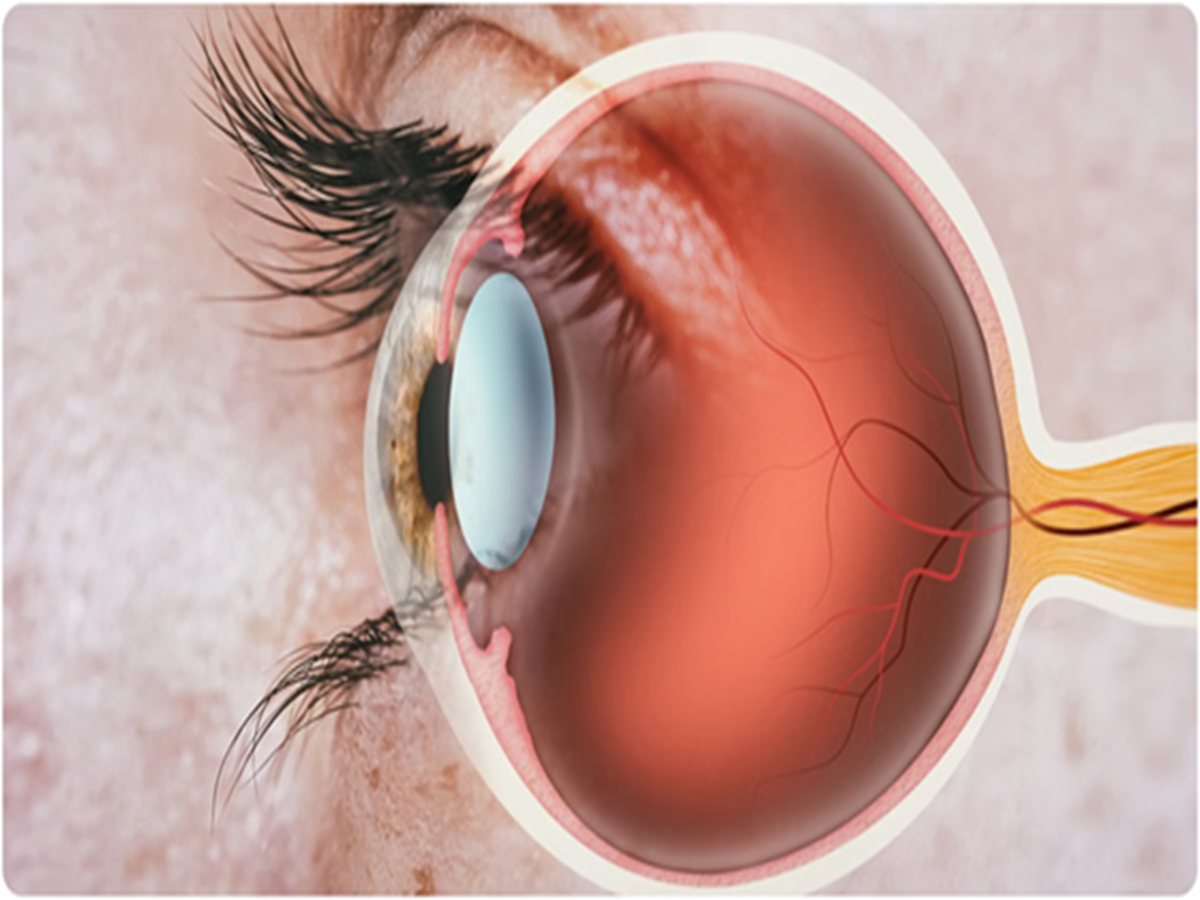
The mere mention of arthritis typically conjures up an image of a person groaning in pain from aching joints in their legs. But did you know that arthritis can also seriously affect your eyes and lungs? Yes, individuals suffering from a specific type of arthritis known as Rheumatoid Arthritis face a heightened risk of developing severe complications related to their eyes and lungs.
However, the question remains: how does a condition affecting the legs and joints extend its impact to the eyes and lungs? When should you be on alert? Let’s explore these aspects in detail.
**First, It Is Essential to Understand Rheumatoid Arthritis**
Rheumatoid Arthritis (RA) is not merely a condition involving joint pain; it is an autoimmune disease. This means that the body's immune system mistakenly attacks the healthy cells within the joints, thereby causing the symptoms of arthritis.
Much like general arthritis, RA is characterized by persistent joint pain, swelling, and stiffness.
If left untreated, this disease can gradually begin to affect other organs of the body as well.
Initially, Rheumatoid Arthritis typically manifests as pain and swelling in the hands, fingers, and knees.
Over time, this condition can cause damage to the eyes, lungs, heart, and even the nervous system.
**The Threat of Rheumatoid Arthritis to the Eyes**
Medical reports indicate that Rheumatoid Arthritis can indeed have an adverse effect on the eyes.
This complication arises due to the chronic inflammation that persists throughout the body. Dry eye syndrome is the most frequently observed complication among patients. It carries a risk of causing burning sensations, itching, and redness in the eyes.
Rheumatoid arthritis can also affect the white part of the eye (the sclera) as well as the cornea.
According to the National Eye Institute, the chronic inflammation associated with rheumatoid arthritis begins to damage the nerves and cells within the eyes. Approximately 90% of individuals suffering from rheumatoid arthritis are at risk of developing dry eyes.
**The Impact of Rheumatoid Arthritis on the Lungs**
In addition to the eyes, rheumatoid arthritis also affects your lungs.
The inflammatory processes triggered by rheumatoid arthritis can increase the risk of various lung complications, such as pulmonary nodules (small lumps in the lungs), pleural effusion (fluid accumulation between the lungs and the chest wall), and bronchiectasis (damage to the airways).
According to studies, persistent inflammation within the body can affect various components of the respiratory system. Lung-related complications are quite common in cases of rheumatoid arthritis. For this reason, experts advise patients with rheumatoid arthritis to undergo regular lung check-ups.
**Who is at Higher Risk for Rheumatoid Arthritis?**
According to medical research, rheumatoid arthritis is observed more frequently in women than in men. Cases tend to emerge most rapidly in individuals between the ages of 30 and 60.

One of the greatest challenges associated with rheumatoid arthritis is that people often overlook or dismiss early symptoms, mistaking them for ordinary fatigue or the natural effects of aging. However, with early detection and appropriate treatment, the impact of the disease can be controlled to a significant extent.
Individuals with a family history of the disease, those who smoke, or those suffering from obesity should exercise particular caution. If you experience prolonged stiffness in your joints after waking up in the morning, face difficulty in walking or standing up, or notice changes in the structure of your joints, be immediately alert and consult a doctor.
PC Social Media