
LIFESTYLE
Heatwave Alert: Scorching Heat Grips the Nation—What is the Impact of Temperatures Exceeding 45°C on the Kidneys, Liver, and Heart?

Most states across the country, including the capital Delhi-NCR, are currently grappling with the onslaught of severe heat and heatwaves. On Friday, temperatures in Delhi-NCR were recorded at over 45 degrees Celsius. According to the India Meteorological Department (IMD), no relief is expected for the public over the next few days, during which the maximum temperature is projected to hover between 43 and 45 degrees.
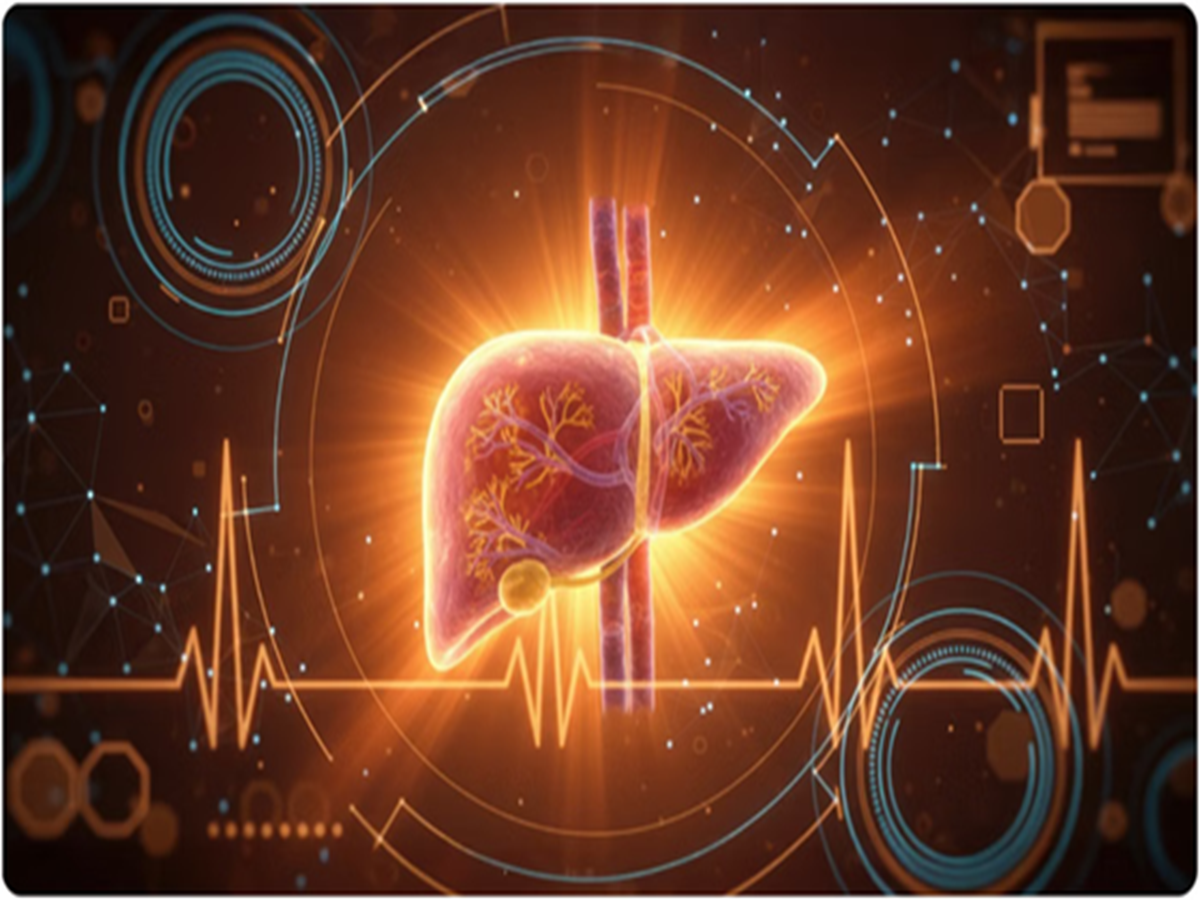
Health experts are issuing alerts to everyone regarding the escalating heat. Doctors explain that rising temperatures do not merely cause discomfort in daily life; they can also have detrimental effects on various organs of the body.
Health experts note that when the body's internal temperature begins to rise above the normal range—approximately 37 degrees Celsius—the body is forced to work harder to cool itself down. This additional strain accelerates the heart rate, leads to a rapid depletion of water and electrolytes within the body, and begins to adversely affect vital organs such as the liver and kidneys.
The question now arises: when temperatures soar past the 45-degree mark—as is the current situation—how exactly does this impact the various organs of the body?
**Extreme Heat Can Be Dangerous to Health**
According to a report by the World Health Organization (WHO), rising temperatures have the most significant impact on the health of the elderly, children, pregnant women, individuals who work outdoors, and patients already suffering from chronic illnesses.
When temperatures exceed 45 degrees, the pattern of blood circulation within the body begins to shift.
The body diverts more blood toward the skin to facilitate the release of heat. This places additional strain on vital organs such as the heart, kidneys, and brain.
Furthermore, prolonged dehydration causes the blood to thicken, which can compromise blood pressure regulation and oxygen supply.
Let us examine the specific effects that temperatures exceeding 45 degrees have on organs such as the liver, kidneys, and brain.
**What is the Impact on the Heart?**
The most profound impact of extreme heat is on the health of the heart. When the temperature rises above 45 degrees, the body diverts more blood toward the skin in an effort to keep itself cool. This forces the heart to work harder than usual.
According to the American Heart Association, heart rate can increase during periods of intense heat or as a result of prolonged exposure to sunlight. This, in turn, heightens the risk of serious health issues such as heart attacks and strokes.
Furthermore, in a state of dehydration—characterized by a deficiency of water in the body—levels of electrolytes such as sodium and potassium begin to deplete. These micronutrients are considered essential for the proper functioning of the heart.
**Impact on the Liver**
In addition to affecting the heart, excessive heat also begins to take a toll on liver health.
Studies indicate that exposure to extreme heat and instances of heatstroke lead to elevated levels of liver enzymes, thereby increasing the risk of liver-related complications.
In a dehydrated state, blood circulation becomes compromised. Consequently, the supply of oxygen and nutrients reaching the liver is disrupted.
Prolonged exposure to intense heat can result in liver swelling, inflammation, and cellular damage.

**Impact on the Kidneys**
Senior Nephrologist Dr. Vikram Malha states that continuous exposure to heat leads to excessive sweating, causing the body to lose significant amounts of fluids and electrolytes. Dehydration can result in reduced blood flow to vital organs—including the kidneys—as well as other parts of the body.
According to the National Kidney Foundation, individuals who work continuously in hot environments are at a higher risk of developing kidney disease.
During hot weather, as the body's water levels deplete, urine becomes more concentrated. This increases the likelihood of mineral and sodium crystals accumulating, thereby elevating the risk of kidney stones.
PC Social Media