
Ebola currently poses a serious threat to global health. The outbreak, which recently began in the Congo and Uganda, is increasingly becoming a cause for concern among health experts worldwide. Consequently, the India-Africa Forum Summit, scheduled to be held in New Delhi from May 28 to 31, has been postponed. The World Health Organization (WHO) has already declared it a 'Public Health Emergency of International Concern.' In light of this, people are being urged to remain vigilant and take continuous measures to protect themselves from Ebola infection.
Ebola is currently making headlines, and as a result, people have numerous questions regarding this infectious disease. Is the threat of another pandemic—similar to COVID-19—on the rise? Should people in India also be on alert? And the most pressing question of all: will wearing masks become mandatory for everyone once again?
Let us examine this in detail.
**The Latest Updates on Ebola**
Within just a few weeks of the outbreak of a rare strain of Ebola in the Democratic Republic of the Congo, it has become the third-largest outbreak in history.
It is spreading rapidly through one of the world's most unstable and vulnerable regions, causing alarm among U.S. and international health officials.
Some public health experts argue that cuts in international health aid over the past year and a half are exacerbating this burden.
The WHO has raised the public health risk level associated with the current Ebola outbreak from "high" to "very high."
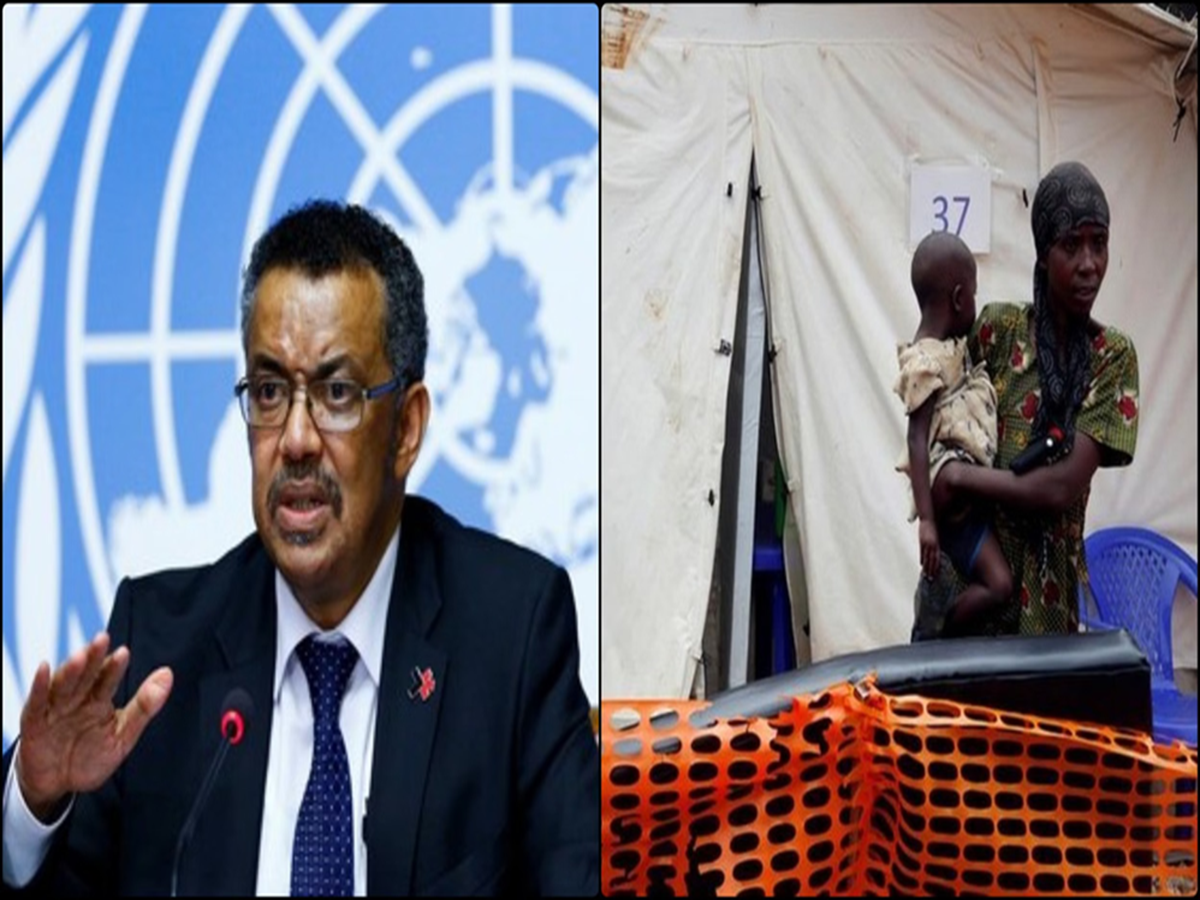
In an update issued on Friday, WHO Director-General Dr. Tedros Adhanom Ghebreyesus noted that while the risk remains high across much of Africa, the threat at a global level remains low.
So far, at least 600 suspected cases and 139 deaths have been reported in this outbreak.
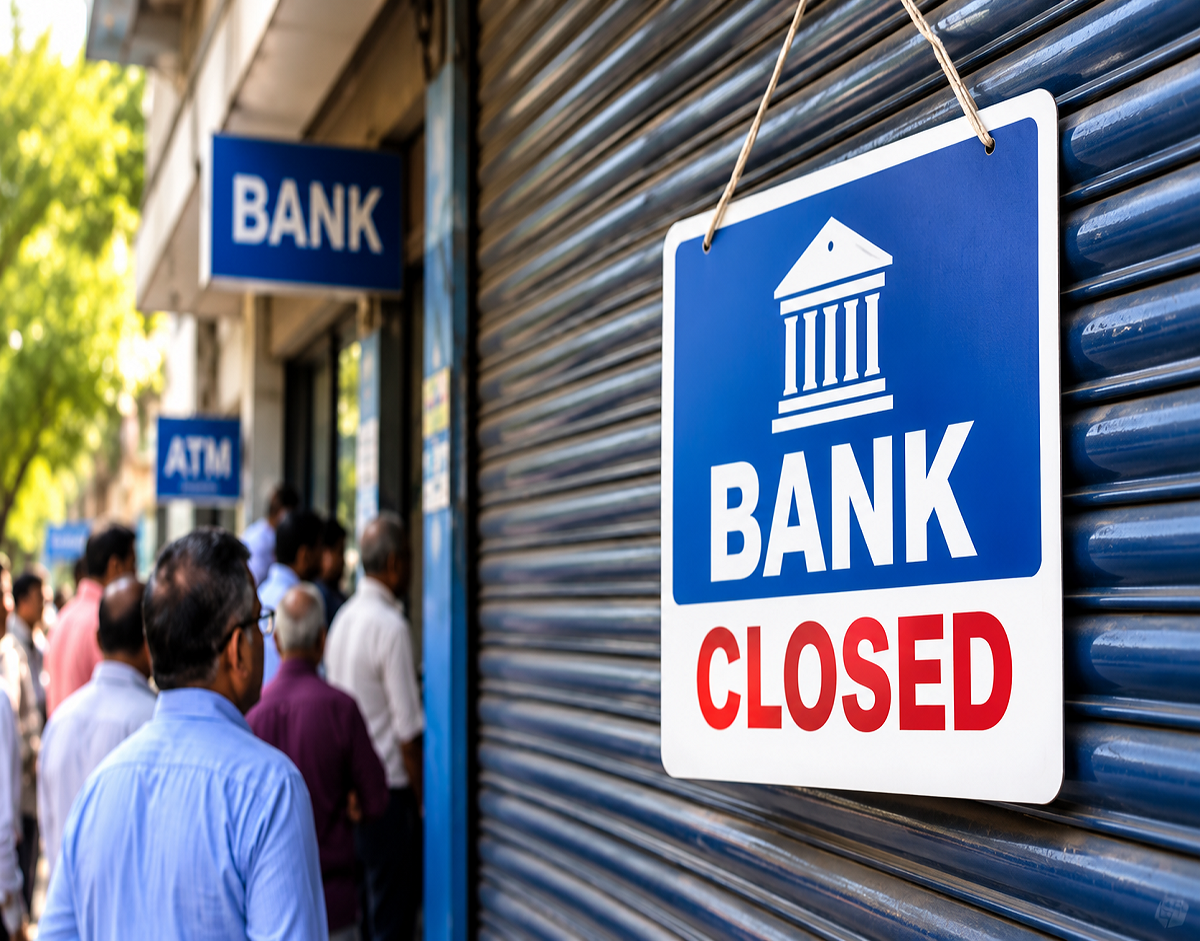
Questions regarding the risk of infection in India began to surface specifically because the India-Africa Forum Summit, scheduled to take place in New Delhi from May 28 to 31, was postponed. Although the Ministry of External Affairs did not explicitly state the reasons for postponing this event, it noted that this step was likely taken because the impact of Ebola is currently being observed in African nations.
Now, the second question arises: will it be necessary to wear masks again?
Regarding this, health experts state that no one can protect themselves from Ebola simply by wearing a mask. To prevent infection, it is essential to avoid close contact with an infected individual.
What measures, then, should be taken?
Medical reports indicate that, unlike COVID-19, Ebola infection does not spread through the air.
It can infect other individuals through contact with an infected person's bodily fluids—such as blood, sweat, vomit, or semen.
Therefore, since this is not a respiratory infection, wearing a mask is not required for protection.
The risk of Ebola can be minimized by avoiding contact with an infected person's blood, vomit, sweat, saliva, semen, or other bodily fluids.
Why is Ebola considered so dangerous?
Ebola is regarded as one of the most dangerous infectious diseases in the world. Its mortality rate can be extremely high.

According to the WHO, the mortality rate among infected individuals has ranged from 30% to 50%.
Ebola infection can affect multiple organs in the body; in severe cases, it can lead to hemorrhaging, multi-organ failure, and even death.
Currently, there is no approved vaccine or medication available for the Bundibugyo strain, which is circulating in 2026.
PC Social Media