Parenting
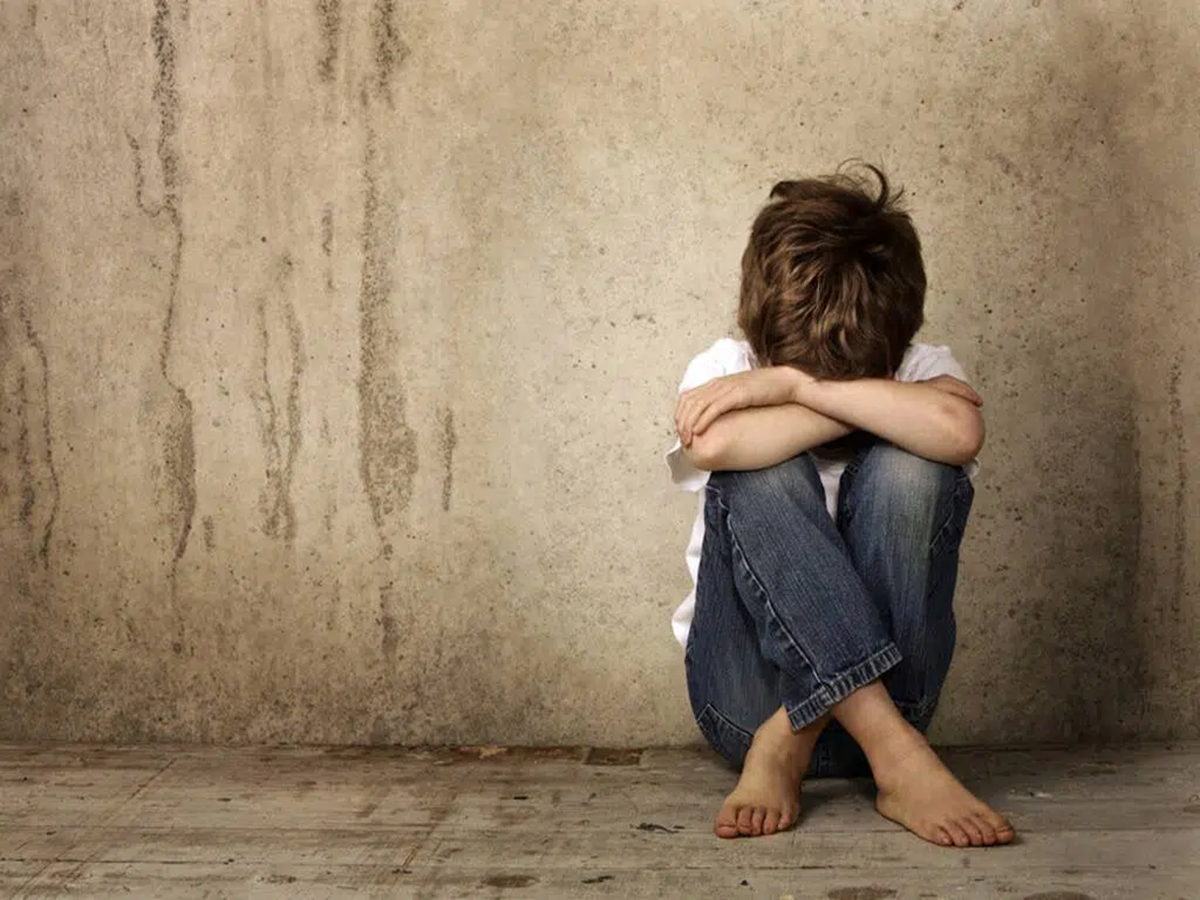
Complaints of stomach aches and distancing from friends... look for these signs to see if your child is being bullied at school..
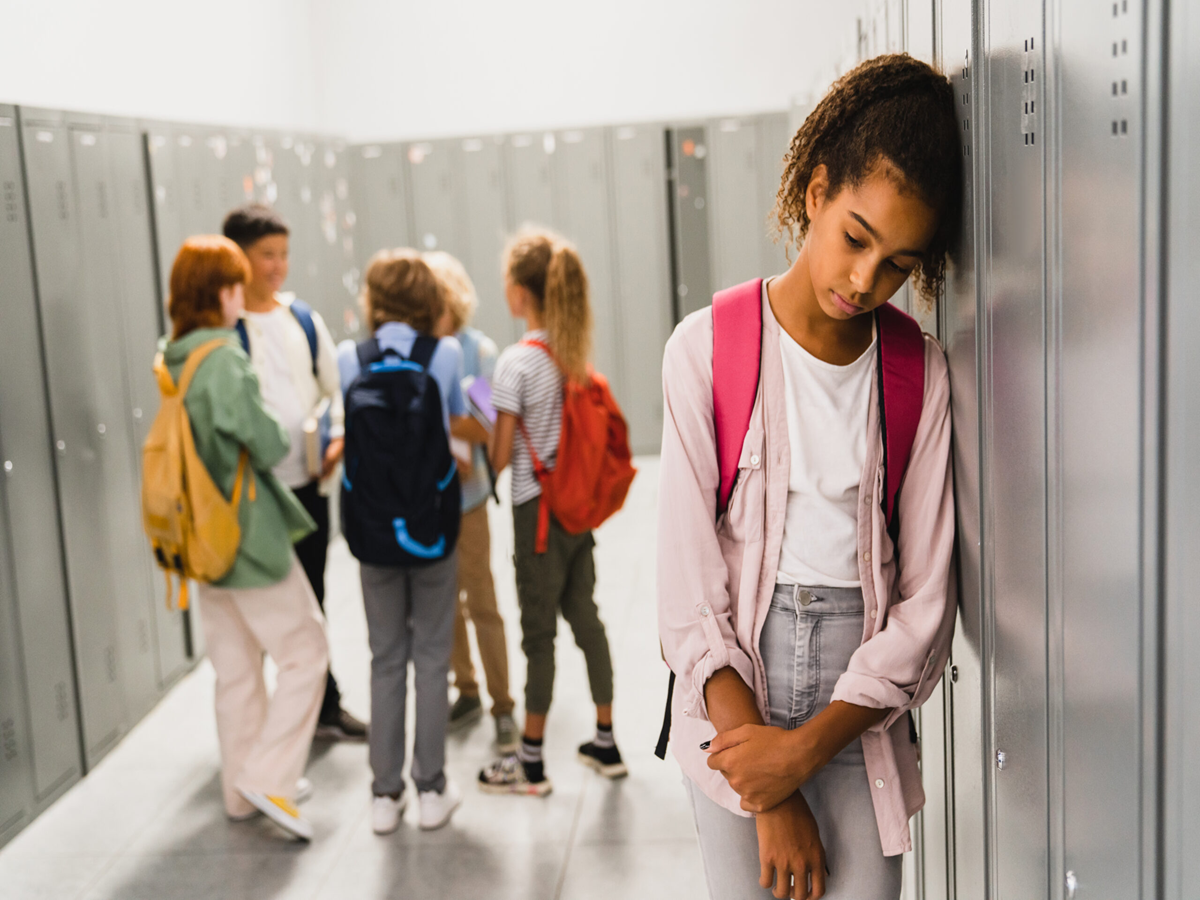
According to UNICEF data, one in five school-going children falls victim to bullying. This figure is even more alarming in the online space, where one in three children faces bullying. Research indicates that bullying increases the risk of depression, anxiety, and suicidal thoughts among children.
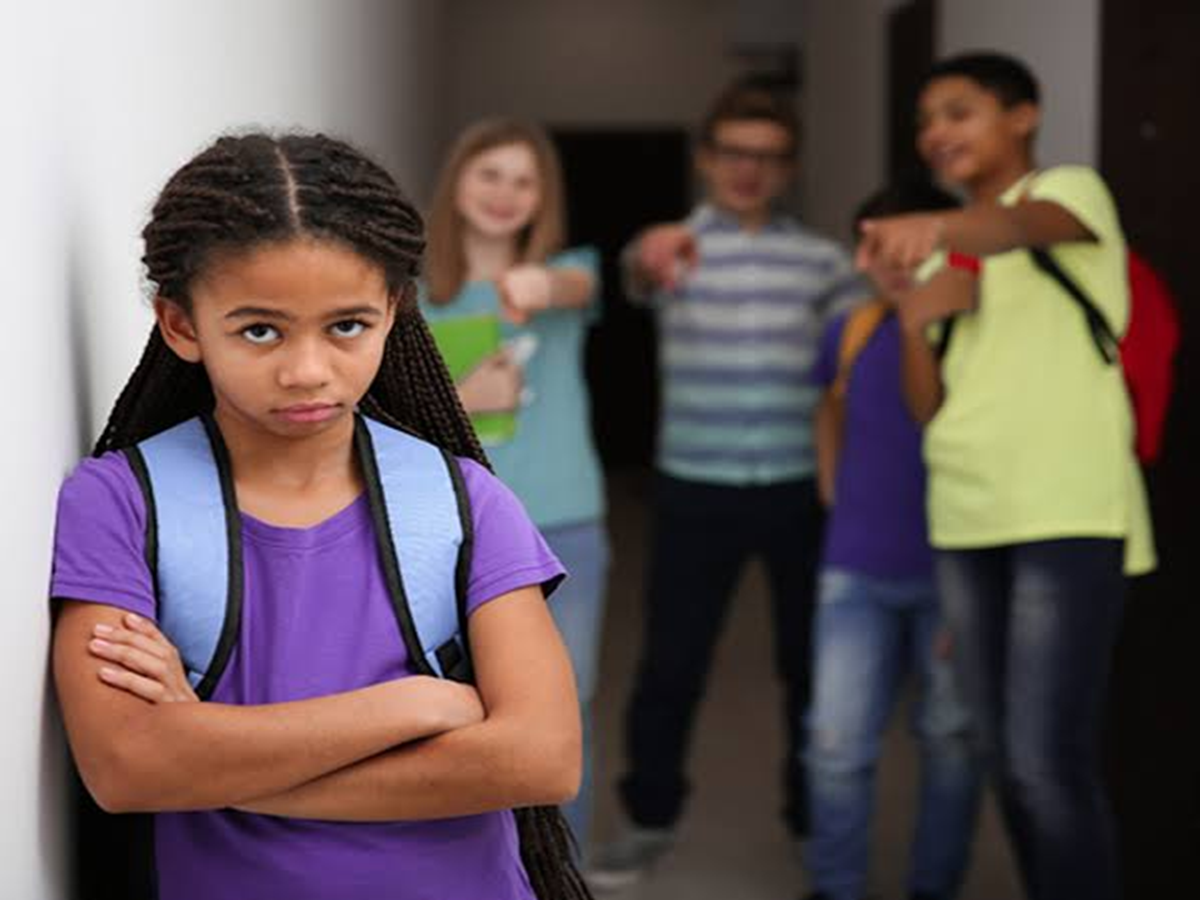
Therefore, it is crucial for parents and teachers to recognize and address bullying in a timely manner. Children often struggle to speak openly about this with their families or teachers. However, parents and teachers can detect bullying by paying attention to certain signs. Let us look at these indicators.
What are the signs of bullying?
Behavioral changes – If a child suddenly becomes very quiet, withdrawn, or irritable, it could signal underlying distress. A child who used to speak openly but now lacks confidence, has become secretive, or has started acting aggressively might be facing bullying.
Physical ailments – Frequent stomach aches, headaches, vomiting, or nausea can be signs of mental stress manifesting as physical symptoms.
Changes in habits – If a child suddenly starts eating too much or too little, has trouble sleeping, experiences recurring nightmares, or begins sleeping excessively, these could also be symptoms of mental stress.
Social withdrawal – If a child insists on not going to school, feigns illness in the morning, loses focus on studies, or stops socializing with friends, it is a cause for concern. These could be signs of bullying at school. Withdrawal from social media—If a child who was previously active on social media suddenly stops using it, or gets angry when friends are mentioned, they might be a victim of cyberbullying.
Injuries and loss of belongings—Physical injuries, torn clothes, or frequently lost or broken items are signs of bullying.
How can you help your child?
The most important step is to reassure your child that you are always ready to listen and that you have complete faith in them. Bullying is a very sensitive issue; therefore, ask them—affectionately yet clearly—if they are facing any difficulties. If they open up about it, reassure them that it is not their fault.
If your child shares an incident of bullying, listen to the whole story calmly. If possible, record the details or write them down; this will make it easier to inform the school administration about the incident. Also, avoid reacting impulsively or encouraging your child to retaliate violently, as this could worsen the situation. Listen to everything they have to say and assure them that you and their teachers are there to help. If someone is bullying them at school, they can report it to a teacher.
PC Social Media