Parenting
Instead of providing their children with everything, parents are now offering ‘boredom time’—but why?
Nowadays, parents not only attend to their children's every need but also want to fill every spare minute with some activity or another. Between school, tutoring, sports, dance classes, hobby classes, and screen time, a child's day is often fully scheduled. However, a different approach to parenting is now gaining attention—what can be termed "Boredom Time." This means giving the child time where they aren't told to do anything specific and are free to decide for themselves what to do.

"Boredom Time" does not mean intentionally making the child bored. It simply means that there is no need to provide a mobile phone, TV, toy, or structured activity during every moment of free time. There can be times when a child simply sits and thinks, wanders around the room, looks at a book, draws, or starts a game of their own invention. According to the American Academy of Pediatrics, play that is not directed or structured by an adult is crucial for a child's development. In such play, the child chooses the activity and proceeds based on their own curiosity.
Why isn't it right to hand over a mobile phone every time a child is bored?
As soon as a child says, "I'm bored," many parents immediately offer a mobile phone, TV, or a new toy. While this keeps the child occupied in the moment, it limits their opportunity to figure out what they can do without pre-packaged entertainment.
The American Academy of Pediatrics recommends balancing screen time with real-world activities and play. They suggest that allowing children to play and explore according to their own interests can aid their learning and social development.
How can boredom boost creativity?
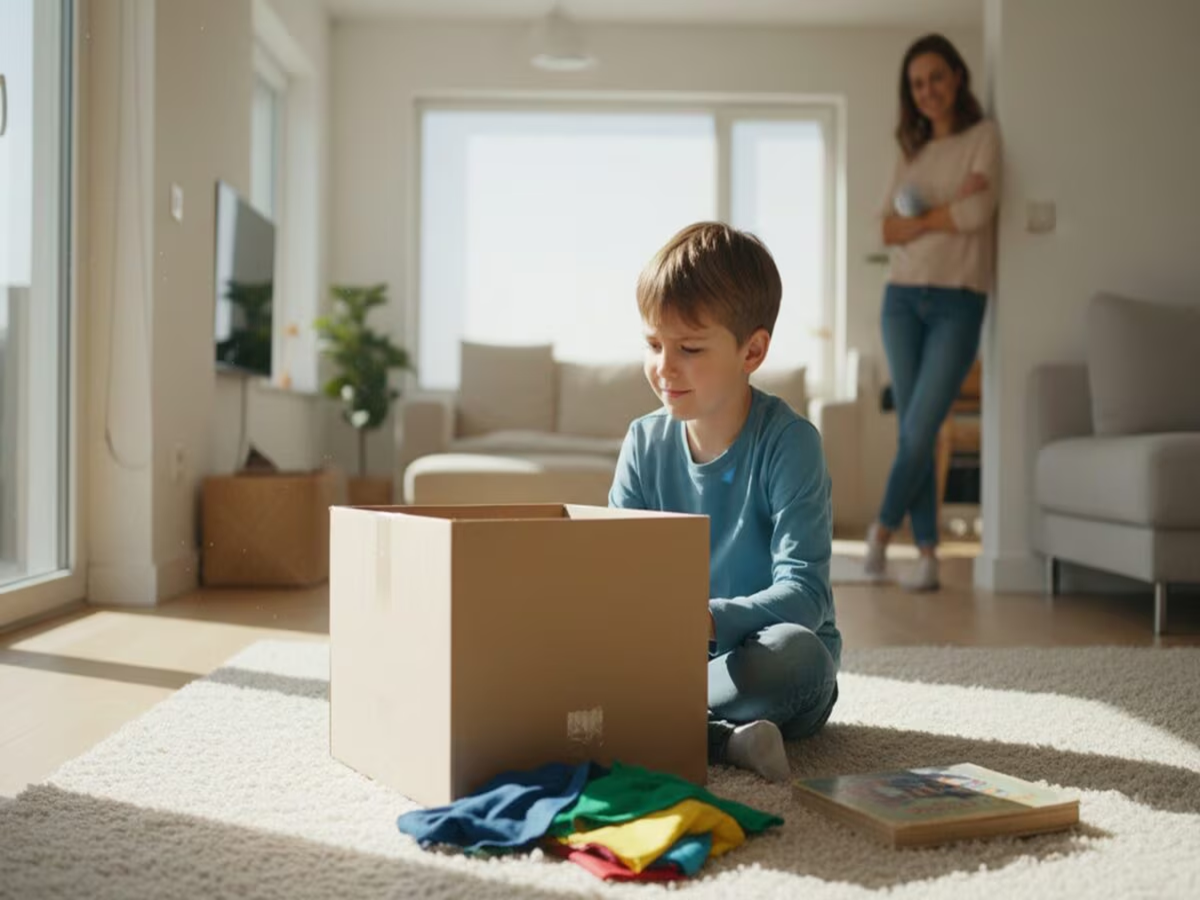
When a child isn't faced with a pre-determined activity, they can discover ways to create or do things on their own. For instance, an empty box can become a car, pillows can turn into a house, and a few lines drawn on paper can become part of a story. According to the American Psychological Association, unstructured play offers children opportunities to think creatively, solve problems, and learn how to interact with others. In such play, children are not given detailed instructions at every step, giving them the freedom to make their own decisions.
How can parents facilitate 'boredom time'?
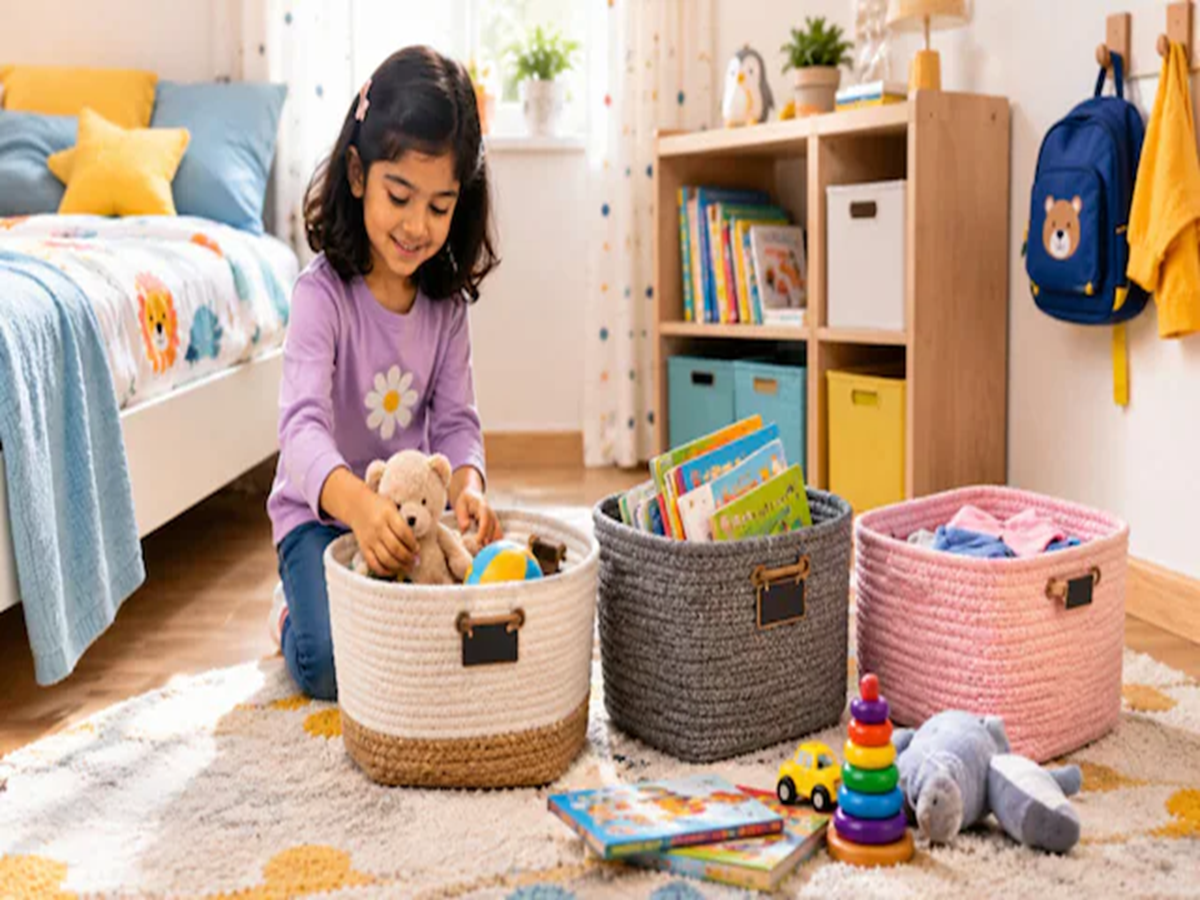
This does not require major changes at home. You can set aside a specific time or space in the child's day where they are free to decide what they want to do. They can be provided with simple items like paper and colors, blocks, books, empty boxes, or safe household objects. However, it is not necessary to dictate what should be created with these items; let the child use their imagination. The American Academy of Pediatrics also advocates for allowing children to play with simple objects and determine the direction of their play themselves.

This does not mean leaving the child alone
'Boredom time' does not mean parents should completely ignore the child. It is essential to ensure the child's safety, keeping their age and the situation in mind; the environment must be safe, especially for younger children. Parents can remain nearby while still letting the child take the lead in play—prioritizing the child's preferences and imagination rather than explaining or deciding everything for them. In fact, it is not necessary to fill every spare minute. Sometimes, a little boredom can actually prompt a child to think, create, and explore on their own. That is why, in today's busy parenting landscape, there is a growing emphasis on viewing unstructured free time as a vital part of a child's development.
PC Social Media