Food & recipe
Dhokla: Discover the perfect recipe for making spongy and soft Dhokla—everyone will ask for your secret..
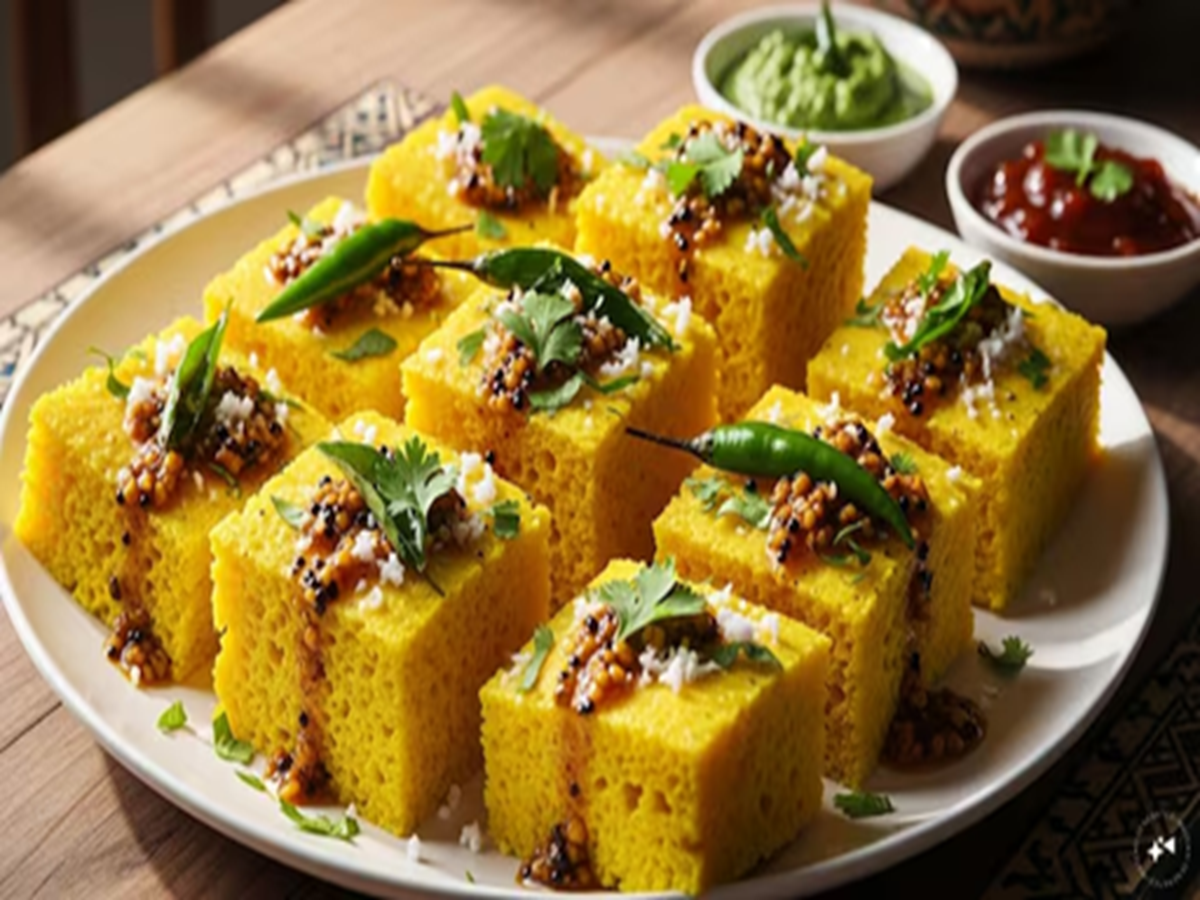
Dhokla is a popular Gujarati snack, cherished for its light, spongy, and soft texture. However, when making dhokla at home, it often fails to turn out as fluffy and soft as the kind found in the market. If you, too, wish to prepare the perfect dhokla, you can make it absolutely spongy and delicious by adopting a few simple yet effective techniques.
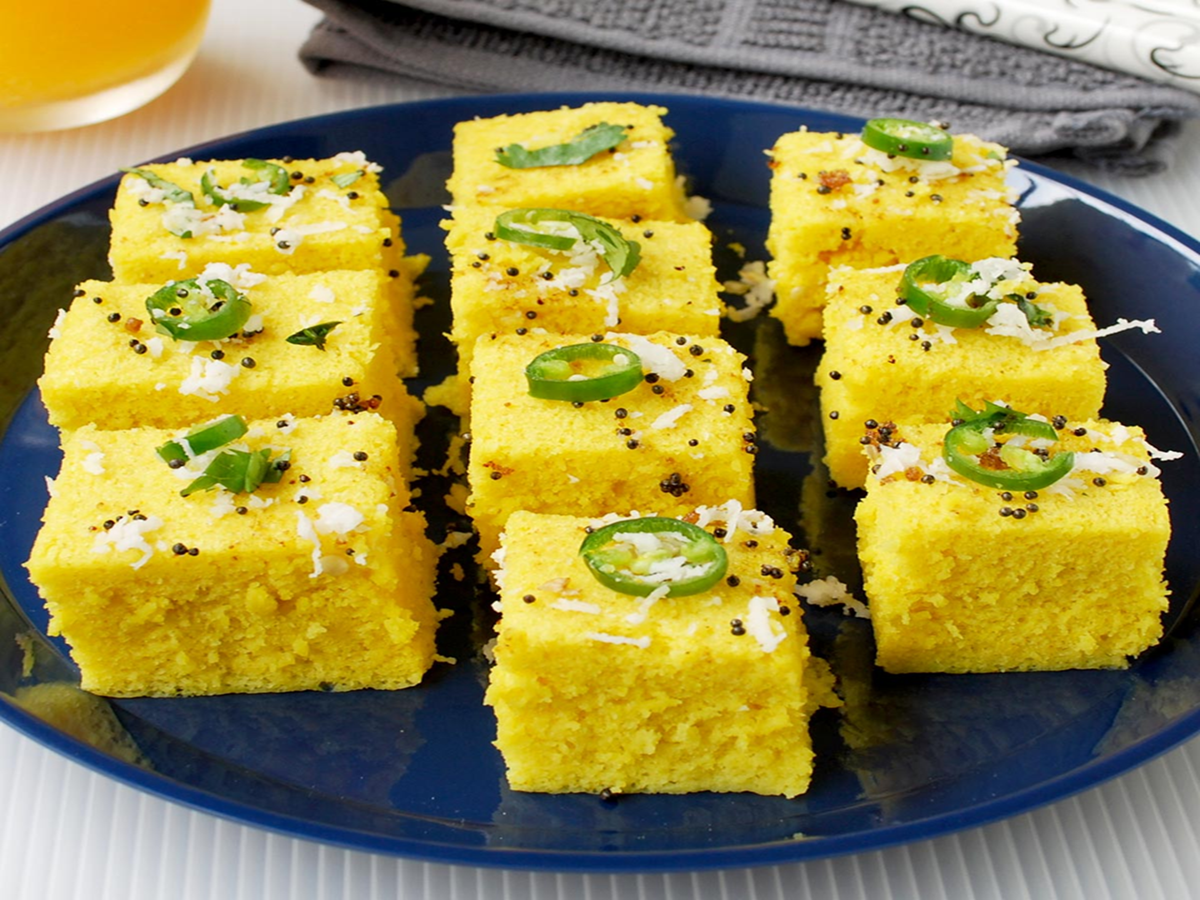
1. **Preparing the Right Batter**
To make dhokla, it is crucial to prepare the batter—whether made from gram flour (besan) or a rice-and-gram mixture—with precision. The batter should be neither too thick nor too thin; its consistency should be such that it flows easily off a spoon. It is also essential to whisk the batter thoroughly, as this incorporates air into it, resulting in a lighter dhokla.
2. **Pay Special Attention to Fermentation**
If you are preparing *khatta* (sour) dhokla, allow the batter to ferment for a few hours. This process naturally generates air within the batter, which is what makes the dhokla spongy. This may take 6–8 hours in warm weather, while it might require a little more time during the colder months.
3. **Correct Usage of Eno or Baking Soda**
Eno (fruit salt) is commonly used to make dhokla fluffy and soft. Once added to the batter, it should be steamed immediately, as the chemical reaction—and the formation of bubbles—begins the moment Eno is introduced. Any delay will result in a dhokla that is less fluffy. While baking soda can also be used, Eno generally yields superior results.
4. **The Proper Steaming Process**
Use a steamer or a pressure cooker to prepare the dhokla. Ensure that the steamer is preheated before use. After pouring in the dhokla batter, steam it over medium heat for 15–20 minutes. Cooking it over very high heat can cause the dhokla to become hard on the outside while remaining undercooked on the inside.
5. Prepare the Mold Properly.
Before pouring the Dhokla batter, lightly grease the mold with oil; this ensures the Dhokla does not stick and releases easily. Additionally, when pouring the batter, do not overfill the mold, as the Dhokla rises during cooking.
6. Water Balance
The water content in the batter must be balanced. Adding too much water can result in a heavy and sticky Dhokla, whereas adding too little can cause it to turn out dry.
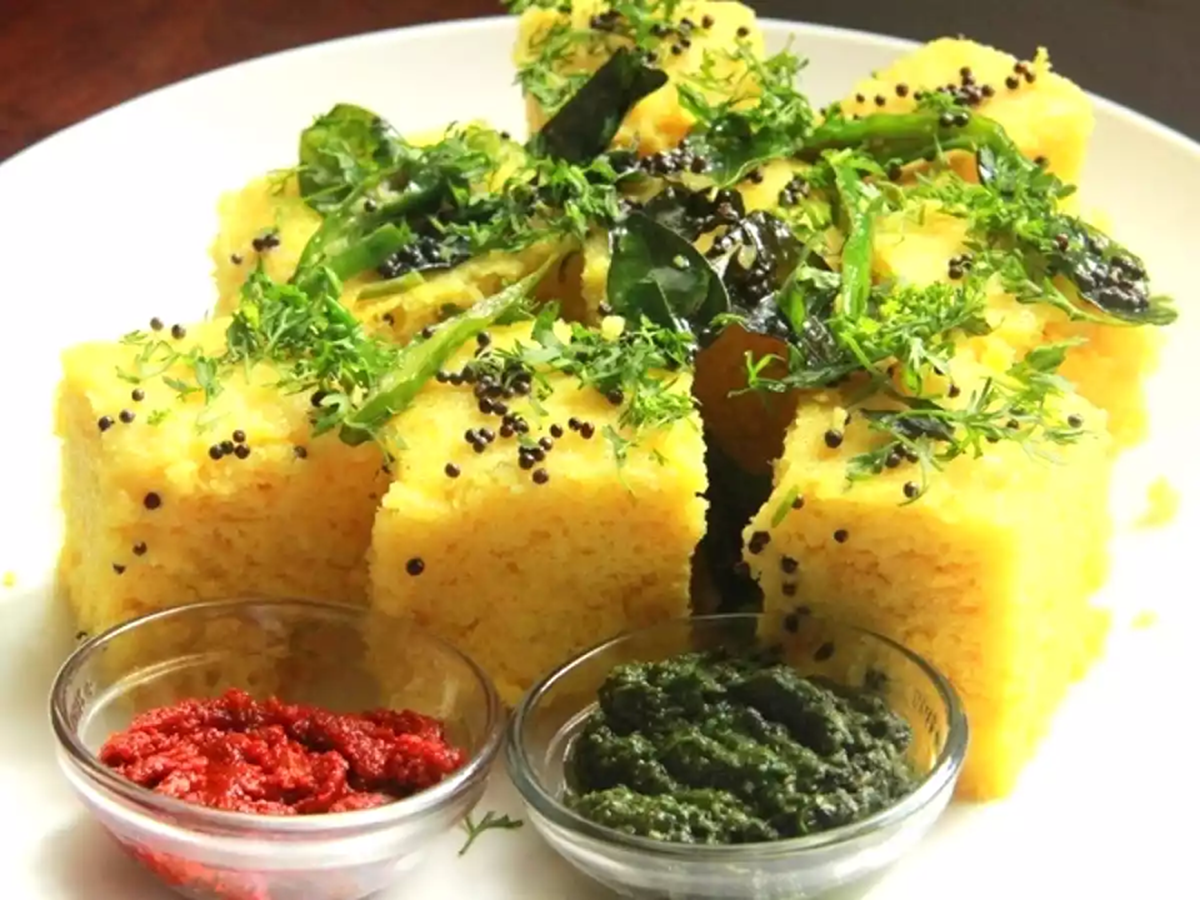
7. The Tempering and Moisture Retention
Once the Dhokla is cooked, pour a tempering (Tadka) over it consisting of mustard seeds, curry leaves, and green chilies. Adding a mixture of a little water and sugar to the tempering before pouring it over the Dhokla makes it even softer and more delicious.
PC Social Media