LIFESTYLE
From food grains to utensils, donating these items for a *bhandara* at a temple is considered auspicious..
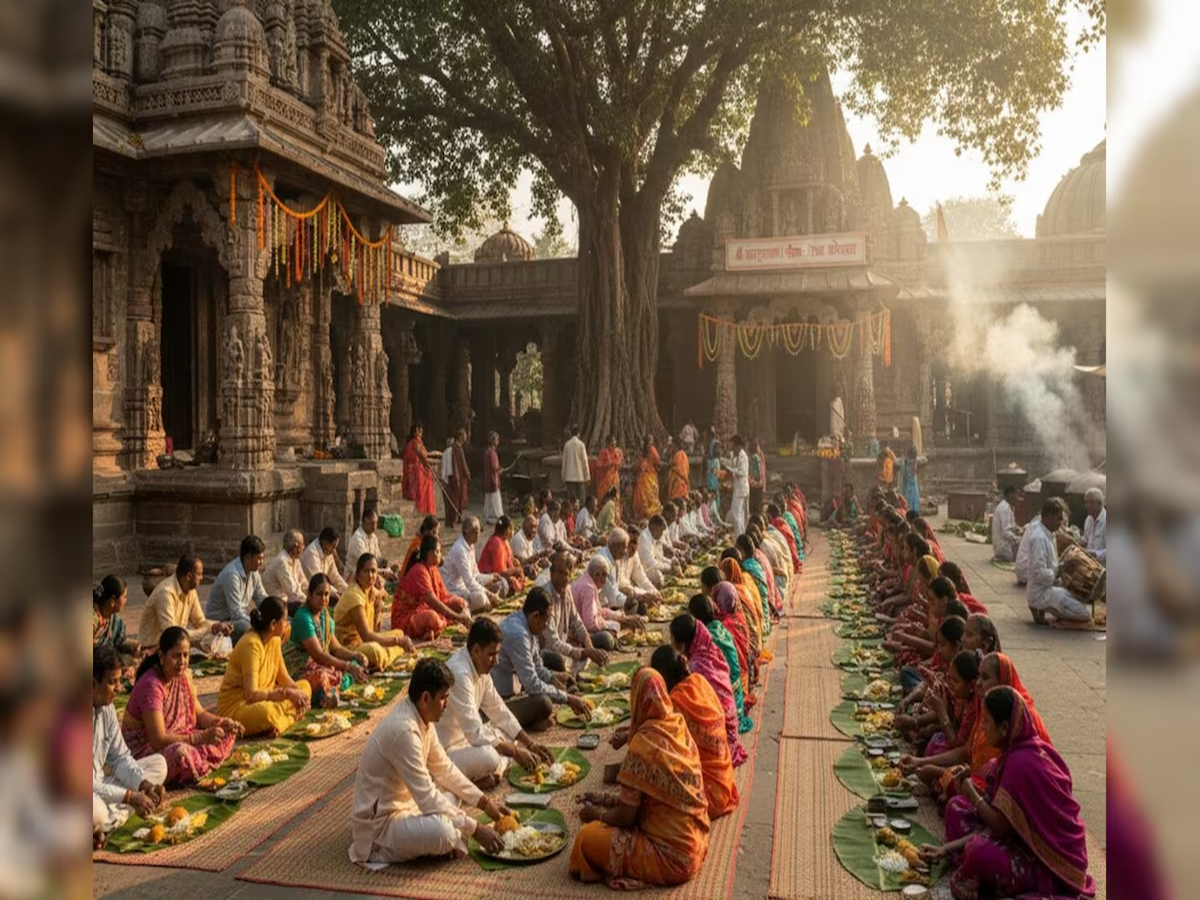
In Hinduism, the *bhandara* (a community feast) holds special significance. Organizing or contributing to a *bhandara*—whether at a temple, during a religious event, or on a special festival—is considered an act of great merit (*punya*). It is believed that donating food (*annadaan*) and serving those in need brings spiritual contentment to an individual and fosters a sense of cooperation and brotherhood within society. If you wish to contribute to a *bhandara* held at a temple, donating the following items is considered particularly beneficial:
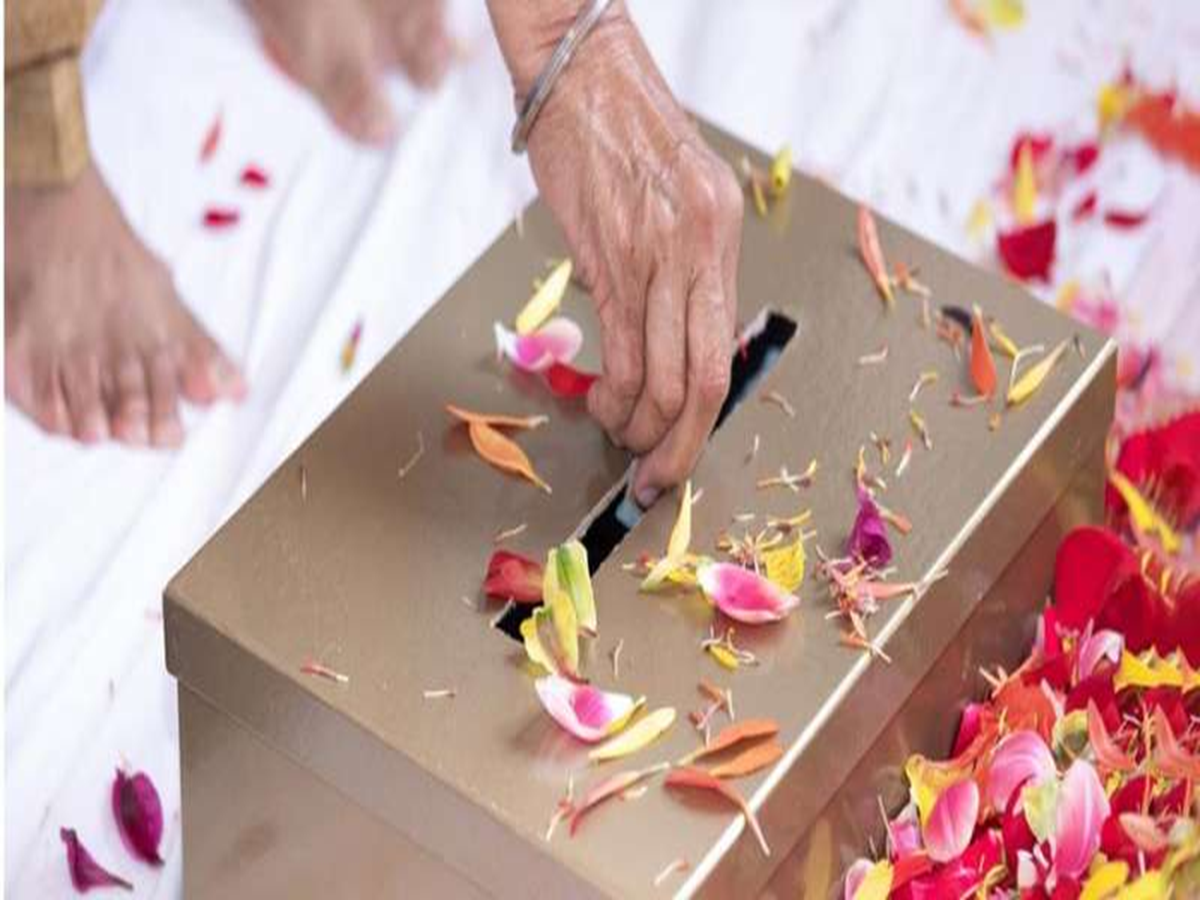
1. Grains
A *bhandara* primarily requires wheat, rice, lentils, and other grains. Donating grains falls under the category of *annadaan* (the gift of food), which is regarded in the scriptures as the supreme form of charity. It helps feed many people and ensures the event runs smoothly.
2. Vegetables and Fruits
Fresh vegetables and fruits make the *bhandara* meal nutritious and delicious. Items such as potatoes, tomatoes, bottle gourd, pumpkin, bananas, and apples can be donated, which enhances the quality of the *prasad* (sanctified food) and the overall meal.
3. Ghee, Oil, and Spices
Preparing a meal requires ghee, oil, salt, turmeric, coriander, chili, and various other spices. Donating these items significantly reduces kitchen expenses and makes organizing the *bhandara* much easier.
4. Milk and Dairy Products
Milk, *mawa* (solidified milk/khoya), and sugar are essential for preparing dishes like *kheer* (rice pudding), *halwa*, and other forms of *prasad*. Consequently, donating these items is considered highly valuable. According to religious beliefs, dairy-based offerings are symbols of *sattvikta* (purity and goodness).
5. Disposable or Steel Utensils
Since a large number of people are served during a *bhandara*, donating items like plates, bowls, glasses, or other tableware is a meaningful contribution. Keeping environmental impact in mind, steel utensils are considered a more practical and sustainable choice.
6. Provision of Drinking Water
During a *bhandara* (community feast) in hot weather, there is a special need for drinking water. Assisting by providing water containers, earthen pots, water coolers, or bottled water is also considered an act of great merit (*punya*).

What is its significance?
Donating to a *bhandara* is not merely a contribution of material goods; it is a symbol of the spirit of service and altruism. It brings people from all walks of life together to share a meal, thereby fostering a message of equality and harmony. Furthermore, providing food to those in need earns the merit (*punya*) associated with serving humanity. Therefore, contributing to a *bhandara*—according to one’s own devotion and capacity—is considered a highly commendable act.
PC Social Media