LIFESTYLE
From suran dishes to deepdaan, here is how Diwali is celebrated in Uttar Pradesh; see the procedure for Lakshmi Pujan..
When it comes to the festival of lights, every region has its own unique customs and ways of celebrating Diwali. While the festival is celebrated with great enthusiasm across the entire country, it takes on a truly special character in Uttar Pradesh. From the deep cleaning of homes that begins months in advance, to the unique tradition of *alaiya-balaiya*—a ritual performed on Diwali to ward off the 'evil eye'—the celebration here presents a distinct and vibrant picture.
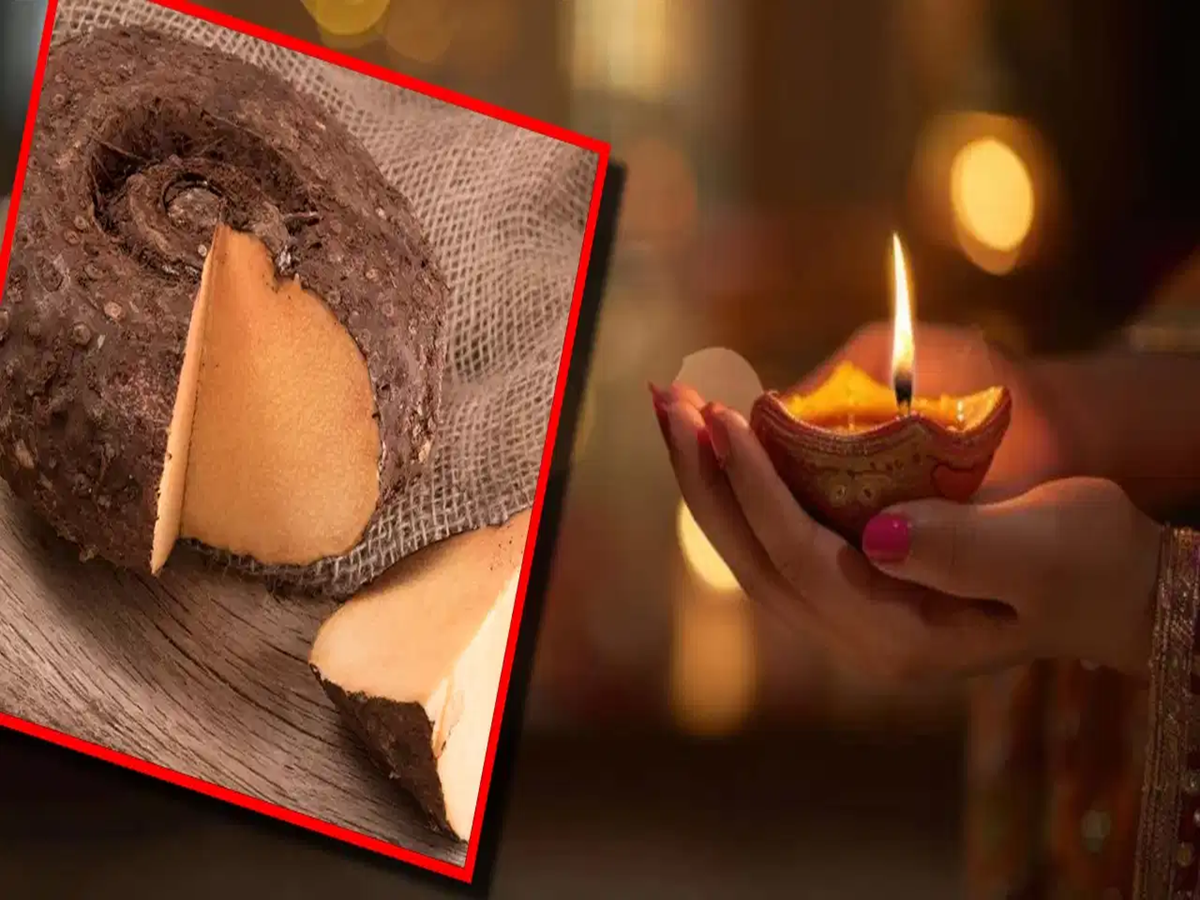
Furthermore, a Diwali celebration in this region feels incomplete without a dish made from *suran* (yam). Such are the unique traditions associated with Diwali here. Let us explore the special customs of this state, along with the rituals for worshipping Goddess Lakshmi and the essential items required for the *puja*.
**The Significance of Preparing *Suran* (Yam) on Diwali**
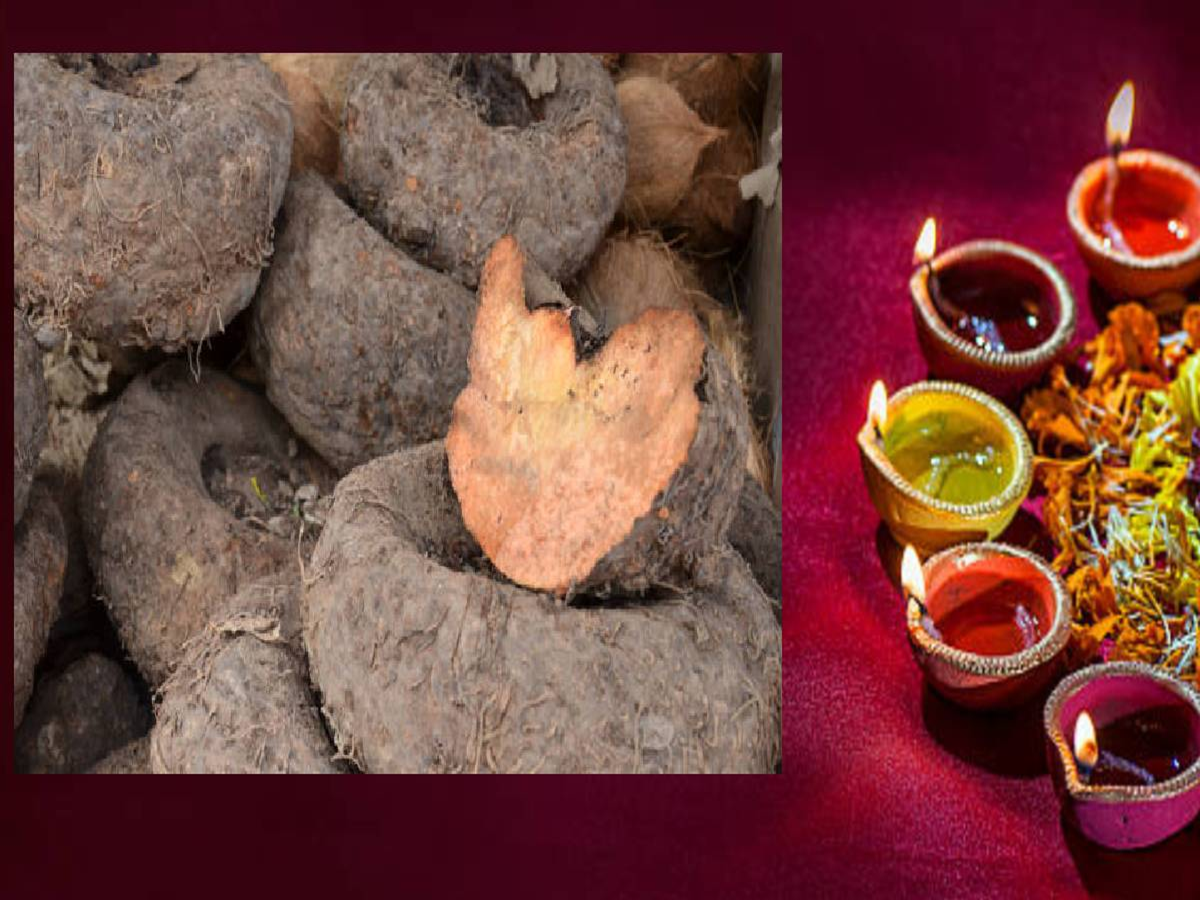
In Uttar Pradesh, as Diwali approaches, people begin searching for *suran*—also known as *jimikand* (yam)—in the markets. It is as if the celebration would be incomplete without it.
According to popular belief, since *suran* grows underground, preparing a dish from it on Diwali brings prosperity and well-being. Another notable characteristic is that even after being cut, it can regrow; for this reason, it is associated with growth and abundance.
**The Special Importance of Lighting Lamps (*Deepdan*) on Diwali**
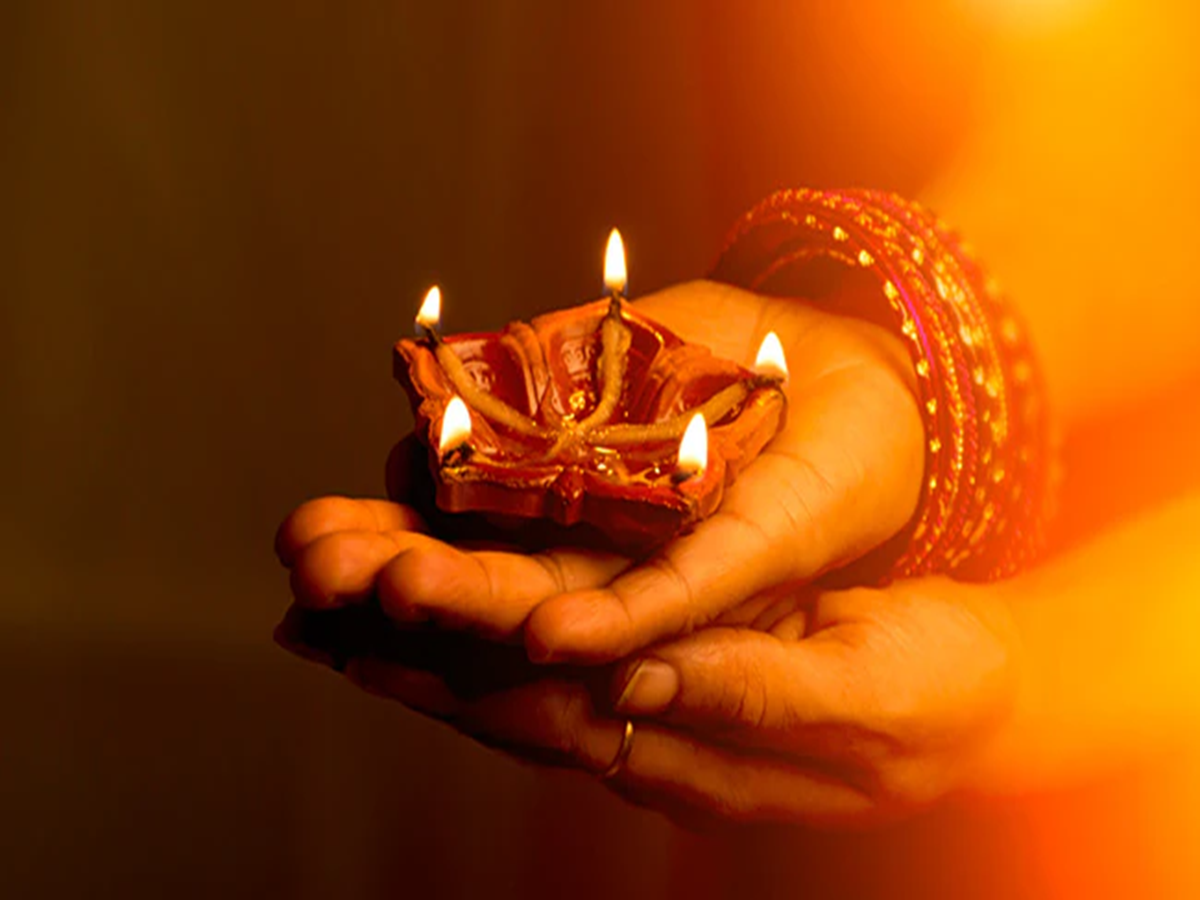
In Uttar Pradesh, on the evening of Diwali, earthen lamps (*diyas*) are lit at the main entrances of homes, in courtyards, near *tulsi* (holy basil) plants, and in temples. Additionally, during *godhuli bela* (twilight), seven lamps are lit in the courtyard or on the balcony, dedicated to the sacred river Ganga. In many places, lamps are also offered at temples, along riverbanks, and at other holy sites.
**Rituals for Worshipping Goddess Lakshmi on Diwali**
In Uttar Pradesh, on the evening of Diwali, Goddess Lakshmi and Lord Ganesha are worshipped together during an auspicious time (*shubh muhurat*). Let us look at the procedure for the worship (puja):
For the Diwali puja, begin by cleaning the designated worship area and spreading a red or yellow cloth over a small platform (chowki).
Place the idols of Goddess Lakshmi and Lord Ganesha on this platform. You may also include the idols of Lakshmi and Ganesha used in the previous year. Ensure that the idol of Goddess Lakshmi is placed to the right of Lord Ganesha.
Offer flowers and garlands to Lord Ganesha and Goddess Lakshmi. Specifically, offer a lotus flower and five betel leaves to Goddess Lakshmi.
Next, light incense and a lamp (diya). Begin by worshipping Lord Ganesha, followed by the worship of Goddess Lakshmi with deep devotion.
Chant the mantras dedicated to Lord Ganesha and Goddess Lakshmi, and conclude the ritual by performing an *aarti* together with your entire family.
Finally, pray for the happiness, prosperity, and well-being of your family. Offer *kheer* (rice pudding) to Goddess Lakshmi and *modaks* to Lord Ganesha as *bhog* (sacred food offering).
Essential items for the Lakshmi Puja:
For the Diwali puja, prepare a *puja thali* (worship tray) containing the following: idols of Goddess Lakshmi and Lord Ganesha, *roli* (vermilion powder), *akshat* (unbroken rice grains), turmeric, *kumkum*, *mauli* (sacred red thread), flowers, garlands, a lotus flower, betel leaves, betel nuts, cloves, cardamom, a coconut, mango leaves, *Gangajal* (holy water from the Ganges), incense, a lamp, *ghee*, cotton wicks, camphor, sweets, fruits, and *kheel-batashe* (puffed rice and sugar drops).
In this manner, the festival of Diwali is celebrated in Uttar Pradesh, characterized by deep religious faith, traditional culinary delights, and the lighting of lamps. By gathering the necessary *puja* items in advance and following the procedure described here, you can make the joy of the festival even more meaningful.
PC Social Media