LIFESTYLE
H1N1: Swine flu outbreak in Delhi-NCR; is there a vaccine to prevent it? Find out what the doctor advises..

The Delhi-NCR region is currently in the grip of H1N1, or swine flu. A large number of people are visiting hospitals with symptoms such as high fever, cough, cold, and respiratory issues. Many of them are testing positive for swine flu. Statistics indicate that the number of cases of this infectious disease is already more than six times higher than last year. Consequently, the steadily rising number of patients is a growing cause for concern among health experts. Over 2,300 cases of Influenza-A have been reported in Delhi this year; as of August 20, the figure stood at around 1,777.

Health experts continue to advise people to take preventive measures. The Delhi government has urged the public to maintain hygiene, avoid crowded places, cover their mouths and noses while coughing or sneezing, wash their hands with soap, and wear masks when necessary. Hospitals are equipped with adequate beds, doctors, medicines, and medical equipment. Special monitoring is being conducted across 35 hospitals, and the government is keeping a close watch on the situation.
The question now arises: is there a way to build a shield against the infection beforehand? Is there a vaccine available to protect against swine flu?
Swine Flu in Delhi-NCR
In a report published in *Amar Ujala*, we highlighted that the Indian Council of Medical Research (ICMR) has already clarified that no new strain is responsible for the surge in swine flu cases. This virus has been circulating in the country since 2025. Therefore, a rise in the number of cases does not necessarily mean the virus has suddenly become more dangerous.
Health experts state that if you contract swine flu, there is no need to panic; in most cases, the illness can be treated at home. However, severe flu infections can affect the lungs and, in some instances, lead to complications like pneumonia.
Such individuals should exercise special caution. Doctors state that H1N1 is a type of influenza virus; therefore, the flu vaccine—which protects against influenza—can be beneficial for you. High-risk groups, such as young children, the elderly, and individuals with pre-existing comorbidities, should get vaccinated upon a doctor's recommendation.
The World Health Organization (WHO) already recommends an annual flu vaccination for everyone aged six months and older. It can help protect you against various strains of the flu.
How does the flu vaccine help against H1N1?
The flu vaccine helps the body develop an immune response against the influenza virus. It helps reduce the risk of infection and, more importantly, lowers the risk of severe illness, complications, and hospitalization. According to the WHO, flu vaccination is the most effective measure for preventing influenza.
Flu viruses are constantly changing. Consequently, the vaccine's composition is periodically updated to ensure it builds immunity against the strains currently circulating. The ICMR has reported that the available vaccine is effective against the swine flu currently spreading.
Doctors note that vaccination does not guarantee complete immunity; one can still contract the flu after being vaccinated. However, vaccination helps reduce the severity of the illness and lowers the risk of death resulting from the infection.
Who should get the flu vaccine?
The World Health Organization recommends the flu vaccine for pregnant women, young children, the elderly, and individuals suffering from chronic diseases. People with pre-existing conditions—such as heart, lung, kidney, or liver diseases, as well as metabolic disorders—face a higher risk of flu complications; they are advised to get the annual vaccine upon a doctor's recommendation.
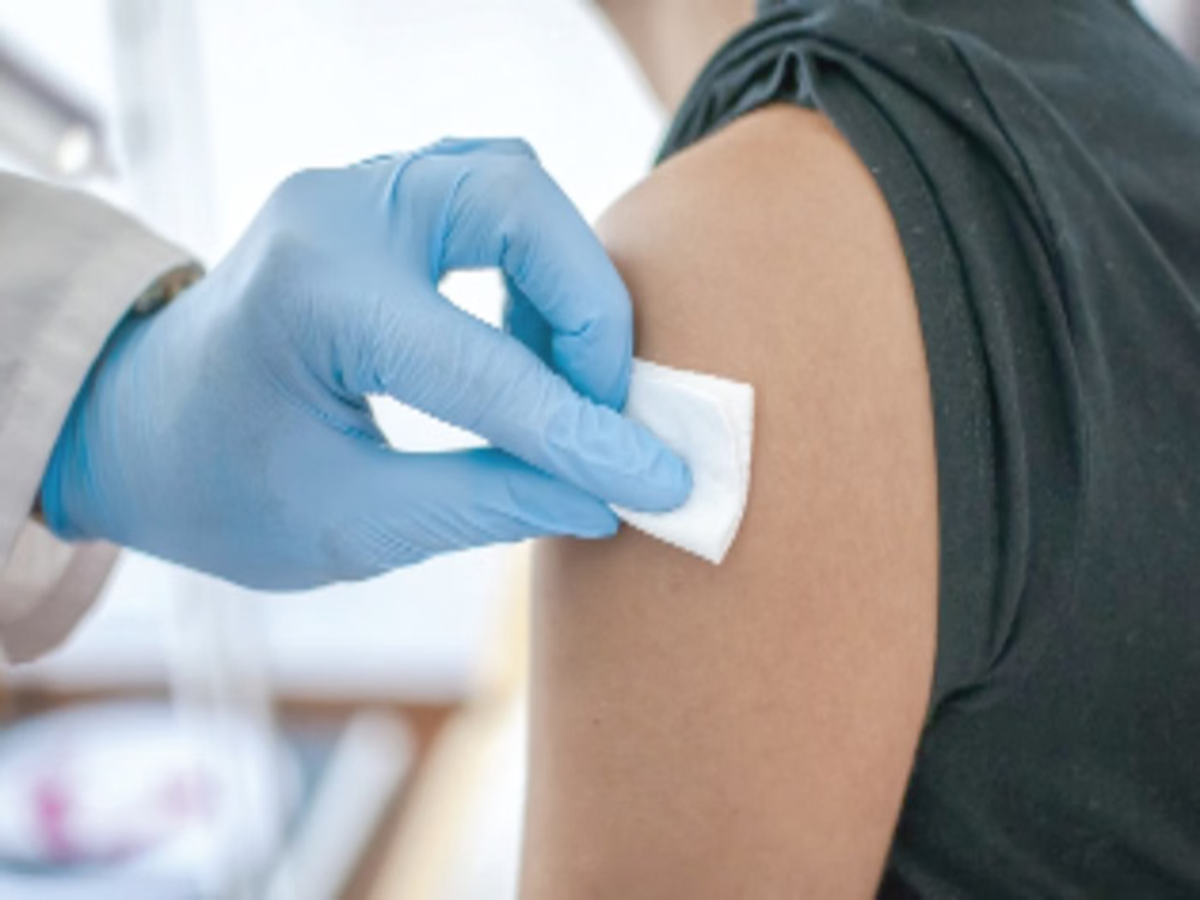
Additionally, the infection can be severe in individuals with weakened immune systems, making vaccination essential for them as well. Healthcare workers have also been placed in the priority group due to their constant contact with infected patients; such individuals must definitely get vaccinated.
PC Social Media